Stone Island badges, Adidas Sambas, and Fred Perry polo shirts—these items might not typically spring to mind as symbols of high fashion. However, as preparations ramp up for the FIFA World Cup 2026—which promises to showcase 48 national teams across the US, Canada, and Mexico—the realm of soccer is stepping boldly into luxury fashion. Major brands are keen to design stylish outfits for players both on and off the pitch.
A Historic Tournament
This upcoming tournament marks the first time the World Cup will be held across three countries, setting the stage for what is expected to be the largest sporting event in history. With projections indicating that six billion people will watch at least one match, it offers a remarkable opportunity for brands to engage with a global audience.
Fashion Partnerships
This week, Loewe unveiled a four-year collaboration with Spain’s national team, focusing on creating exclusive travel collections for both the men’s and women’s squads during major tournaments, including the World Cup. France has also joined the trend, collaborating with Jacquemus on custom matchday apparel, along with retro-inspired Nike Cryo Shot footwear.
In the United States, the legacy of Virgil Abloh has been revitalized through bespoke kits and sneakers for Team USA, alongside a partnership with Nike Cryoshot for fan apparel. Additionally, Italian menswear brand Boggi Milano has stepped in as FIFA’s official formalwear partner, launching its own collection aimed at fans.
The Cultural Shift
The connection between football and fashion did not arise in the luxury industry. Long before brands like Loewe and Jacquemus entered the scene, a distinct style emerged in British football culture during the late 1970s and 1980s, primarily among the ‘Casuals’ movement. This phenomenon saw young fans choosing designer labels over traditional scarves and replica jerseys.
Originating from working-class roots in cities like Liverpool and Manchester, these fans developed an obsession with high-end sportswear brands such as Lacoste and Fila. Cultural historian Bill Osgerby notes, “the emphasis was towards a style that was smart and expensive,” highlighting an enduring obsession with premium sportswear and esteemed designers.
Continued Evolution
Phil Thornton, author of the influential book Casuals, emphasizes that the culture surrounding football fashion has often been misinterpreted, yet remains one of Britain’s most significant style movements. He describes it as a “circle game,” wherein each new football season brings fresh styles and labels, driven by young fans eager to differentiate from the past and contemporaries.
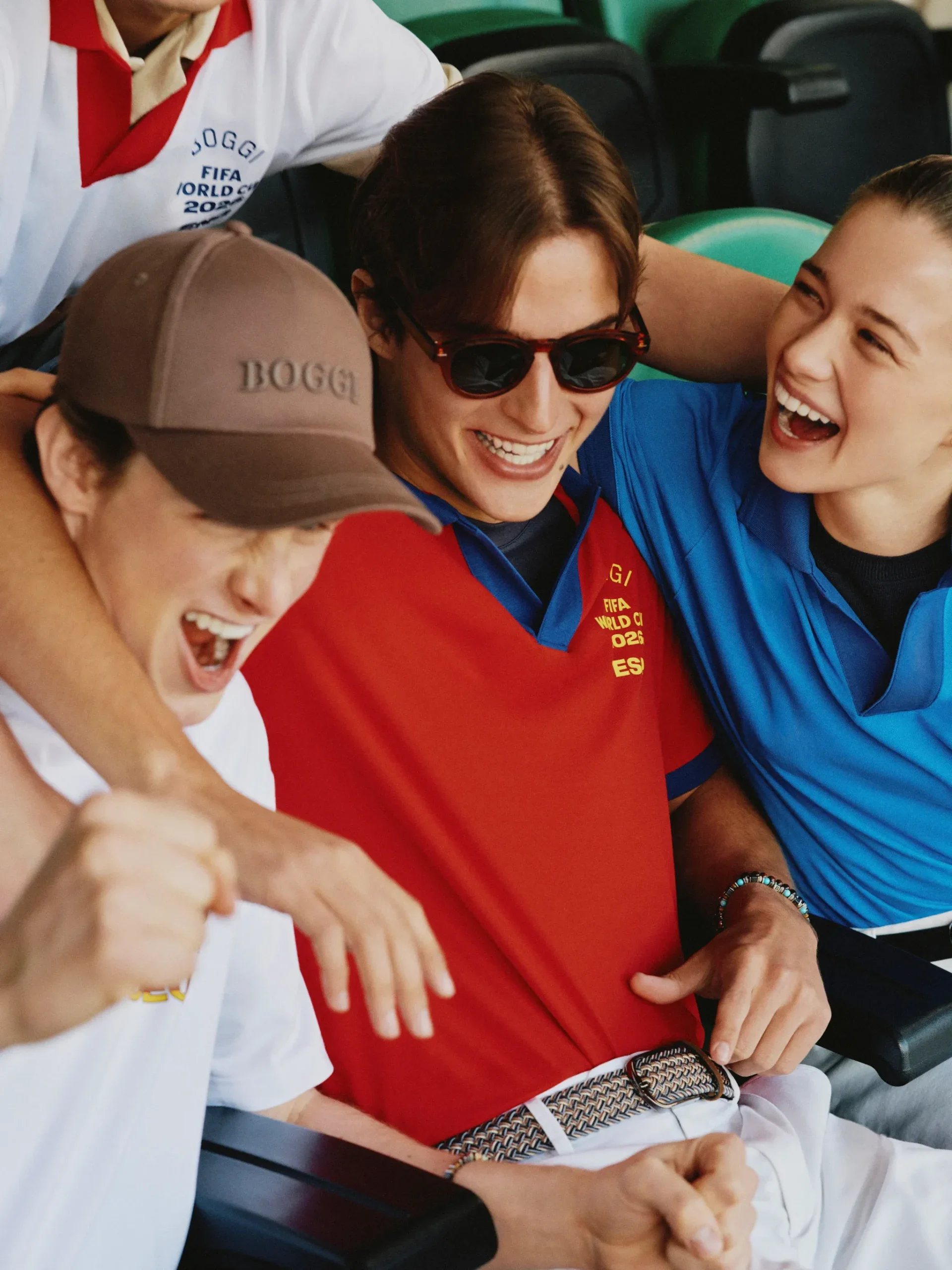
Experts agree that for fans, looking sharp is often as paramount as the game itself. Fashion has become a means of expressing status and identity, a trend that has only deepened over the past two decades since the publication of Casuals.
Soccer in Luxury Fashion
As we consider how soccer has transitioned from working-class subcultures to the heights of designer runways, it’s essential to recognize the significant impact of sportswear on contemporary fashion. The 2010s saw labels like Balenciaga and Off-White lead this movement, paving the way for a heightened focus on luxury athleisure and sportswear collaborations.
Despite the dominance of athleisure in recent visual trends, reports indicate that consumer interest in luxury partnerships with sportswear brands remains strong. GWI’s 2025 findings reveal that 32% of consumers are eager for more high-end collaborations.
The Rise of Player Influence
Additionally, the 2026 World Cup comes at a time when soccer culture is more prominent—and marketable—than ever. Social media has transformed athletes into global influencers, with players’ fashion choices garnering attention almost as much as their sporting skills. FIFA is adapting to this change, designating TikTok as their first “Preferred Platform” partner to provide exclusive access to the tournament.
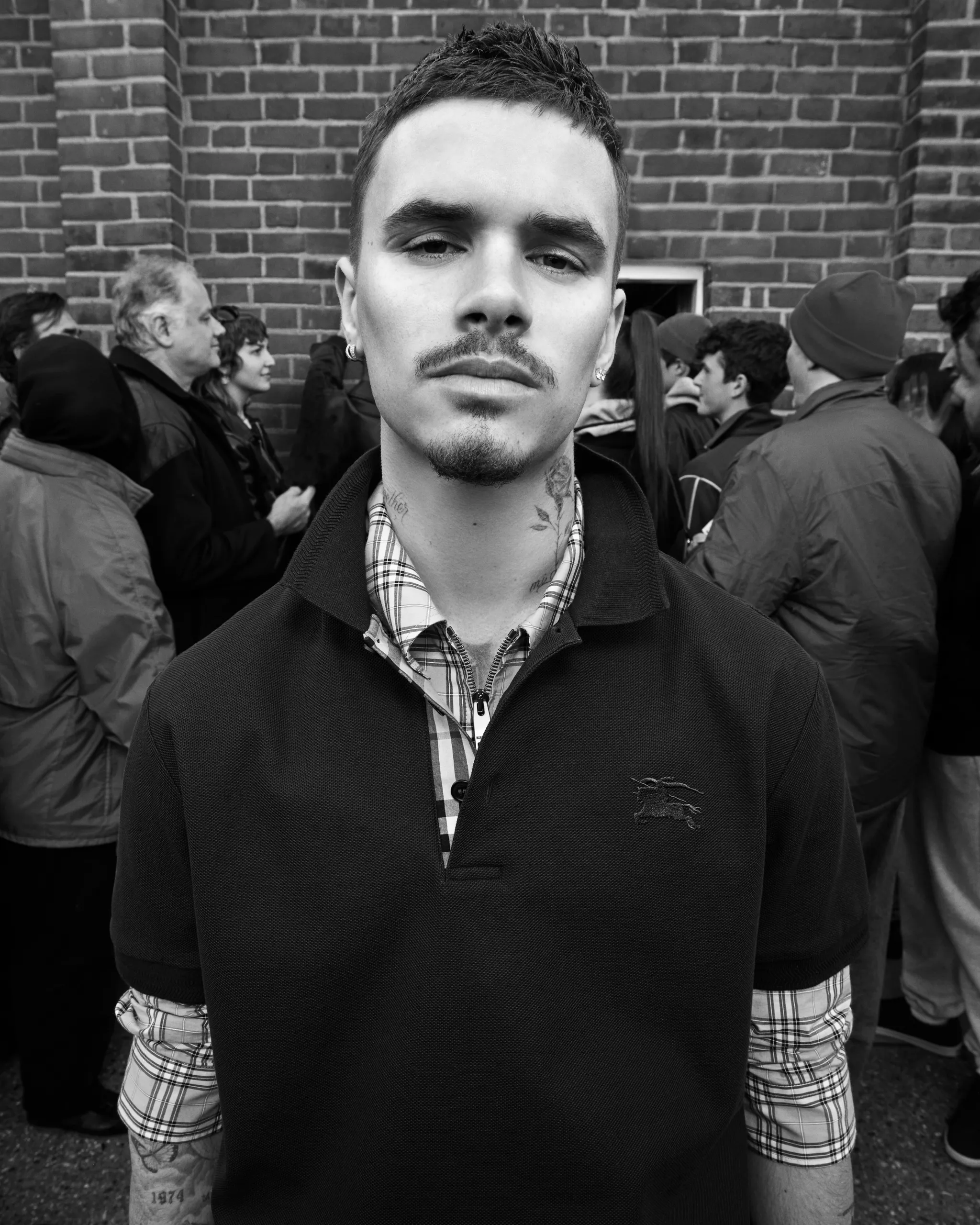
This convergence of luxury fashion and contemporary sports culture is exemplified by Burberry’s recent football-themed ‘A Good Sport’ campaign, headlined by Romeo Beckham and featuring stars like Eberechi Eze, Declan Rice, and Leah Williamson.
In essence, luxury fashion is making significant investments—both culturally and financially—to strengthen its ties with sports. Just last week, Gucci was announced as the title sponsor for Alpine’s Formula 1 team starting in 2027, and LVMH has entered into a landmark partnership with F1, allowing brands like Louis Vuitton and TAG Heuer to integrate fully into the sport. In this evolving landscape, the 2026 World Cup is poised to become a pivotal moment for soccer’s journey into the realm of luxury fashion.