The true influence in fashion isn’t merely about creating memorable catwalk moments or viral trends. It’s about reshaping the narrative of contemporary dressing, a feat so profound that its impact often remains unnoticed.
Ralph Lauren: A Pioneer of Modern Style
From the inception of Polo in 1967 and the introduction of womenswear in 1972, Ralph Lauren has been instrumental in developing a discourse around the modern wardrobe. His vision intricately blends irreverence with aspiration, making it commonplace to unite styles that once seemed incongruous. In Lauren’s universe, pairing a tuxedo jacket with jeans symbolizes the fusion of diverse interpretations of the American dream—an intersection where Jay Gatsby meets John Wayne. Such combinations were revolutionary prior to Lauren’s arrival on the scene.
He artfully wove together various narratives associated with the American dream, drawing inspiration from icons such as Sitting Bull, Amelia Earhart, Katharine Hepburn, and Joe DiMaggio.
The Art of Code Switching
At the core of contemporary fashion lies the concept of code switching, and Ralph Lauren is regarded as its pioneering force. His recently released volume, Ralph Lauren: Catwalk Collection, provides a meticulous overview of more than 100 women’s runway shows filled with over 1,000 images. Modern individuals yearn for multifaceted identities, longing to blend polished with casual, preppy with edgy—all while maintaining individualism.
From the outset, Lauren, working actively at 86, has crafted not just clothing, but an immersive experience that parallels cinematic storytelling. Much like a film director, he weaves narratives inspired by his upbringing as Ralph Lifshitz, the child of Jewish immigrants in the Bronx, crafting a vision that resonates globally.
The visuals from his inaugural collection, Fall/Winter 72/73, reveal designs that remain relevant today, such as the avant-garde tuxedo dress and chic tweed suits echoing British aristocracy. This fusion of diverse influences defines Lauren’s unique dream within the American ethos.
A Redefinition of Fashion Norms
Lauren’s initial catwalk debut ingeniously feminized masculine attire, captivating audiences and critics alike. The New Yorker dubbed it “a phenomenon to bewilder anthropologists,” showcasing the designer’s keen eye for human identity and aspiration. Lauren’s profound understanding of how individuals express themselves through clothing—both authentic and aspirational—further solidifies his legacy.
Interestingly, despite not visiting Europe or Africa during his formative years, Lauren found inspiration in diverse cultural aesthetics, creating styles like safari chic. His outsider perspective uniquely equipped him to appeal to both insiders and those seeking connection with that world. Reflecting on his journey, he articulated, “If I had been born to it, I might not have had the same dream.”
Vision and Timeless Style
In a revealing statement, Lauren confessed, “I don’t like fashion. It’s very changeable… I like style. Style is who you are.” His dedication to creating timeless garments—shaped by personal sensibilities—resonates deeply in his fashion philosophies. Without formal fashion training, he cultivated a dream that transcends fleeting trends.
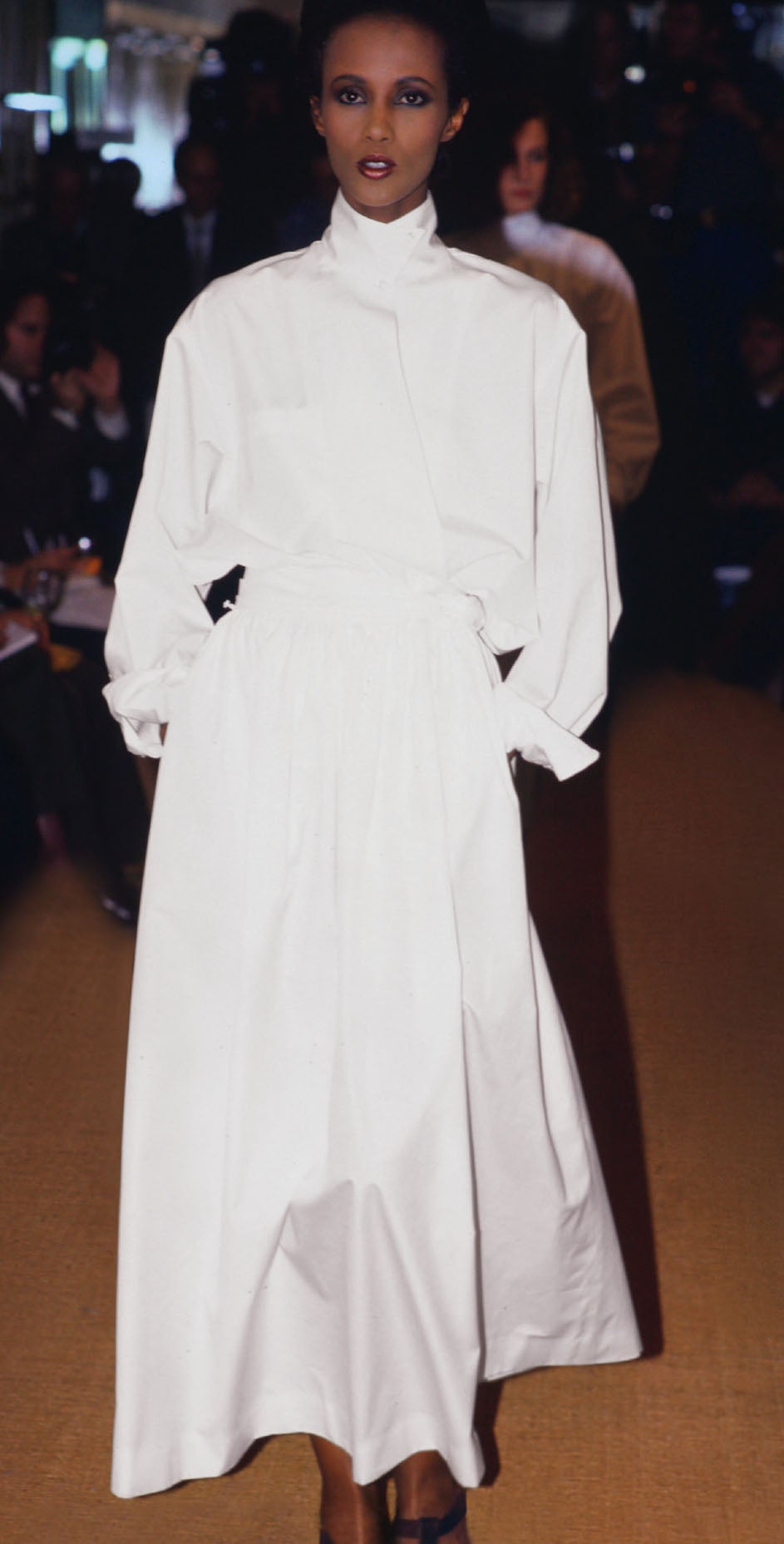
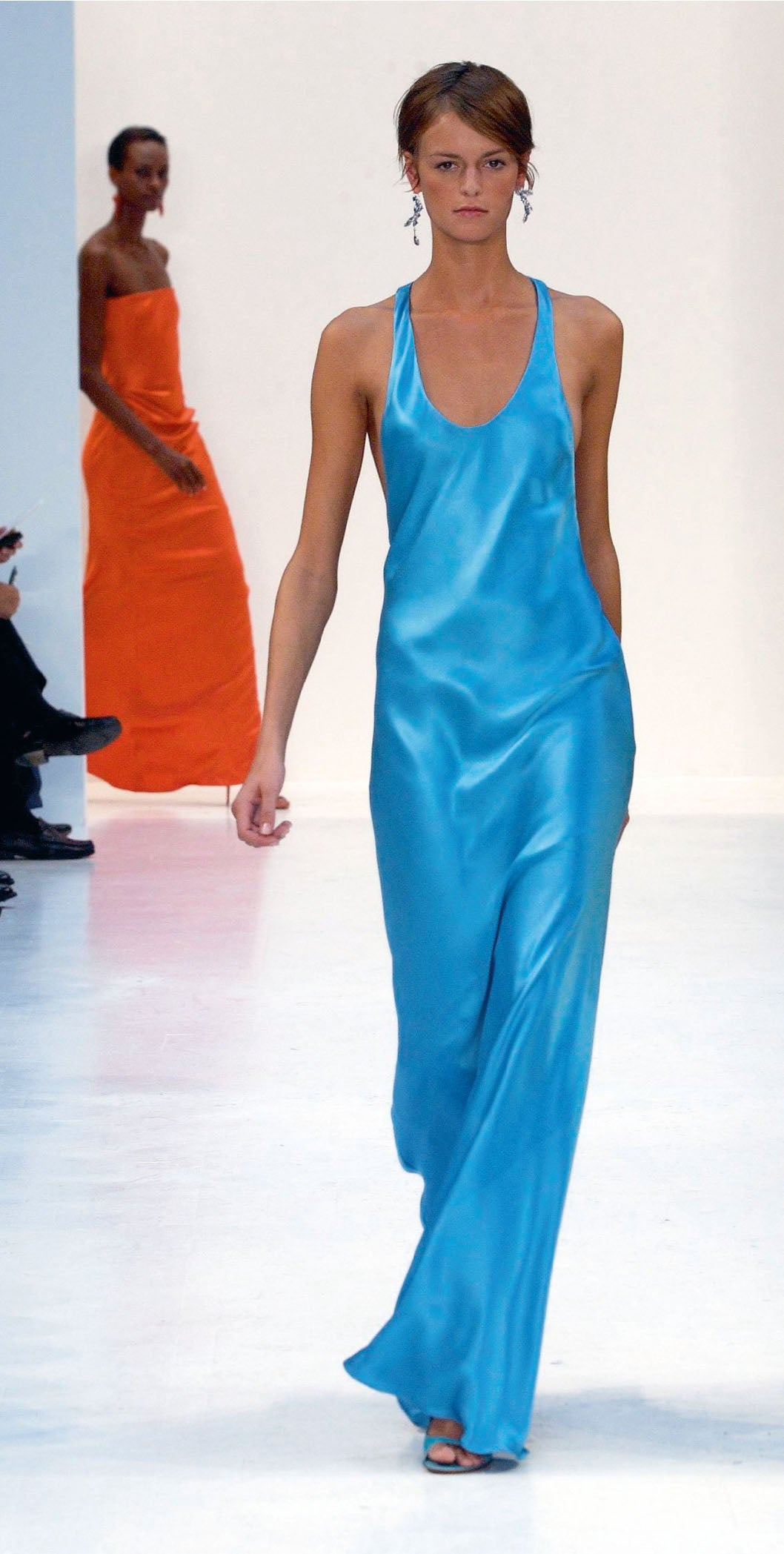
Flipping through the pages of his extensive catalog—631 in total—reveals a treasure trove of enduring designs that seamlessly blend with contemporary aesthetics. From the quintessential white shirt dress of Spring-Summer 1985, to sharp monochrome tailoring inspired by Hollywood from Fall/Winter 1995-96, and vibrant, whimsical frocks from Spring-Summer 2004, the elegance continues.
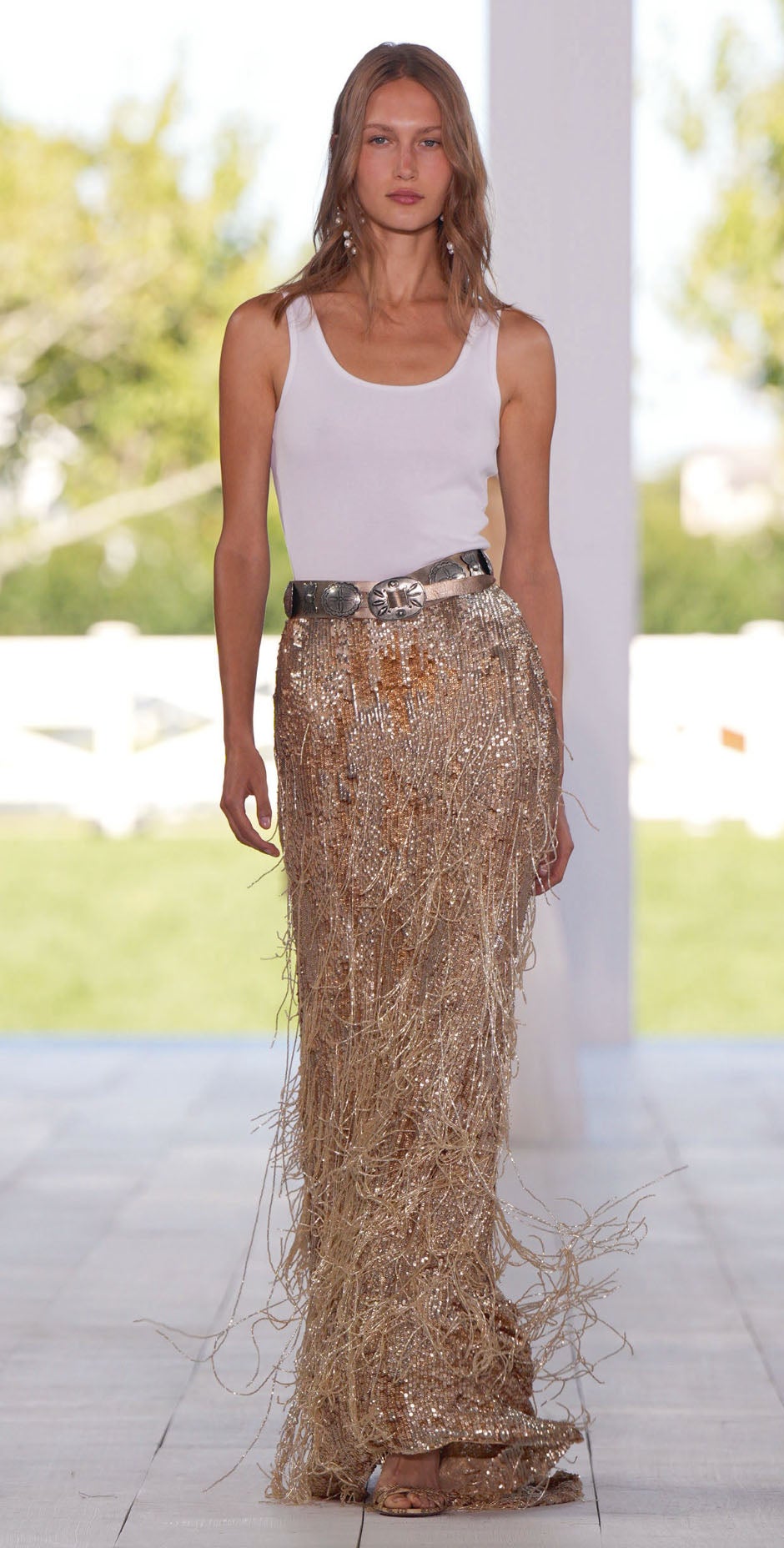
Even now, he remains at the forefront of fashion innovation, exemplified by this season’s eclectic styles, like a classic white vest elegantly paired with an elaborate beaded skirt or a vibrant, multi-colored interpretation of prep. The upcoming season promises even more artistic surprises, featuring unique pairings such as a sophisticated jabot collar paired with a casual bomber jacket, and a creamy satin gown accentuated with a bold belt.
As Lauren expressed, “I had the vision. I had the girl. I had the guy. I knew what they looked like.” In essence, we now embody those characters, fully aware of our appearances, capturing the world’s attention with an unmistakable presence.