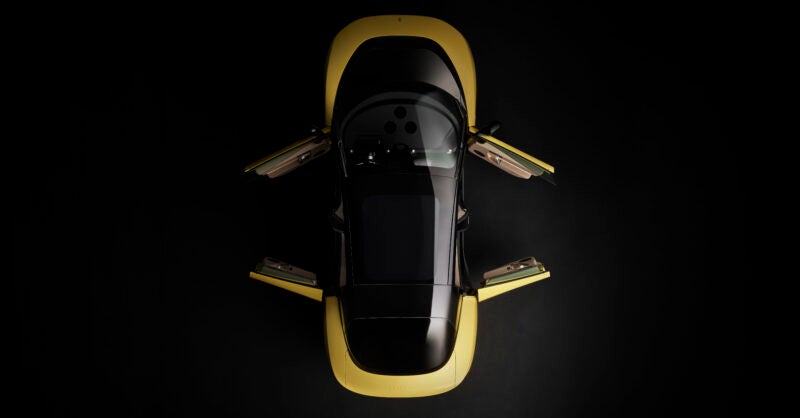
The arrival of Ferrari’s Luce is provoking a varied response, highlighting the complexities of transitioning luxury performance vehicles to electric. Criticism has primarily focused on its design, emotional resonance, and brand legacy. Many aficionados argue that the Luce’s sleek, minimalist look—echoing Jony Ive’s influence—strays too far from Ferrari’s iconic styling. Doubts linger over whether an electric variant can evoke the visceral excitement historically associated with the brand.
However, concentrating solely on aesthetics overshadows the larger narrative at play. The mixed reactions to the Luce reveal the broader dilemma luxury performance brands face as they adapt to electric technologies.
In the wake of the Luce’s unveiling, Lamborghini’s CEO, Stephan Winkelmann, justified his brand’s decision to delay its EV plans in favor of plug-in hybrids, asserting that this path is more appropriate given current consumer readiness. While Ferrari charges ahead with its electric vision, Lamborghini articulates a contrasting perspective on customer expectations.
Lawrence Ulrich, a car journalist, suggests that much of the criticism is misplaced. He notes that while the Luce presents an intriguing design, it diverges from the expected allure of a Ferrari. His assertion that Ferraris should embody sensuality underscores a sentiment shared by many enthusiasts who harbor nostalgic affection for traditional designs.
As Ulrich further explains, automotive fans often grapple with a conflict between longing for innovation and a yearning for the familiar. Many desire cutting-edge developments in technology but resist changes that may alter the romanticized features of high-performance machines—the gasoline engines and styles of their formative years.
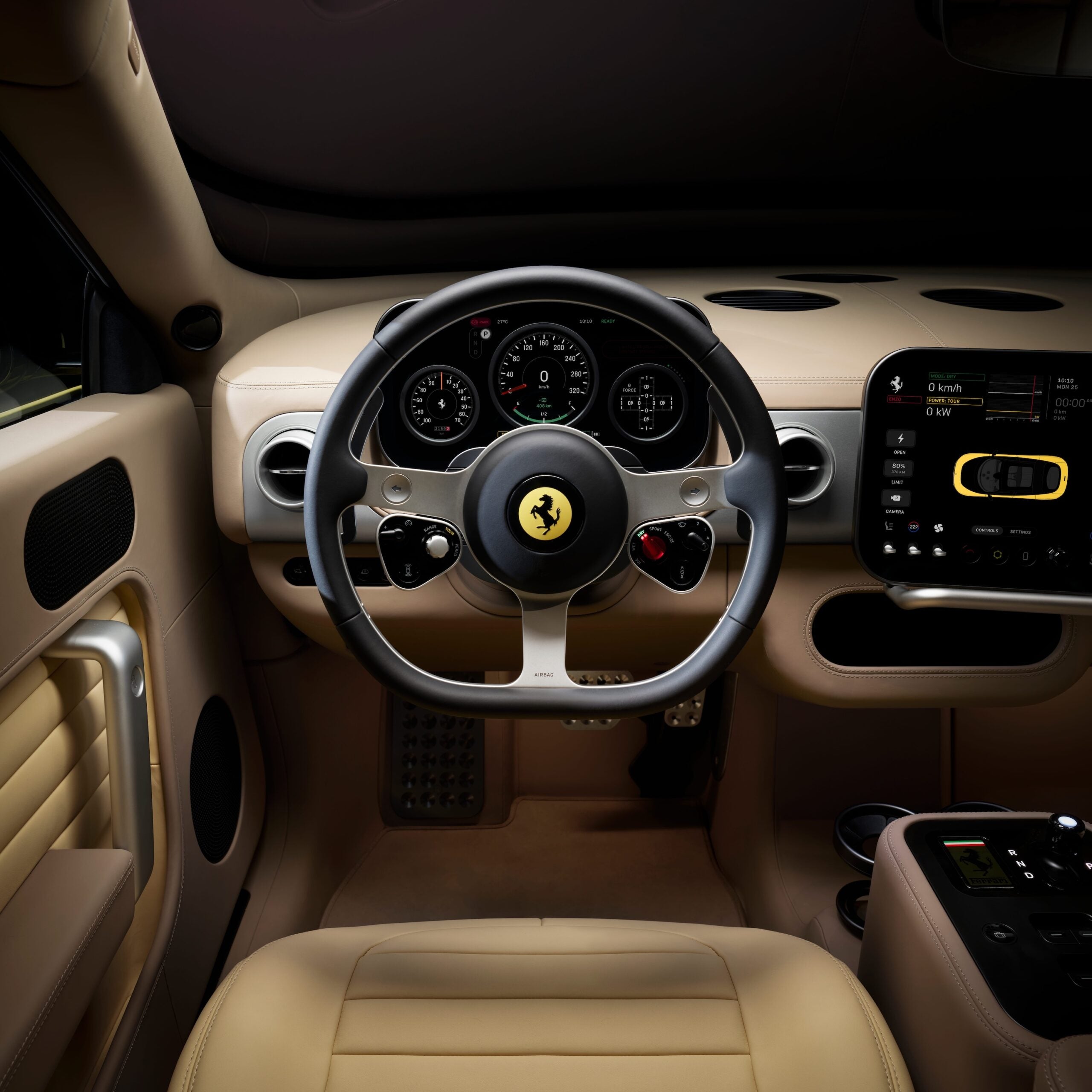
The Luce encapsulates a pivotal challenge within the luxury automotive sector. The emotional connections that underpin the allure of performance vehicles often hinge on their combustion engines. Transitioning to electric power creates a void that manufacturers must fill, leading to uncertainty about how to maintain that connection.
Moreover, Ulrich distinguishes the Luce from traditional supercars, describing it as a liftback sedan, which complicates its positioning within the market. Electric models still struggle with weight and battery placement, presenting obstacles to agile performance and efficient range that hinder manufacturers aiming to replicate the sports car experience.
This difficulty in producing captivating electric sports cars helps illuminate why established brands have grappled with creating successful alternatives. Only one truly electric sports car has made waves since the Tesla Roadster—the Rimac Nevera. Porsche, synonymous with performance, has yet to realize its ambitions of electric Boxster and Cayman variants due to these persistent technical challenges.
Despite this, the Luce demonstrates Ferrari’s capability to create a powerful electric vehicle, boasting over 1,000 horsepower and acceleration that can compete with elite hypercars. The significant hurdle lies in persuading consumers that an electric Ferrari can evoke the same passion as its predecessors.
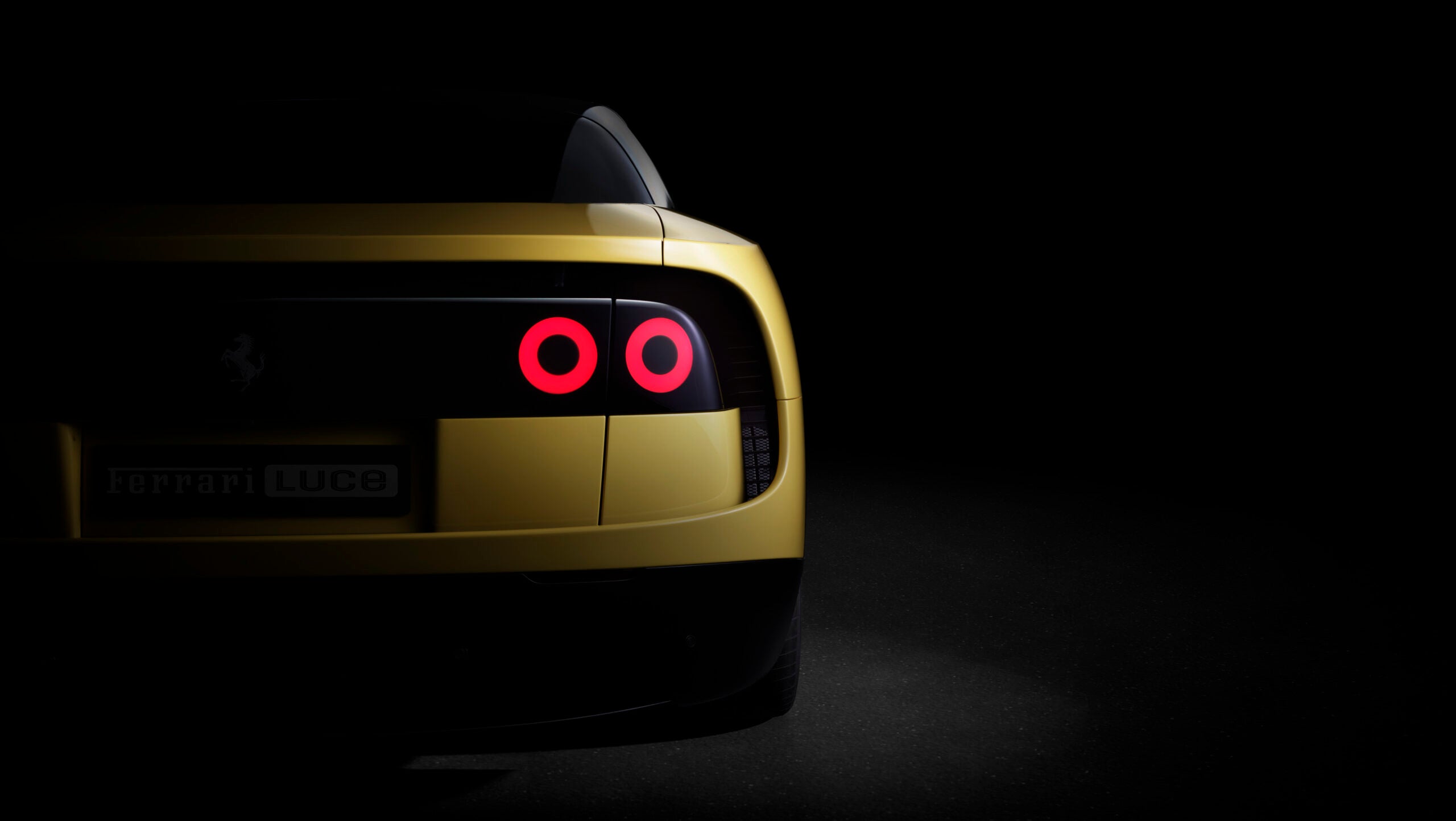
Viewed through this lens, Ferrari’s approach might be ahead of its time, pushing boundaries that consumers may not yet be prepared to accept. Ulrich reminds us that history often sees initial criticism transform into admiration, with groundbreaking designs earning their place as influential milestones.
The Luce serves as a critical case study, testing whether an established luxury brand’s electric model can resonate within a market that remains skeptical. Ultimately, success will hinge not solely on performance statistics but on the ability of manufacturers to convey that electric power can deliver the same allure as the legacy of combustion engines.
If the Luce struggles in the market, the reasons might not lie solely in its design but rather in the readiness of Ferrari’s traditional clientele to embrace a fully electric future. As other brands reassess their EV strategies, the landscape of luxury electric vehicles may evolve dramatically in the years to come.