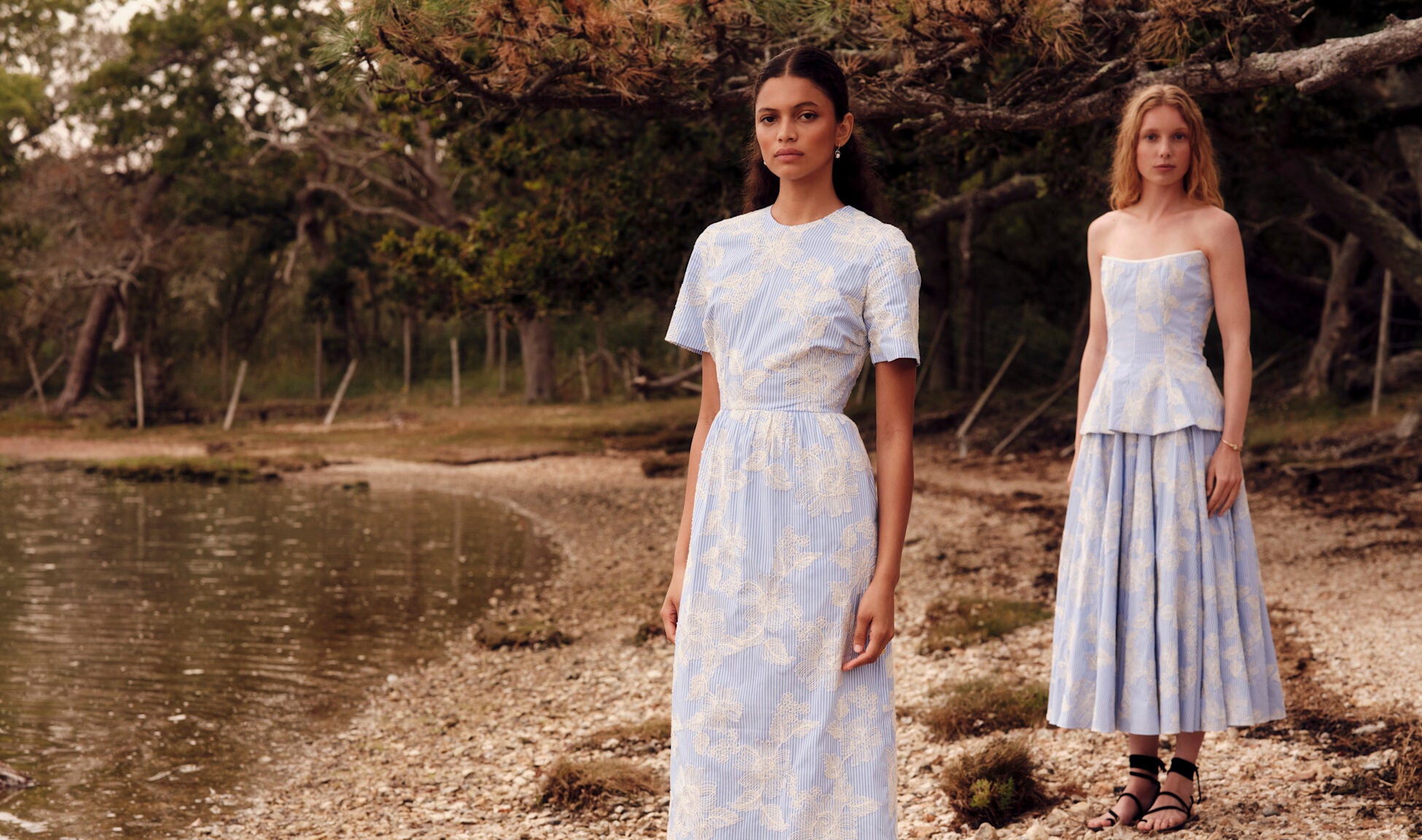
Cocktail hour, a pivotal element of formal gatherings, adheres to time-honored sartorial guidelines. The classic approach is fairly straightforward: men claim the spotlight in tailored suits complemented by polished footwear, while women grace the event in dresses that elegantly bridge the gap between daytime charm and the allure of evening wear.
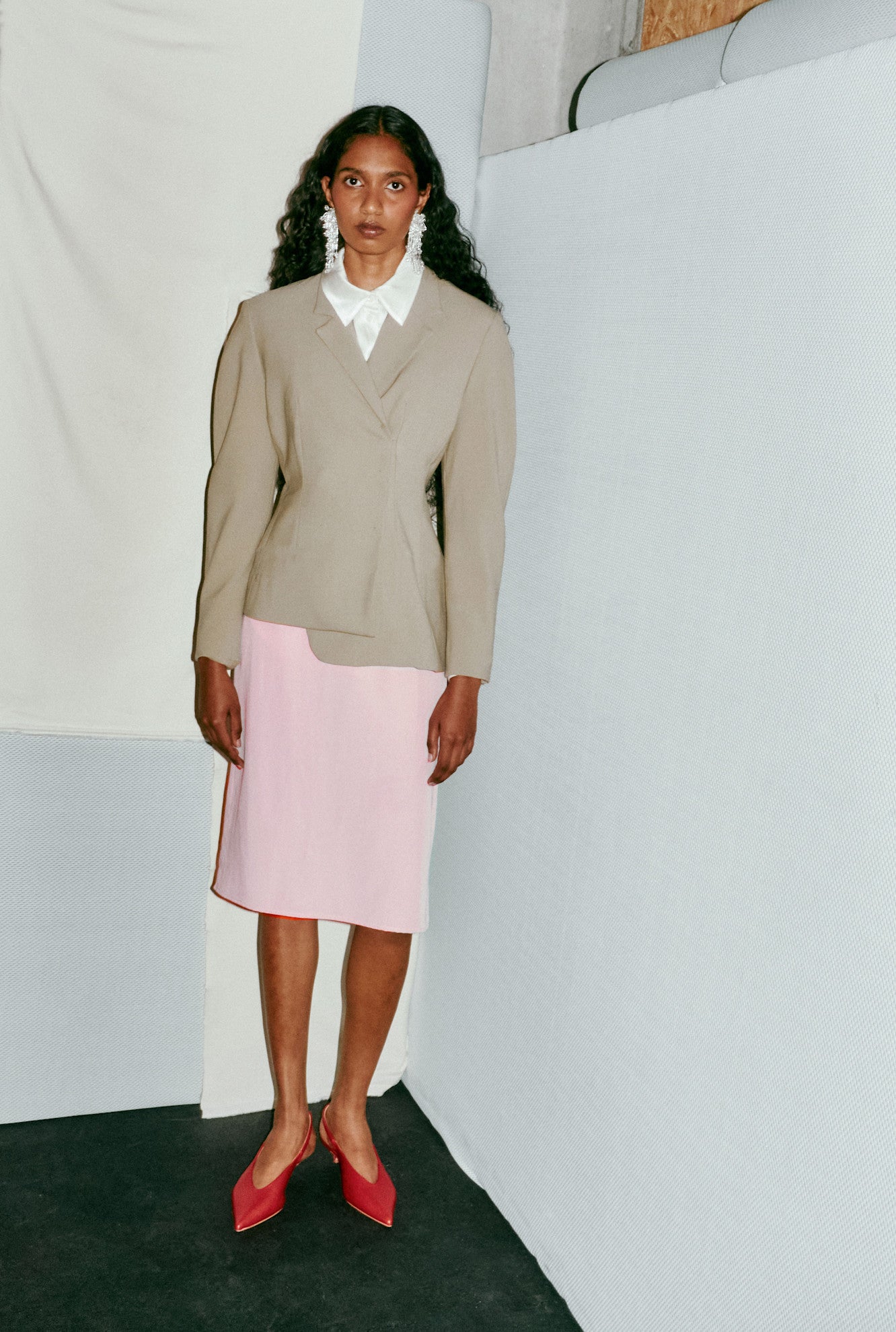
However, these norms appear to be gradually evolving—at least for women. Once characterized by the dominance of midi dresses and stilettos, cocktail functions are now just as likely to showcase impeccably tailored tuxedos, oversized blazers, and sharply cut trousers, all cleverly inspired by menswear aesthetics.
As womenswear embraces a more androgynous spirit, it’s only natural that occasion dressing would follow suit. Yet, does a precisely tailored suit carry the same weight as a traditional evening gown? Or have certain dress codes outlived their purpose? To explore this topic, we delve into contrasting views from professionals in the fashion world.
©Spotlight
The Case for Androgynous Dressing
Alice Temperley, fashion designer
I wholeheartedly champion the idea that androgynous fashion is entirely appropriate for cocktail attire.
The essence lies in precision tailoring and subtlety, steering clear of overt gender associations. A well-crafted suit—featuring softly structured shoulders, a gently tapered or wide leg, and either a contoured or subtly boxy waist—strikes a harmonious balance. Luxurious materials such as velvet, silk blends, satin lapels, or fluid wool firmly position this style within the realm of evening attire, without adhering strictly to traditional conventions.
Throughout my studies, I amassed a collection of suits and became enamored with their transformative power. One of my favorites is our velvet three-piece clove suit, available in various hues and consistently a best-seller. I would be perfectly content with a wardrobe primarily composed of suits, complemented by just a handful of dresses.
The notion of androgyny is fluid. A tie isn’t overly assertive; rather, it serves as a styling device that can refine the look when applied with purpose. An open collar, minimal accessories, or a slight heel can soften or shift the ensemble’s vibe.
Far from being a fleeting trend, this approach to dressing feels timeless, rooted in individuality and understated confidence—often projecting a more contemporary and self-assured image than traditional cocktail wear.
The Case Against Androgynous Dressing
Serena Crawley, fashion stylist
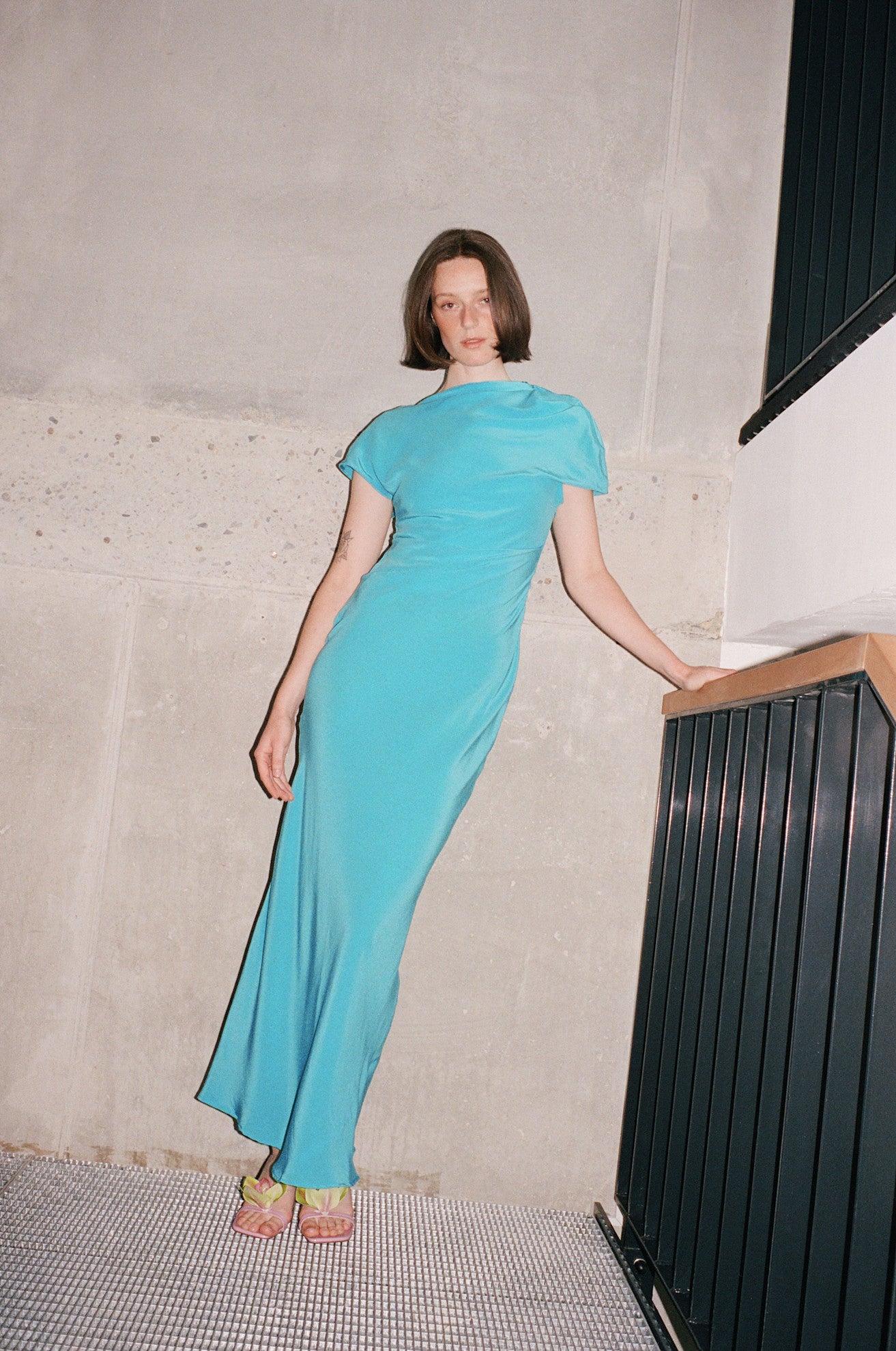
While the androgynous aesthetic seamlessly transitions from day to night or from office to party, the cocktail dress embodies something unique. This dress code essentially invites you to elevate your style for a festive occasion, devoid of the rigors associated with formal evening wear. This liberating aspect is one of the most appealing features of cocktail attire!
You could opt for a maximalist approach: think vibrant lace, organza, silk, satin, and sequins. The array of textures synonymous with celebrations can be found in pieces from Staud, Cecilie Bahnsen, or Dries Van Noten.
Alternatively, adopt a minimalist stance by drawing inspiration from the iconic ’90s satin slip dress, which is exceptionally trendy right now.