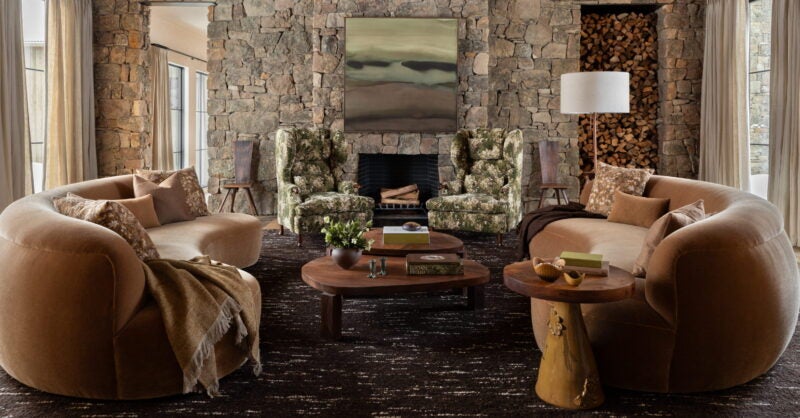
As the allure of Yellowstone and its expanding narrative captivates audiences, the Western aesthetic maintains its appeal. Films like Marshalls and Dutton Ranch romanticize life on the American frontier, influencing interiors from Jackson Hole to the Smoky Mountains. Today’s cowboy chic has evolved, favoring understated elegance over extravagant embellishments. It emphasizes an intricate blend of aged leather, weathered wood, and textiles in muted, earthy tones.
Contemporary Western design shuns kitsch, focusing instead on craftsmanship that honors the landscape and labor that shaped it. Tom Cox from HÁM Interiors noted the cultural appreciation for functional artistry rooted in authenticity and a connection to nature. For him, rugged Americana transcends nostalgia, embodying values like quality and integrity.
Sierra Fox of Studio Mountain, a premier design firm operating from California to Montana, emphasizes a material-focused approach. She believes in prioritizing the essence of materials over overt thematic elements. “Reclaimed woods, hewn stone, blackened steel, leather, shearling, and handmade textiles evoke a sense of belonging to the natural landscape,” Fox explains.
Fox advocates for an architectural integration of these elements. “Using materials in structural applications can impart a sense of timelessness,” she observes. Such attention to detail cultivates spaces filled with texture and warmth, as seen in her High Meadows project nestled in Idaho’s Sun Valley, where designs feature rough-hewn surfaces and matte finishes. An underlying industrial aesthetic connects to the rich history of the American West, resonating with its ranching and mining roots.
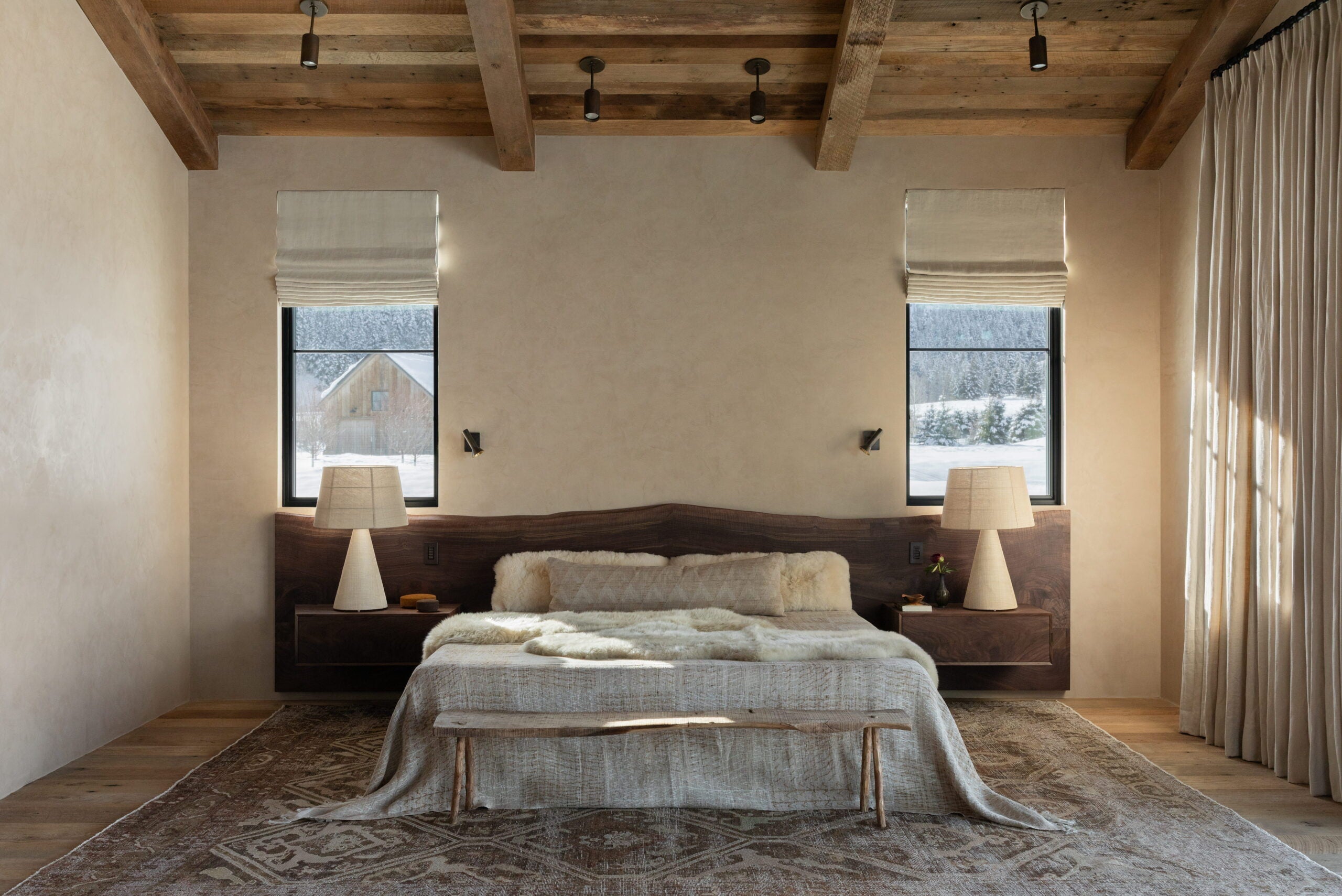
©Studio Mountain / Aimee Mazzenga
At Cataloochee Ranch, Samantha Feuer of Norris Studio employs a similar philosophy. She emphasizes authentic design over superficial Western tropes. The use of rough-sawn wood introduces texture, while minimalist silhouettes achieve a harmonious balance. The incorporation of vintage and contemporary furnishings ensures spaces feel genuinely curated, rather than overtly themed.
The essence of modern Western interiors lies in restraint. This concept finds expression at Caldera House, where Commune Design consciously avoided rustic clichés, including the absence of antlers. The influence of Western design manifests in details like nailheads and subtle plaid patterns. The carefully chosen color palette draws inspiration from the natural hues of Jackson Hole’s landscape, fostering a deep, interwoven connection between interior spaces and their surroundings.
Designer Lauren Carlucci, working between New York and Wyoming, echoes this nuanced approach. She focuses on the qualities inherent in Western design without relying on typical motifs. The materials—a sense of rugged refinement and authenticity—connect to her experiences in Wyoming, revealing the profound influence of expansive skies and weathered landscapes.
Cowboy Chic Inspired Interiors
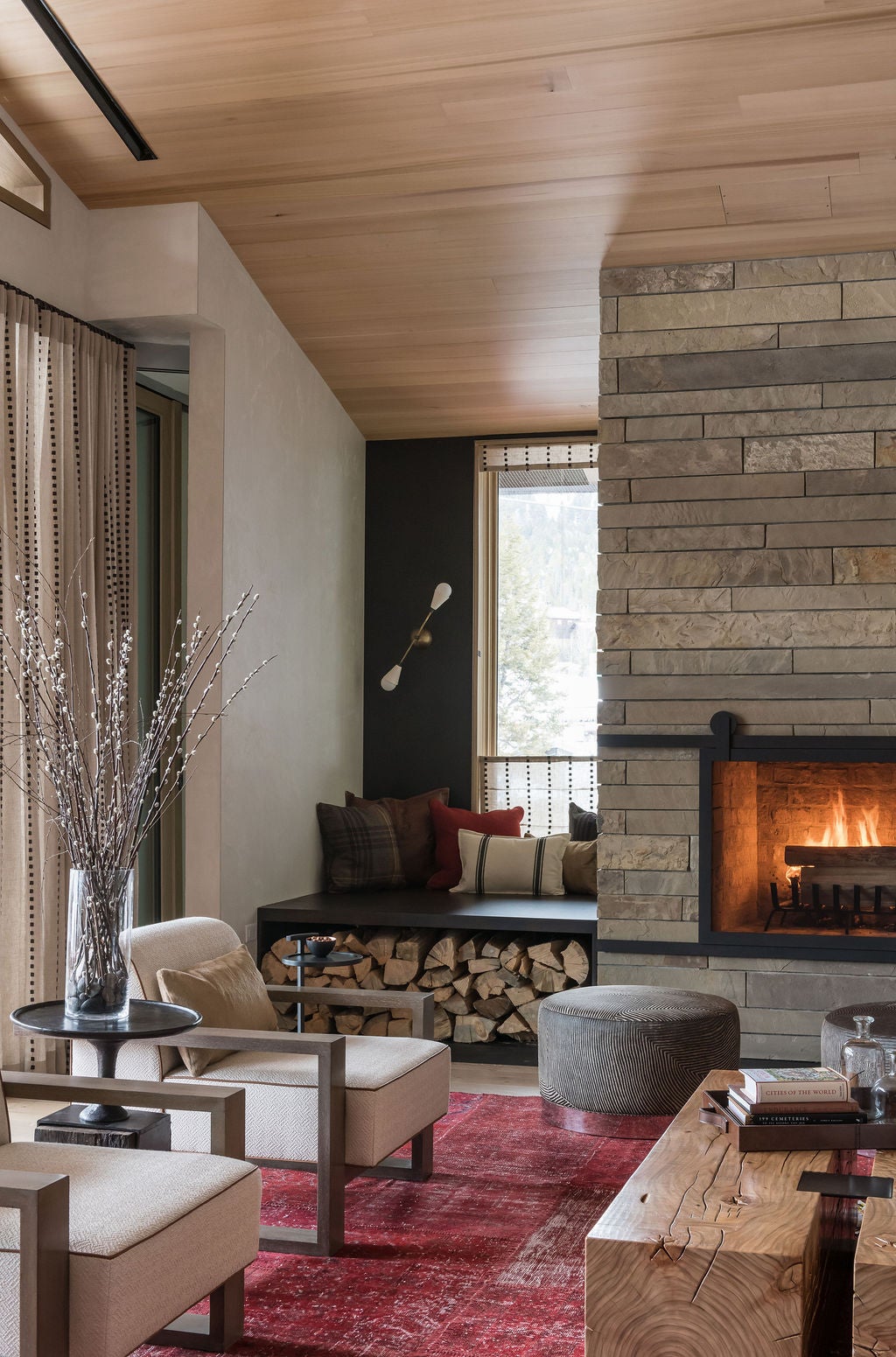
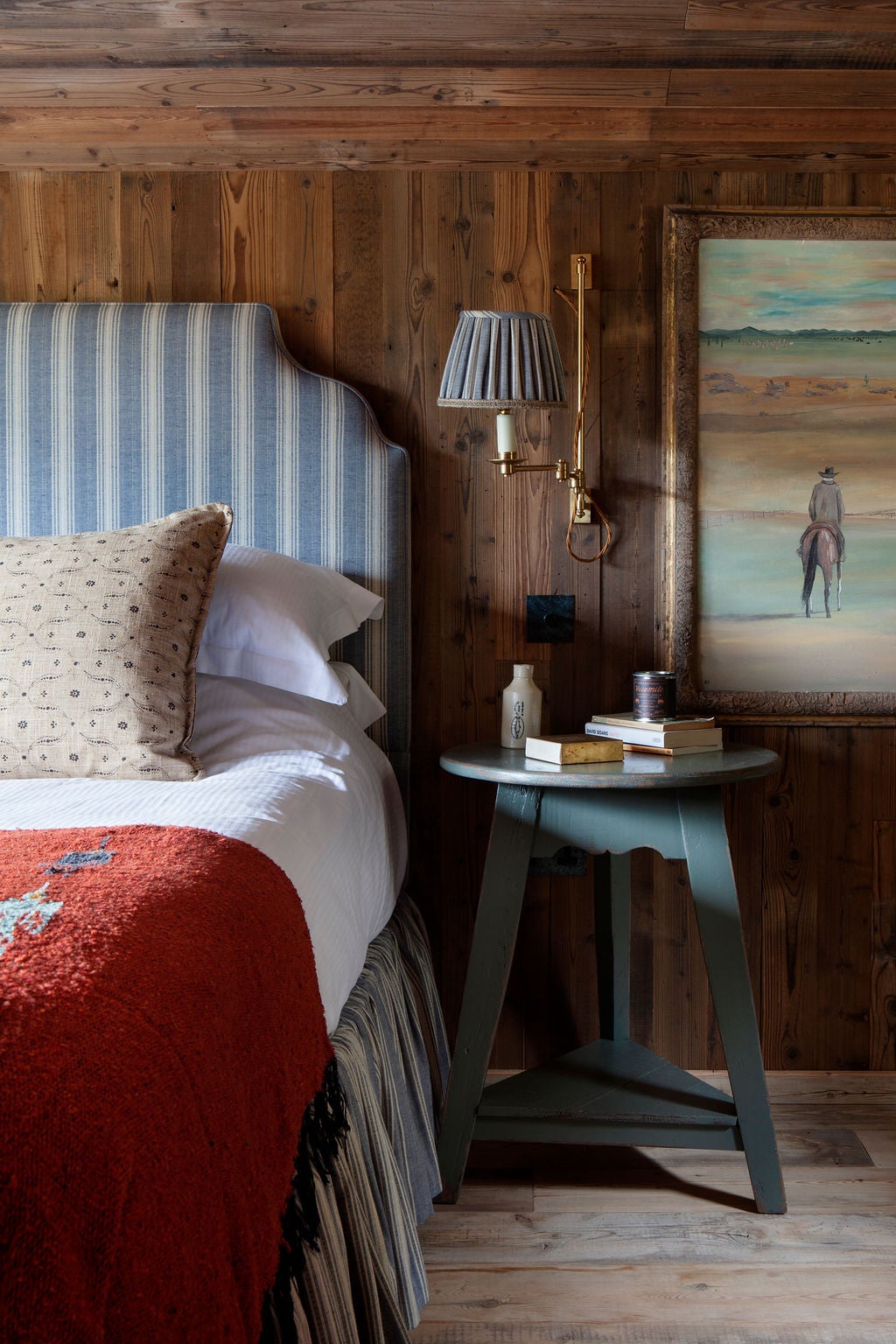
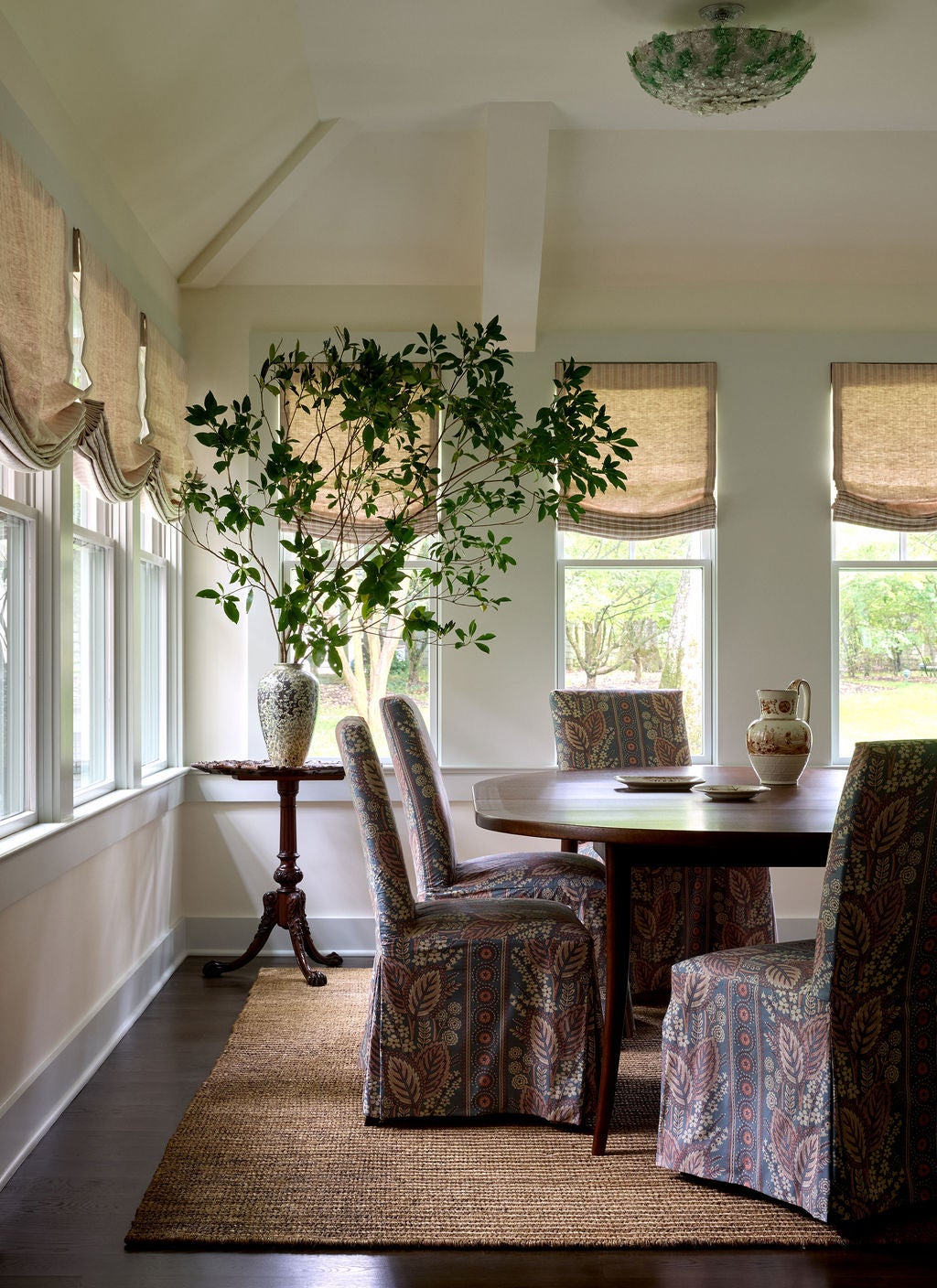
Carlucci’s design decisions reflect a tactile sensibility, favoring materials such as worn leather and natural stone. In one East Hampton project, she subtly referenced cowboy culture through dining chair upholstery, reminiscent of the bandana patterns worn by cowboys. This design choice evokes warmth and a relaxed elegance connected to the West.
Color choices in contemporary Western interiors focus on continuity rather than strong contrasts, aligning with a sun-bleached lifestyle. Carlucci points to a palette inspired by nature, suggesting tones like rust, camel, and dusty blue to create warmth without heaviness.
Cox reiterates this philosophy with an earthy palette of browns and greens, emphasizing texture layering to breathe life into rooms. This principle of tactility is central to HÁM’s aesthetic, as encapsulated in their Cabin collection. Their pieces are designed to feel personal and relatable, bridging the gap between the crafted and the collective.
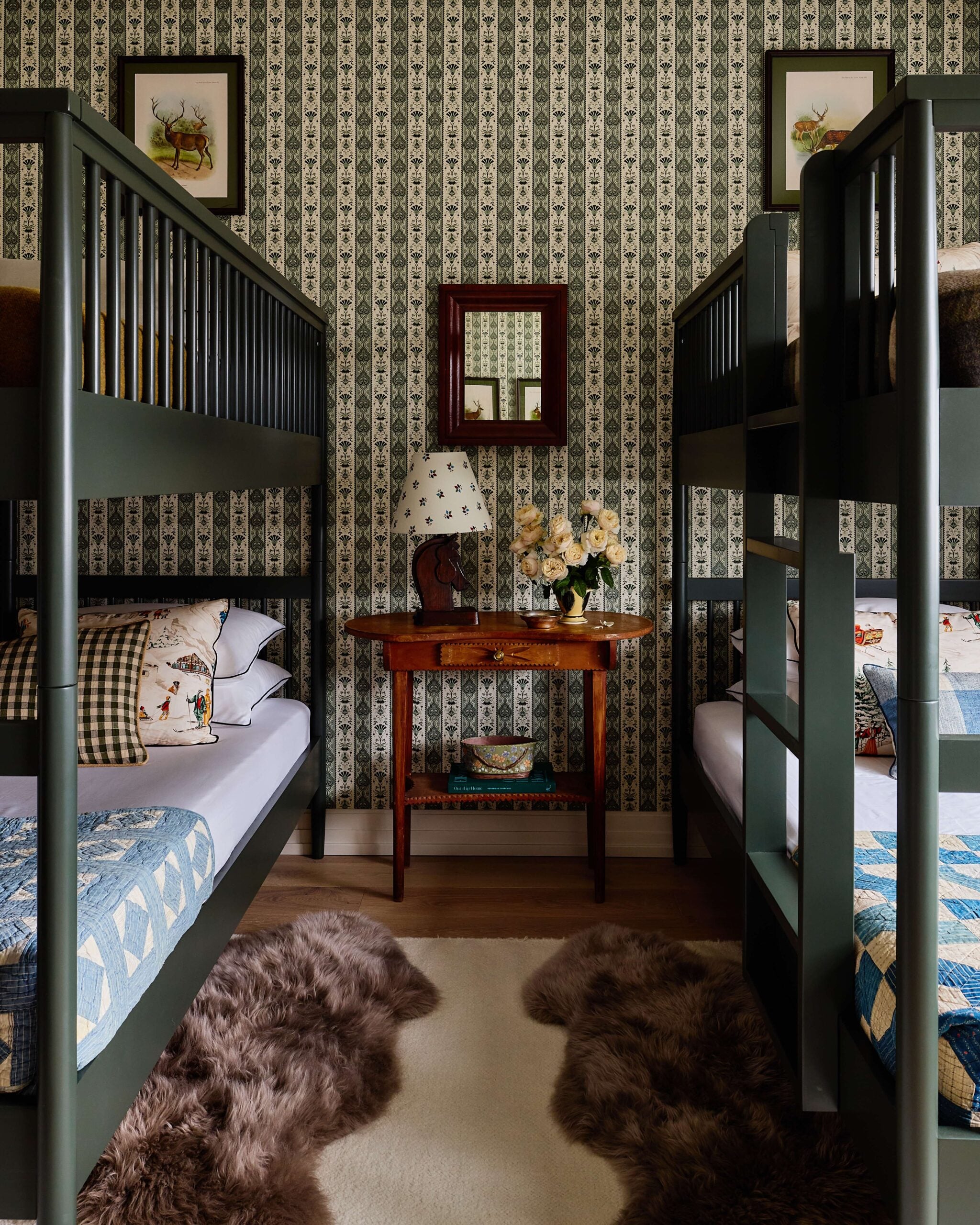
Avoid stereotypical motifs, advise interior designers.
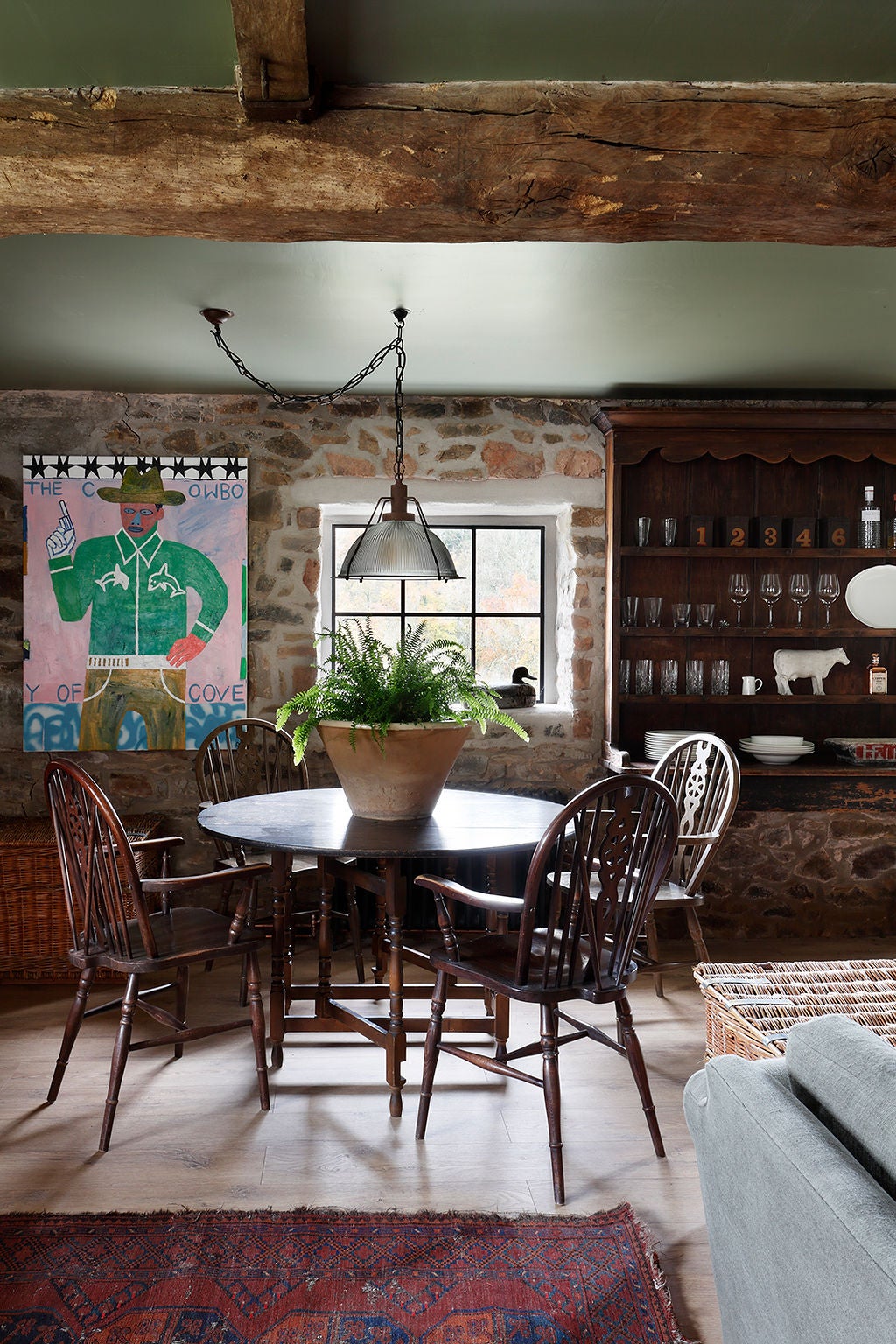
Mix neutral colors and textures for a cohesive interior.
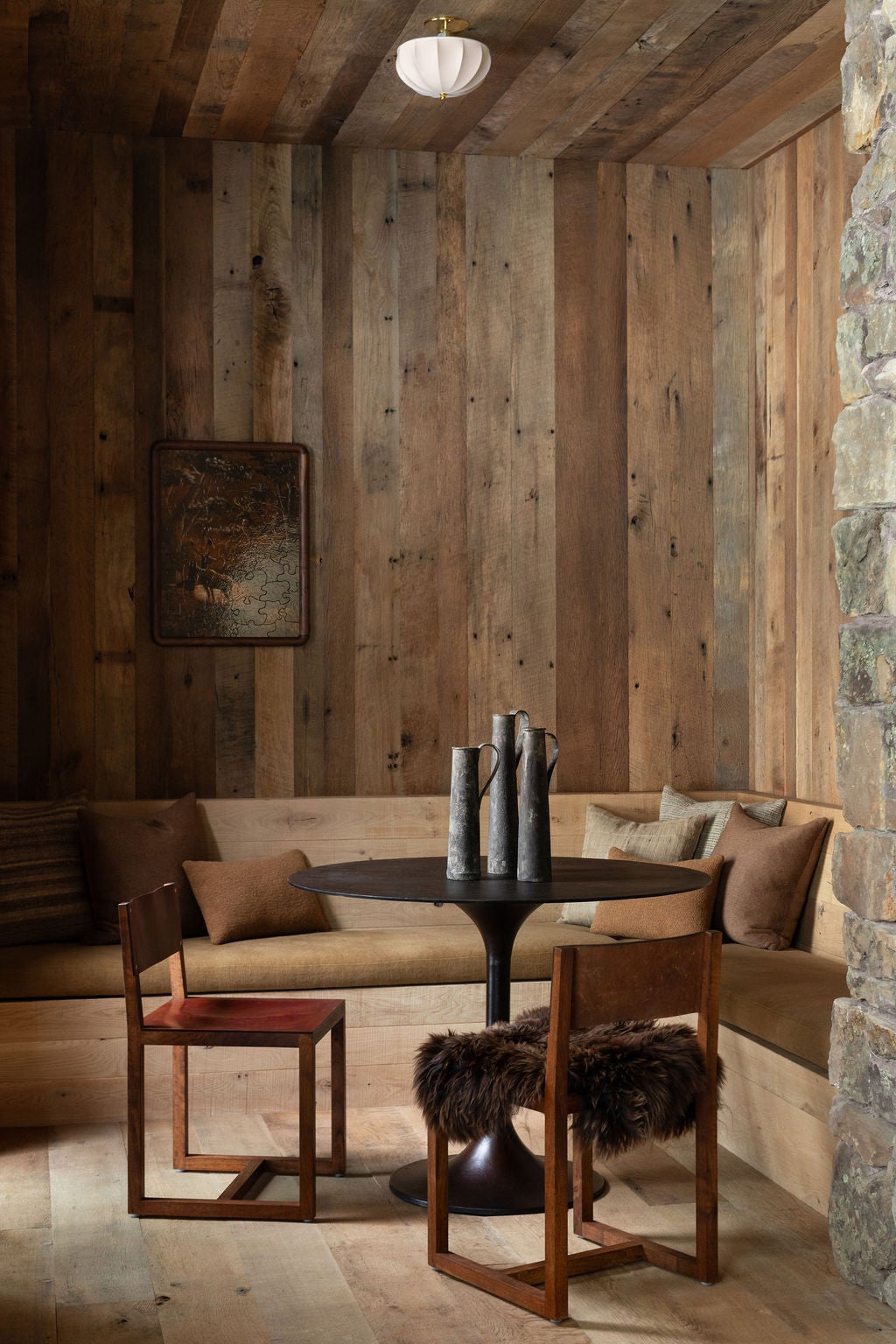
Modern Western design requires restraint for a contemporary feel.
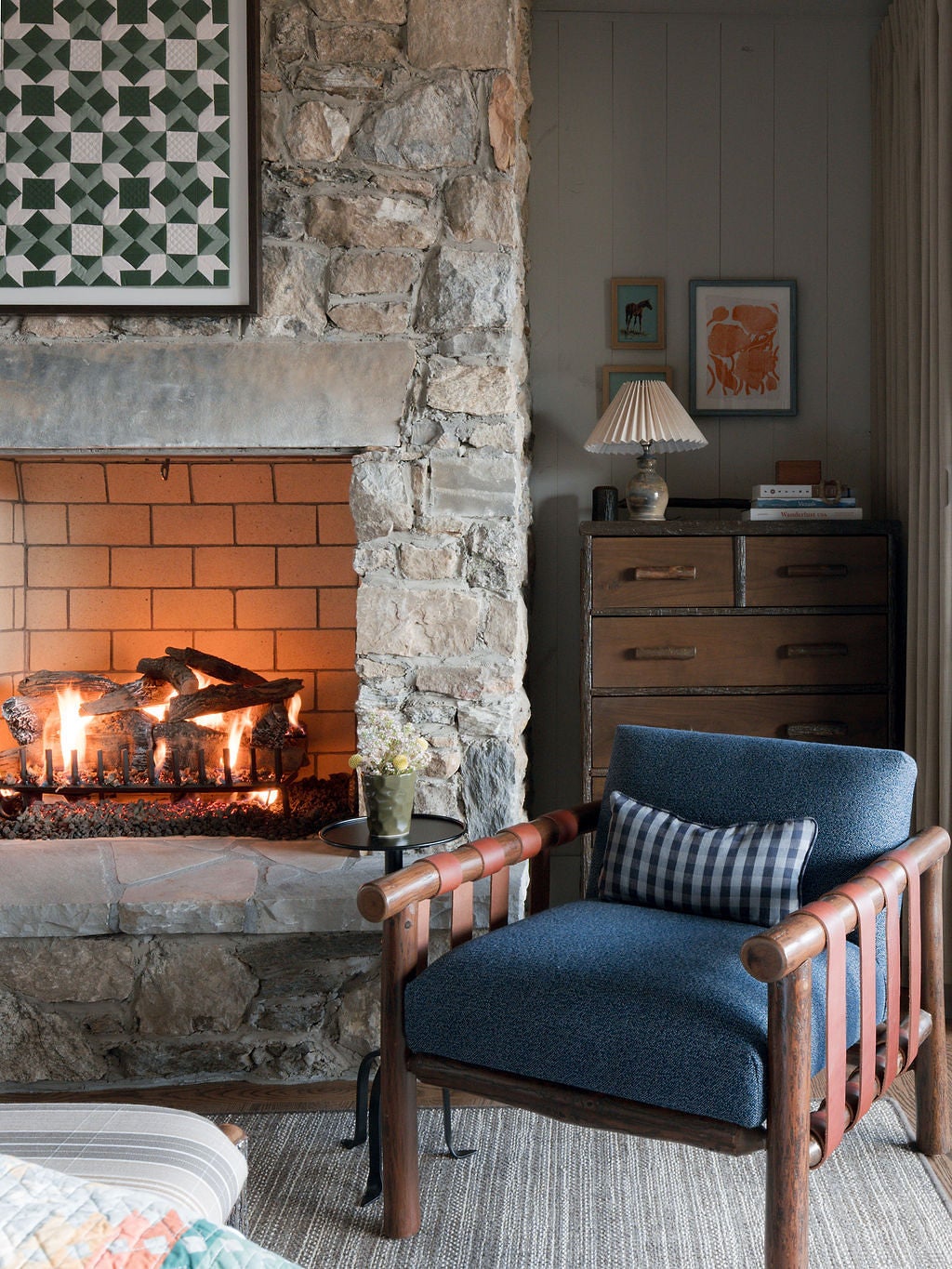
Incorporate authentic furniture and art to embody cowboy chic.
Choose worn fabrics and furniture to achieve the desired aesthetic.
Letting the surrounding landscape inspire design is fundamental. Feuer at Cataloochee Ranch prioritizes the view outside the windows as a starting point for every project. She asserts that both interior and exterior palettes must feel cohesive, allowing for a seamless transition from inside to outside. The lodges feature fresh finishes that subtly nod to Western themes, integrating materials and textures for a thoughtfully composed environment.
Fox shares this instinctive connection, stemming from her upbringing in Idaho. She believes Western design should adhere to a material-focused lens rather than indulge in clichés. The objective is to craft spaces that are resilient and harmoniously aligned with the rugged surroundings.
Contemporary interpretations of cowboy design reveal a sophisticated narrative. Today’s Western interiors evoke a sense of craftsmanship and authenticity that speaks not to nostalgic portrayals but to the enduring charm of a life rooted in close contact with nature.