By the mid-19th century, private clubs had rejuvenated their reputations, leading to a remarkable rise in their popularity. Over 400 establishments opened in London, particularly around Pall Mall, earning the designation of ‘Clubland.’ Nestled within majestic Palladian mansions, these clubs set a standard for elite members’ societies, featuring bars, libraries, billiards rooms, and private quarters for gaming and overnight stays. They provided dimly lit niches for the powerful elite of London to forge significant connections.
An Evolving Tradition
For over a century, private members’ clubs generally maintained this elusive character—conveniently concealed behind imposing doors in Mayfair and Soho, accessible only to a chosen few. However, recent trends indicate a transformation in one of England’s storied institutions.
According to a report by Knight Frank in its Guide to Private Members Clubs, the last five years have witnessed the opening of more clubs than the previous thirty years since the inception of the Groucho Club in 1985. The momentum continues into the 2020s, with British club culture gradually moving away from urban settings. Clubs are expanding into sprawling estates, wellness retreats, and rejuvenating spas.
Nobu’s Rural Retreat
The latest venture to embrace this shift is Nobu Hospitality, which is stepping outside of London with its inaugural countryside retreat in Rutland, East Midlands. Although the opening timeline remains unconfirmed, Nobu Woolfox will occupy a sprawling 185-acre estate featuring lake-view accommodations, a signature Nobu restaurant and bar, spa facilities, and branded residences. It promises to be both a destination and a members’ club.
“Nobu Woolfox presents an opportunity to experience the Nobu lifestyle in a completely refreshed setting,” states co-founder Chris Riddle. “This retreat will focus on a more tranquil way of life, in contrast to the high-energy atmosphere usually associated with cities.”
A Trend Towards the Countryside
Nobu is merely one of many establishments migrating away from urban life towards the pastoral charm of the British countryside. Among the newcomers is a rural outpost of the City’s Ned, scheduled to launch within 100 miles of London in the next five years. The notorious Groucho Club is also planning to expand to a Grade II listed estate in Yorkshire. Meanwhile, Estelle Manor in Oxfordshire has blossomed as a lavish getaway that mirrors Mayfair’s exquisite offerings.
Wellness Over Exclusivity
As these new-age clubs emerge, the definition of exclusivity is undergoing a transformation. The opulence traditionally linked to private clubs is gradually giving way to a more refined luxury characterized by wellness-centric amenities: longevity clinics, yoga studios, organic farm-to-table dining, and environments crafted for healing rather than revelry.
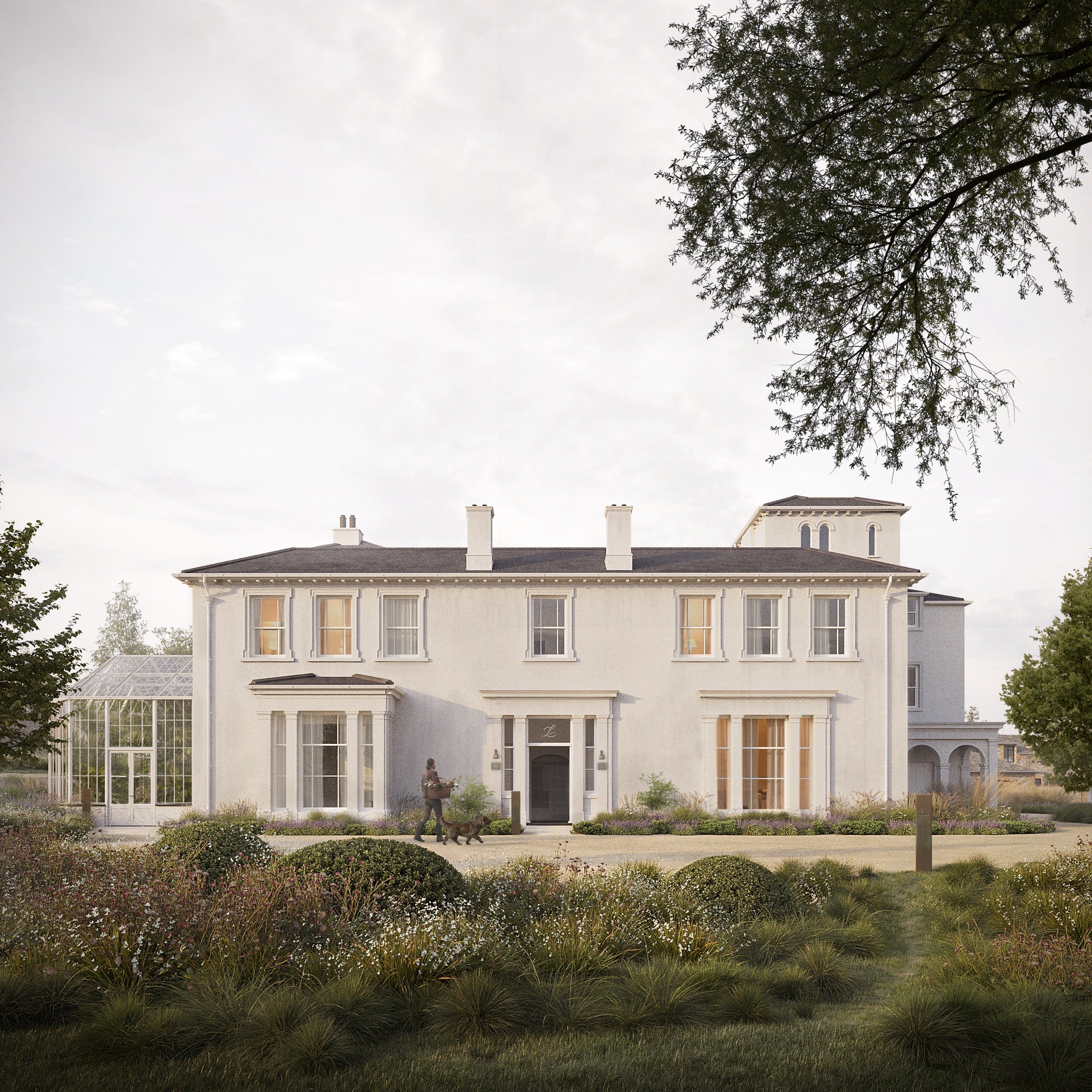
A noteworthy example of this trend is Long Lane, which is slated to open this summer in Sussex as the UK’s first sober members’ club and hotel. Situated within the renowned Dunford House estate in West Sussex, Long Lane epitomizes a departure from the classic formalities of the Mayfair model, instead prioritizing wellness spaces, tailored nutrition plans, and health assessments.
“City members’ clubs offer a temporary sanctuary from chaotic and polluted urban environments, but such solutions can only address symptoms, not root problems,” explains co-founder Loui Blake. “At Long Lane, every decision is guided by the ethos of enhancing well-being, which is why we maintain our alcohol-free policy. The natural setting itself aids this transformation, providing fresh air, tranquility, and a community focused on health.”
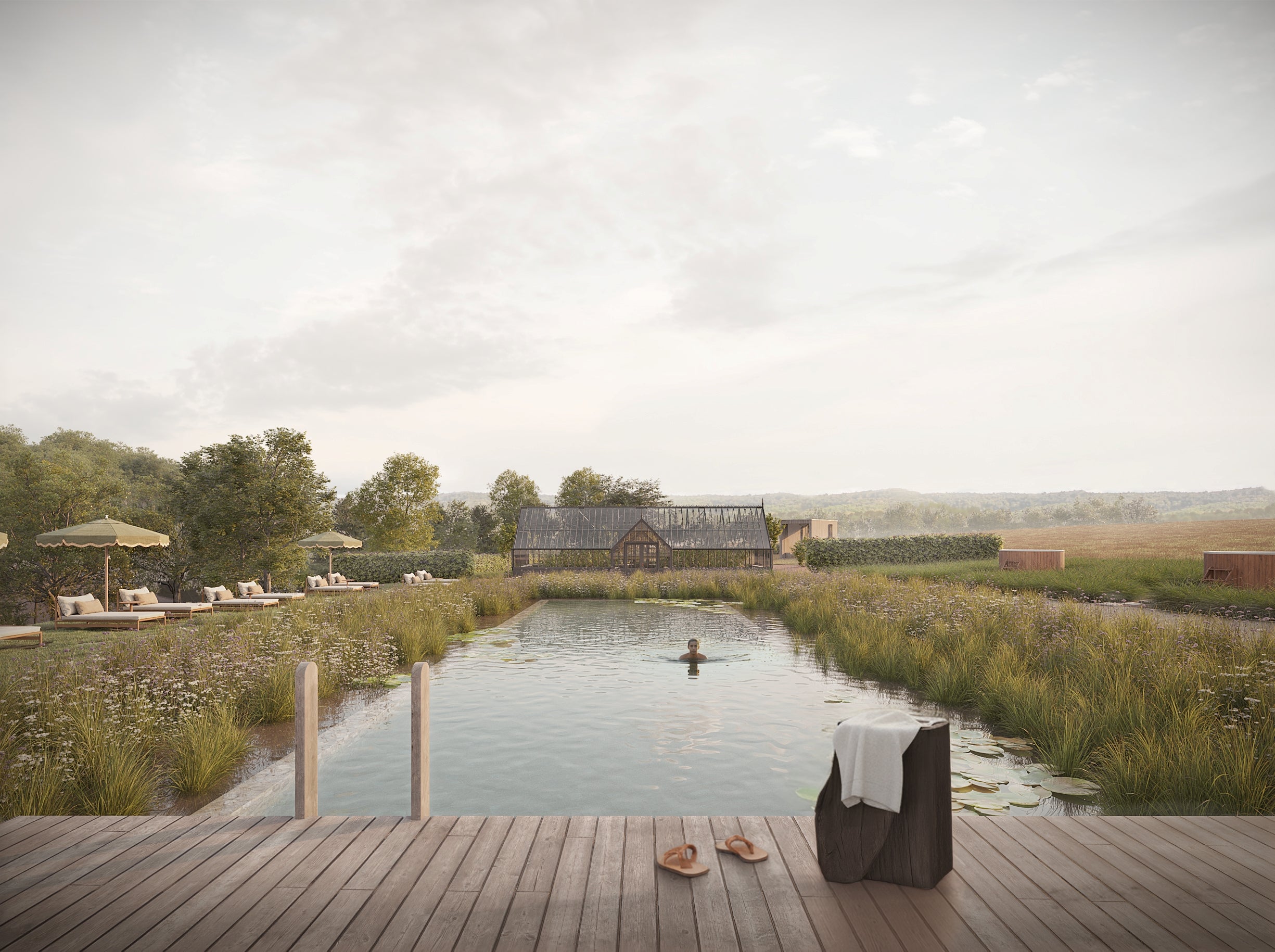
Long Lane presents two membership tiers: one for the country club, starting at £1,200 (approximately $1,600) per annum, and a longevity tier priced at £6,000 (about $8,000), granting access to advanced health services like DNA analysis and comprehensive health screenings. The pricing structure aims to foster inclusivity, as Blake emphasizes a priority on shared wellness values over status. “We aim to be exclusive based on principles, not wealth or prestige,” he clarifies.
“Here, members are unified by their commitment to health and wellness—they’re not performing or drinking but engaging with a community that reflects their lifestyle choices, thus fostering genuine connections.”
This marks a substantial paradigm shift in the essence of private members’ clubs, evolving from a focus on social distinction to a commitment towards holistic lifestyle enhancement. While guest lists remain, they now prioritize access to wellness amenities rather than mere social status.