In a landscape defined by hybrid experiences, traditional definitions of spaces are evolving. Cars, jobs, and even retail environments are merging distinct functions; coffee shops now serve as workspaces, and hotels increasingly cater to wellness and cultural pursuits. This shift challenges the notion of specialization, demanding multifaceted approaches across various sectors.
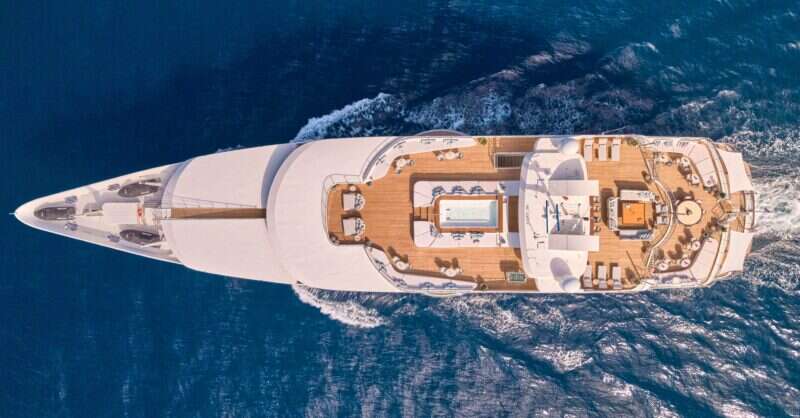
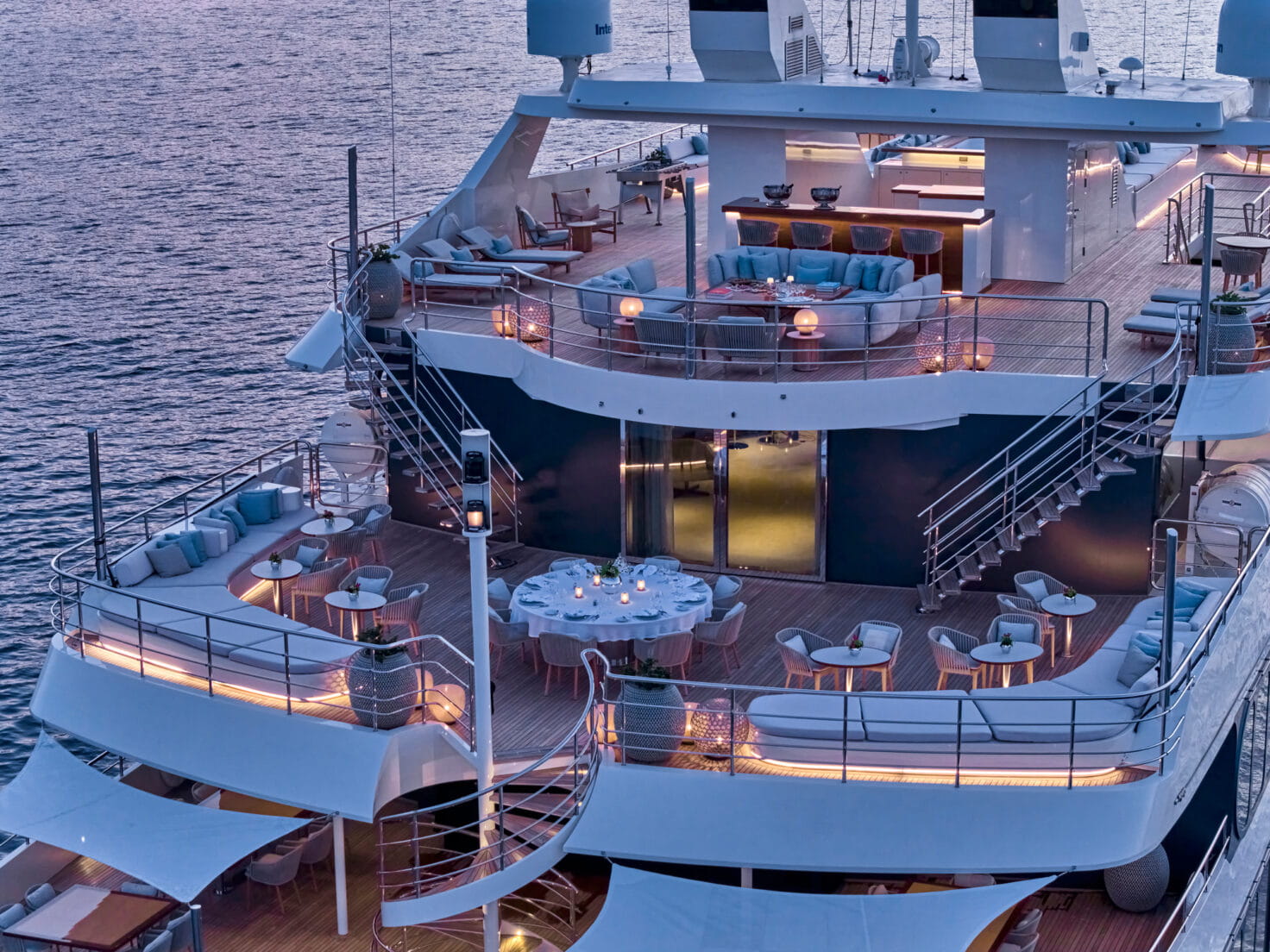
This complex interplay of concepts sparked initial skepticism about The Floating Art Hotel, billed as “the world’s first travelling art hotel.” Debuting during this weekend’s Monaco F1 Grand Prix, the venue is housed on a 72-meter superyacht in Port Hercule, intertwining contemporary art, boutique hospitality, members’ club experiences, and exclusive F1 amenities aboard a single vessel.
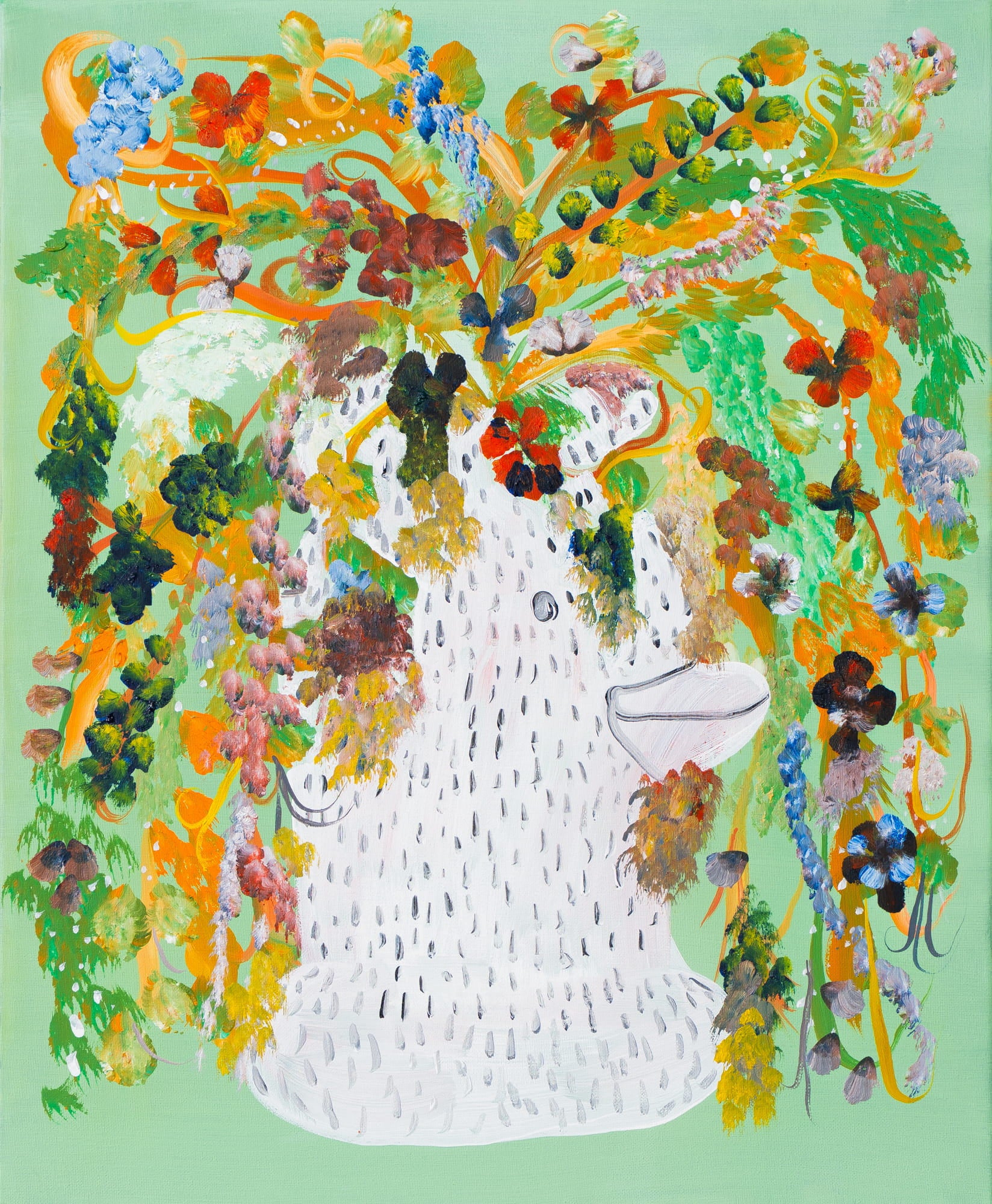
The exhibition States of Motion lies at the heart of this ambitious project, showcasing over 30 artists, including renowned figures like Marina Abramović and Shirin Neshat. The yacht features a mix of sculpture, photography, and digital art, with its expansive 3,770-square-foot sundeck transformed into an outdoor sculpture garden.
Beyond the exhibition lies a rich menu of events: collector breakfasts, artist talks, wellness sessions, and sunset gatherings complement the artistic showcase. Accommodations consist of 14 suites, hosting a selective group of collectors, artists, and influencers. Additionally, the members’ club aspect allows guests to track future editions as the hotel travels to different locales.
This layered complexity may seem overwhelming, and it undoubtedly is.
The premise of situating such a comprehensive concept on a yacht raises significant questions. For Gaelle Jaunay Calendini, the founder, her years in the superyacht industry inspired this approach. Responding to requests for a more curated experience, she aims to create an environment free from crowding, particularly during elite events like the Grand Prix, when demand for accommodations swells.
Apart from the unique venue, Francesco Marchiaro, the curator, notes a critical gap between existing experiences. “Traditional hotels offer art, and yacht hotels are emerging, but nothing cohesive unites these experiences,” he observes.
Whether The Floating Art Hotel represents a new category or an ambitious blend of existing models remains open to interpretation. However, the intention goes beyond just luxury accommodation. Marchiaro emphasizes, “This project aims to cultivate community.”
This ethos is evident within the exhibition’s framework, where approximately 80 percent of artworks are sourced directly from artists’ studios. Live performances by artists like Jorge Parra and Ana Maria Caballero foster direct dialogue between creators and collectors throughout the event.
Access to the hotel and its activities comes in various forms. While the exhibition is free to the public, guests can purchase tickets for talks, performances, and curated dining experiences. The premium overnight suites accommodate only 28 guests, with packages spanning the Grand Prix weekend ranging from €65,000 to €150,000 (approximately $75,110 to $174,615).
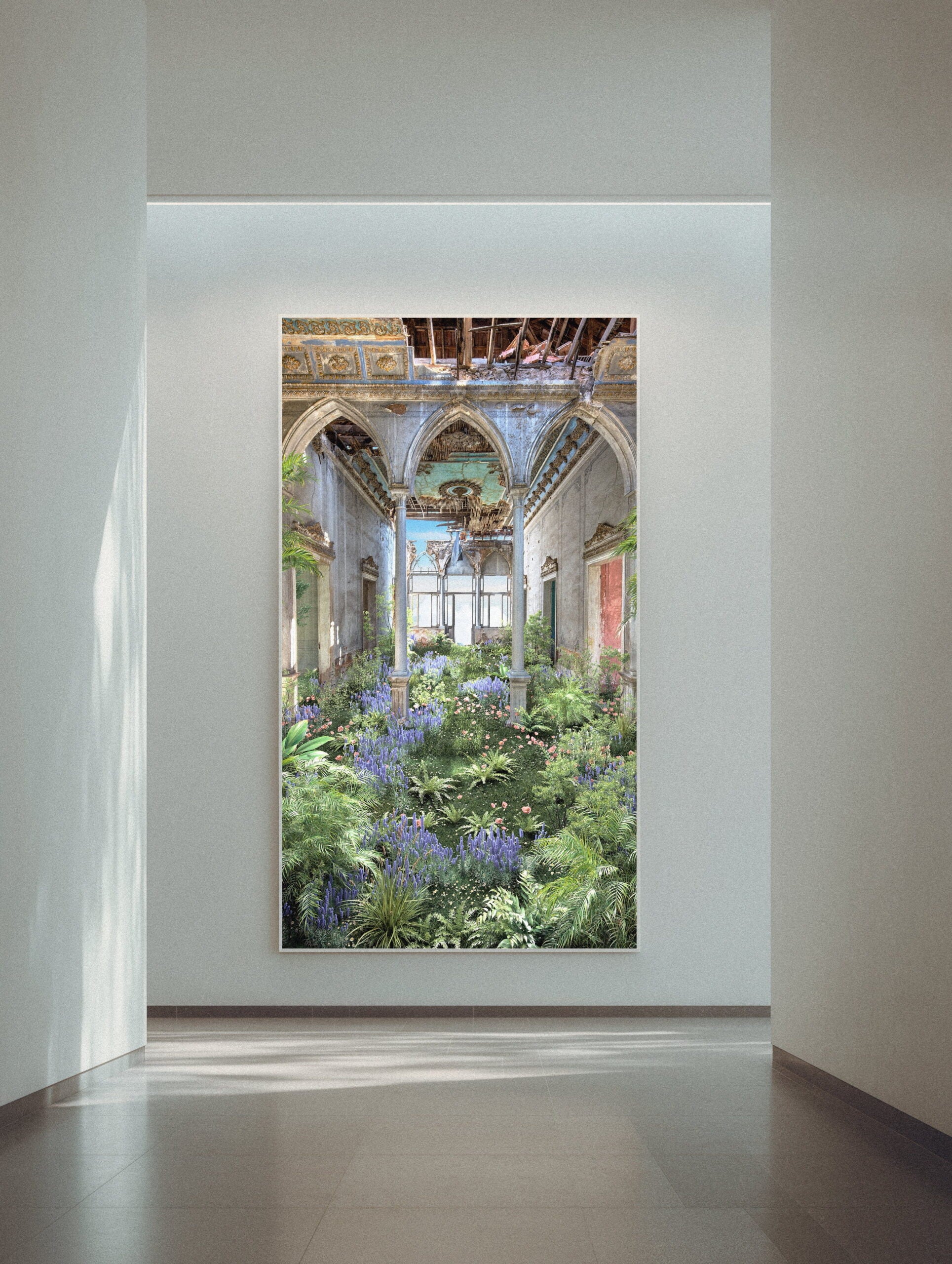
The Monaco edition sets the stage for future installations, including stops at Art Basel in Miami, Hong Kong, and Abu Dhabi, each featuring a distinct curatorial focus and local artists. Marchiaro emphasizes the appeal of this nomadic aspect. “There is a noticeable market demand for experiences that intertwine art and culture with hospitality,” he notes.
The future of luxury travel, particularly in terms of unique hybrids, remains to be seen. However, as cultural venues evolve and cross-functional spaces become more common, the concept of a floating art hotel appears increasingly relevant and fitting.