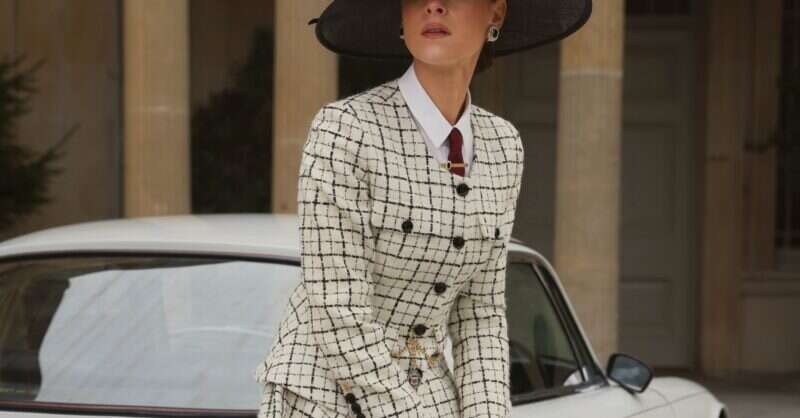
Eliza Doolittle’s memorable moment at Ascot in My Fair Lady epitomizes the blend of elegance and anxiety many first-time racegoers experience. With a longing to impress yet a fear of missteps, newcomers to the racetrack this season will recognize these feelings.
The thrill of the event, combined with the pressure to adhere to dress codes, is understandable for those attending their first or even second race. To help ease potential nerves, industry experts have shared insights. They discuss how dress codes can vary by venue, the trends likely to surface in 2026, and clarify the ongoing debate regarding hat etiquette.
Choosing the Right Outfit for the Races
When deciding what to wear to the races, the venue is paramount. Different race meetings come with specific requirements, ranging from strict formal attire to a more casual vibe. It’s wise to familiarize oneself with these guidelines ahead of time, particularly if a stylist is involved.
“Treat the dress code as a framework rather than a limitation,” advises George Glasgow, co-owner and CEO of George Cleverly. “Begin with classic pieces that fit well, and avoid last-minute choices. If in doubt, it’s better to err on the side of being slightly overdressed than underdressed. Most importantly, select something that aligns with your personal style.”
Looking ahead to 2026, experts predict a shift towards understated elegance, distancing from flashy attire. “I appreciate how attendees are increasingly recognizing that racing looks don’t have to be strictly occasion-based,” shares Jade Holland Cooper, fashion designer of Holland Cooper. “There is a growing fondness for timeless pieces that blend seamlessly into one’s wardrobe long after the event.”
For men, Glasgow notes an emerging trend of softer tailoring, lighter fabrics, and a diverse color palette that extends beyond traditional shades. “Consider hues like sage, tobacco, cream, and soft pastels,” he recommends.
Women’s fashion is embracing a contemporary femininity characterized by sculptural silhouettes, monochromatic ensembles, and elegantly crafted headpieces that feel more modern than theatrical.
Holland Cooper echoes this sentiment: “Women are returning to classic styles. Tailoring is particularly gaining traction throughout the racing season, from Aintree to Ascot, thanks to its balance of sophistication and practicality.”
Understanding Racecourse Dress Codes
Dress codes can vary significantly across racecourses. While polished tailoring and lavish dresses are often associated with race days, various venues maintain differing levels of formality.
“Each racecourse’s ambiance and tradition dictate attire,” explains Glasgow. “Royal Ascot stands as the epitome. It combines rich heritage with some of the world’s most strictly enforced dress codes, fostering an environment where attendees truly elevate their presentation.”
In contrast, many other racecourses adopt a more relaxed approach. Outfits featuring smart summer dresses or tailored separates are generally welcomed, though standards are still upheld across informal settings. Grasping the character of the specific event is essential.
Attire Guidelines for Royal Ascot
Royal Ascot is unparalleled in its formal dress expectations. “The significance of Ascot lies in its prioritization of elegance over mere fashion,” notes Glasgow. “This leads to a refinement few other events can replicate.”
Nevertheless, Holland Cooper emphasizes that such formality should inspire creativity rather than intimidate. “The dress code invites attendees to indulge in dressing up, creating a rare occasion where fashion and sport coexist harmoniously.”
For those in the Royal Enclosure, traditional morning dress is mandatory for men. This typically includes a black, grey, or navy morning coat paired with matching trousers, a waistcoat, a tie, and smart dress shoes, accompanied by a top hat. “Expect to see refined millinery and luxurious materials like silk and lightweight wool,” Glasgow adds.
Women are expected to opt for modest-length dresses or skirts, featuring straps that are at least one inch wide. Additionally, hats or significant headpieces remain compulsory.
In other areas, like the Queen Anne and Village Enclosures, rules are slightly more lenient, yet the emphasis is still on smart and sophisticated attire. Tailored pieces, occasion dresses, and tasteful accessories are commonly worn, while casual clothing like denim or sportswear is discouraged across all enclosures.
Dress Sense for Glorious Goodwood
“Glorious Goodwood tends to embody a more laid-back, romantic aesthetic, showcasing softer silhouettes, airy fabrics, and hints of vintage flair,” according to Glasgow.
The Richmond Enclosure demands men aged 16 and older to don a suit jacket, tie, collared shirt, and full-length trousers. Casual wear and fancy dress are prohibited.
However, unlike Royal Ascot, Goodwood prioritizes style over rigid guidelines. The course promotes “easy elegance,” welcoming linen suits, fluid dresses, smart separates, and relaxed tailoring.
Women should anticipate flowing midi dresses, floral patterns, and lightweight materials that harmonize with the scenic Sussex countryside. While hats and fascinators are encouraged, they are not mandatory.
What to Wear to Cheltenham
Holland Cooper describes the Cheltenham Festival as a personal favorite due to its unique atmosphere that feels like the highlight of the racing calendar. Unlike other events, Cheltenham takes a more relaxed stance on formal dress, encouraging smart attire. Given the March setting in the Cotswolds, considerations for the weather are just as crucial as festive attire.
Popular options include tailored coats, wool blazers, cashmere knits, and elegant outerwear, ideally complemented by practical footwear since attendees are outdoors. Tweed remains a Cheltenham staple, expressed in full suits or tailored jackets.
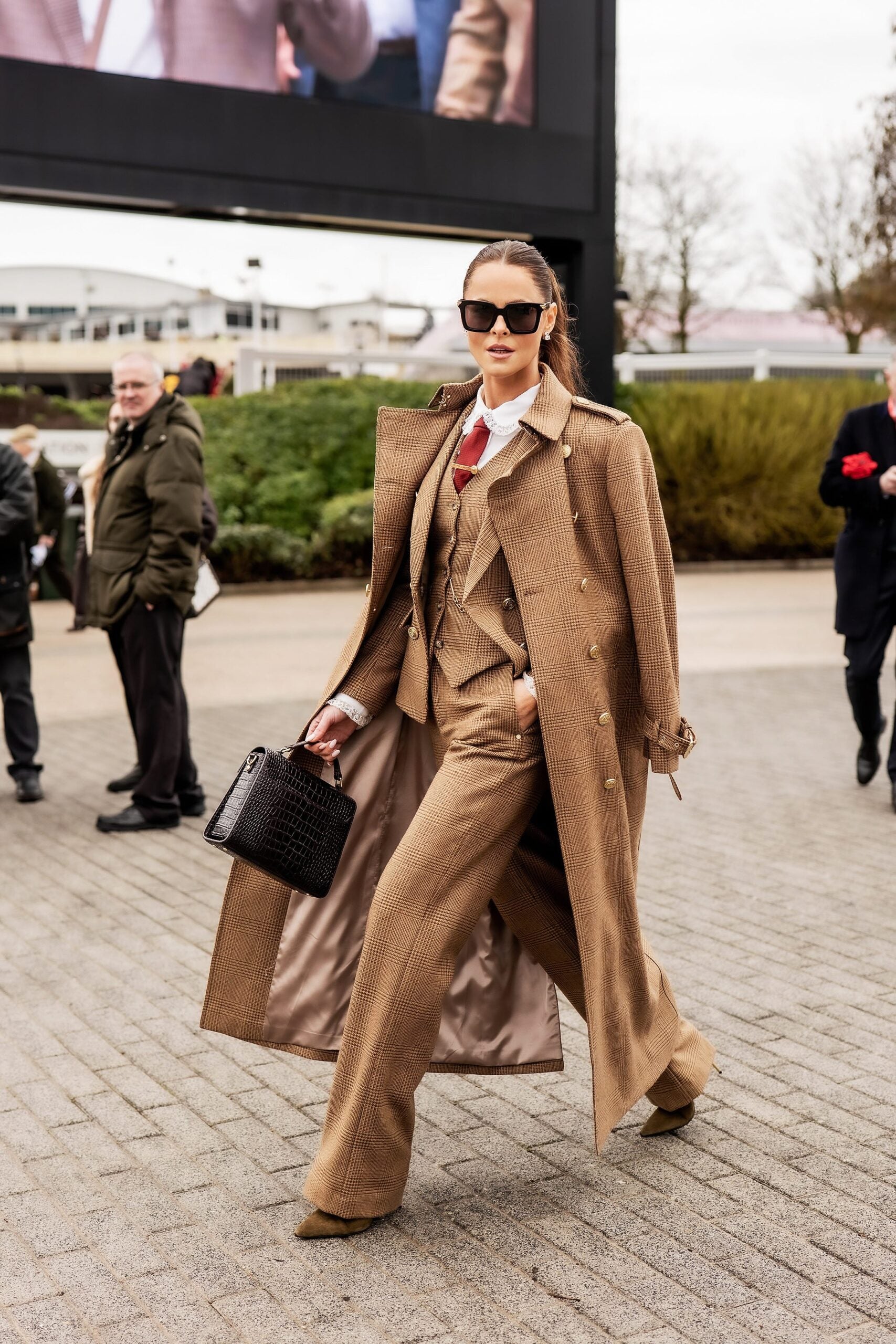
Women often opt for midi skirts, structured dresses, and tailored separates paired with knee-high boots, frequently accentuated by dramatic hats or headpieces on special days like Style Wednesday.
Footwear Choices for Race Days
Selecting appropriate footwear for a day at the races is paramount, given the nature of the event. Long hours spent standing and navigating uneven terrain calls for comfort.
“Race days can be lengthy, so I prioritize footwear that serves from the first to the last race,” shares Holland Cooper. “For summer outings like Ascot, I gravitate towards our Regency Court Shoes. The block heel enhances comfort and mobility on the course.”
Preparing for Weather Changes
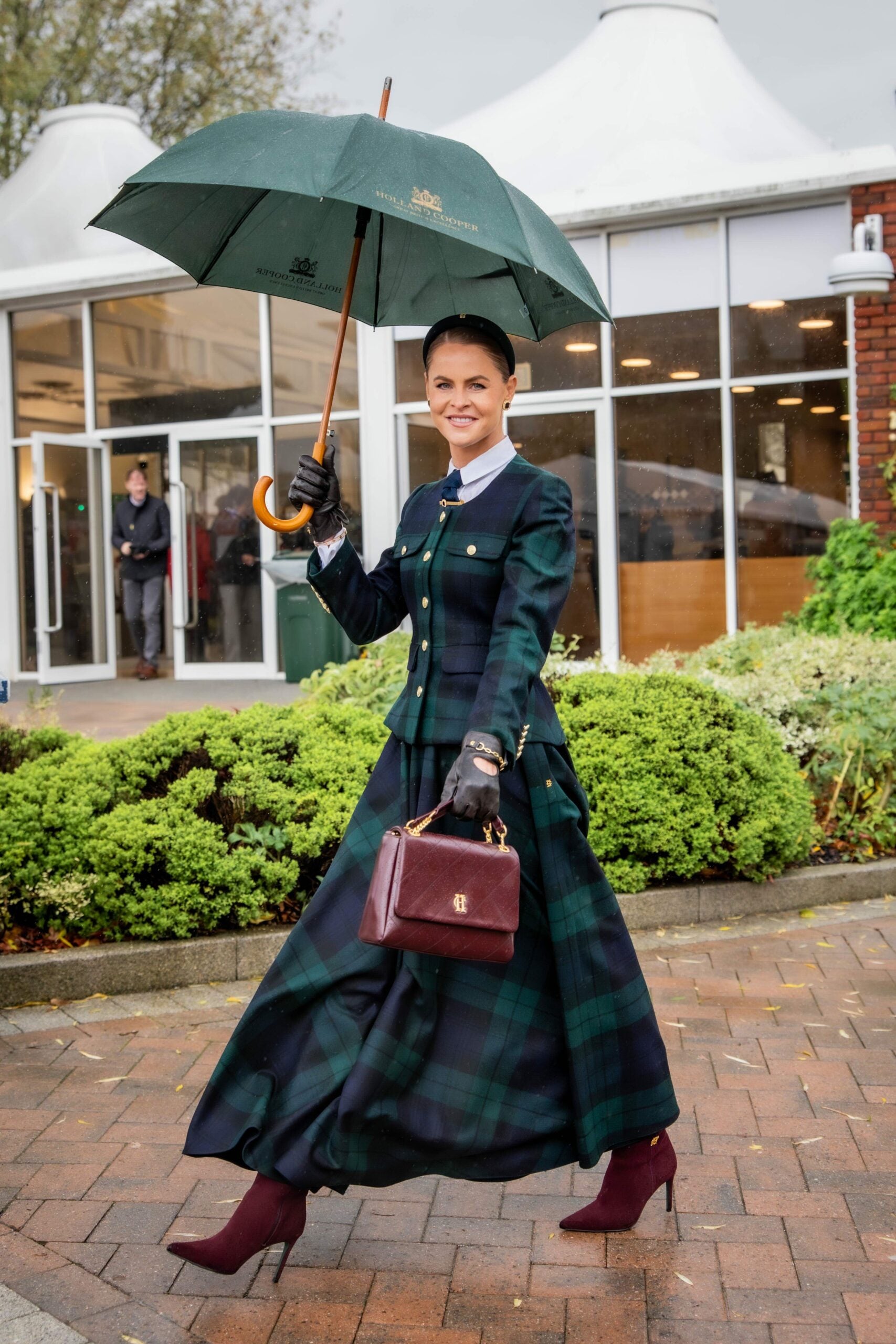
Unpredictable British weather necessitates thoughtful planning, according to Glasgow. “It’s essential to prepare for various conditions without sacrificing style.”
“For warmer days, natural fabrics like linen and lightweight wool maintain form while keeping the wearer cool,” he suggests. In wet weather, “a chic trench coat, a quality umbrella, and suitable footwear can preserve one’s look without compromising elegance.”
Outfits to Avoid at the Races
“The prevalent misstep is treating race day like a themed event rather than a sophisticated gathering,” Glasgow concludes. “Successful race-day looks appear effortless, fitting to the venue, and respectful of the specified attire. Quality, fit, and confidence will make a more significant impact than merely chasing trends.”