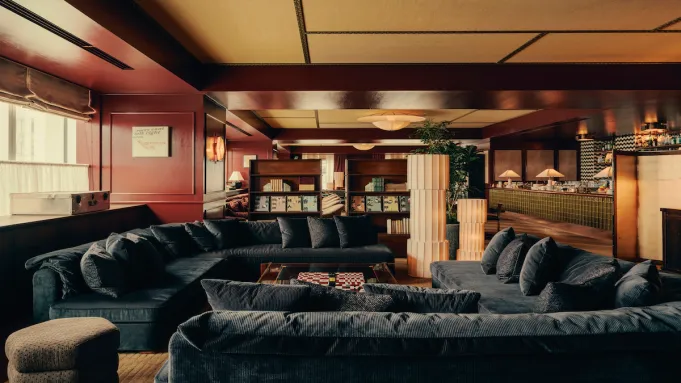
Soho House has recently faced criticism from some members, who claim the brand is losing its allure. Complaints have emerged about crowded pools and high membership fees that don’t seem justified. Discussions continue regarding the club’s perceived decline in edge. The recent $2.7 billion acquisition, returning Soho House to private ownership, and the launch of its first location in Japan, Soho House Tokyo, suggest a potential turnaround for the brand.
Private members clubs are not a novel concept in Tokyo. Established venues like the Tokyo American Club, Ginza Sapphire Lounge, and Le Club de Tokyo have solidified their presence among the city’s business networking elite, where personal recommendations and the exchange of business cards play critical roles.
Soho House Tokyo, which opened on April 8 in the Omotesando Grid Tower, marks the London-based brand’s 50th house. It aims to establish its own unique identity in the city.
Edvinas Bruzas
Guests are greeted by staff dressed in custom denim uniforms by Japanese brand Onitsuka Tiger at a discreet entrance on the ground floor of the 38-story tower. The membership club spans floors 11 to 14. This area is known for its high fashion and design, with notable establishments like Kengo Kuma’s SunnyHills cake shop nearby.
Across the upper two floors, a wooden spiral staircase links various club spaces that blend work and leisure. A mirrored fitness studio offers pilates reformers with expansive city views. Comfortable lounges are equipped with communal tables and plush seating. Dining options include a sushi counter and a Brasserie serving a menu that fuses European classics with local flavors.

Edvinas Bruzas
The standout feature lies on the rooftop terrace: a heated infinity pool, a rarity in a city famed for its stunning vistas. Daybeds and sun loungers are available for guests looking to unwind by the pool, which is adorned with custom blue tiles.
The interiors are a sophisticated mix of vintage European pieces and traditional Japanese design, reflected in the selection of furnishings and art. Works from over 40 artists, primarily Japanese, enhance the aesthetic.
The hotel features 42 guest rooms, each with a balcony showcasing city views. Soft furnishings crafted from upcycled materials and intricate flooring contribute to a sense of comfort and locality throughout.

Sean Hazen
During its inaugural week, the atmosphere was vibrant as founding members and guests participated in events such as discussions led by prominent British designer Clare Waight Keller and sessions featuring vinyl-only performances from renowned local DJs.
There was also an engaging performance from local geishas, which added a cultural touch to the otherwise energetic atmosphere. Members mingled and shared experiences, enhancing the sense of community.
The establishment has focused on building a diverse community since its inception, allowing members from various creative fields to influence the programming and offerings at the new location.
Feedback from regional leaders highlights the significance of community and social connections that have been nurtured through outreach initiatives, ensuring a vibrant membership base before the official launch.

Edvinas Bruzas
On the business front, Soho House is expanding rapidly. New locations opened in 2025, and more are planned for the upcoming years across various regions, including the U.S., Europe, and Asia. Notably, plans are underway for new locations in Mexico and Palm Springs.
While the future of Soho House Tokyo remains uncertain regarding its sustained popularity, the rooftop pool, which offers panoramic views, is anticipated to be a favored spot as summer approaches. The overall design ethos of Soho House Tokyo promises to elevate the private club landscape in the city.
The leadership team is optimistic about the potential for success in Tokyo, believing in the abundance of creative talent in the area that aligns well with the club’s offerings. They are committed to fostering an enriching community that is both local and international in perspective.