Open-fire cooking embodies an artful simplicity. From a fresh fish fillet to premium cuts of meat or an assortment of garden vegetables, the essence of flavor can be extracted with just the heat of glowing coals. However, translating this simplicity to the backyard grill can often lead to less-than-desirable outcomes.
What distinguishes high-end grilling from a casual barbecue in your backyard? We sought insights from world-renowned open-fire chefs, who generously shared their essential techniques, key ingredients, and valuable practices that elevate the grilling experience.
Expert Chefs’ Top Tips for Grilling at Home
Every chef concurs on a fundamental principle: approach grilling with ease. “Take your time,” advises Dave Pynt, chef-owner of the Burnt Ends Hospitality Group in Singapore. “Ignite the fire, pour yourself a glass of wine or crack open a beer, engage in conversation, and allow the wood to transform into a cozy bed of glowing coals. This is where the magic truly unfolds.”
Yiannis Mavrommatis, head chef at London’s open-fire venue Pyro, echoes this sentiment, emphasizing the importance of allowing the fire to reach its optimal state before cooking begins.
Similarly, Ollie Templeton, co-founder and chef patron at Carousel and Cometa, highlights the significance of patience: “Don’t be in a rush to cook. Waiting until the coals turn white ensures consistent heat and superior results.”
According to Mavrommatis, achieving greater control and enhanced flavor comes only once the fire is allowed to settle.
Once you’re ready to cook, mastering heat management is paramount. “Understanding how to regulate heat is crucial when cooking over fire,” remarks Kostas Papathanasiou, culinary director at Michelin-starred Lita in London. Pynt succinctly states, “You’re managing the fire, not battling it.”
The professional chefs advocate for establishing distinct heat zones, which offers the flexibility to prevent overcooking. Papathanasiou suggests creating a ‘hot zone’ for searing, a ‘medium zone’ for gentle cooking, and a ‘cool area’ for resting ingredients or finishing them delicately.
“Fire is dynamic and intense, thus flexibility is essential,” Papathanasiou adds.
Ramiro Lafuente Martinez, executive chef at The Connaught Grill, echoes similar wisdom with his approach, utilizing one side of the grill for high heat and the other cooler for gradual cooking. This strategy enhances control, particularly when preparing chicken, sausages, and thicker cuts.
Keeping a small stash of fresh embers nearby allows for greater adaptability, Papathanasiou notes. “Cooking over fire isn’t about taming the flame; it’s about understanding its behavior and collaborating with it.”
Eleanor Henson, culinary director at London’s Spring and Hearth, also emphasizes the importance of embers. “Embers provide the most even and gentle heat, perfect for allowing vegetables to caramelize, fish to remain tender, and meat to cook steadily,” she states.
The foundation for excellent grilling begins long before the food hits the grill. “Start with quality ingredients, season them thoughtfully, and let the fire perform its wonders,” advises Pynt.
Several habits can significantly improve final results. Petros Dimas of Michelin-starred Makris in Athens always brings meat to room temperature before grilling—about two hours in advance—to ensure even cooking and a better crust.
Martinez suggests patting meats and vegetables dry before grilling so that they caramelize instead of steam.
The choice of fuel is equally crucial. While each chef has their preferred woods and charcoals, they agree on the importance of quality. Dimas prefers olive wood charcoal for its clean, consistent heat.
He often adds aromatic herbs directly to the embers, creating fragrant smoke. “Rosemary, thyme, or bay leaves generate an aromatic haze that enhances the meat’s flavor without overwhelming it,” he shares.
Above all, patience prevails. “Cooking over a wood fire carries an element of magic, and respecting the process will reward you time and again,” remarks Pynt.
The Best Ingredients for Grilling at Home
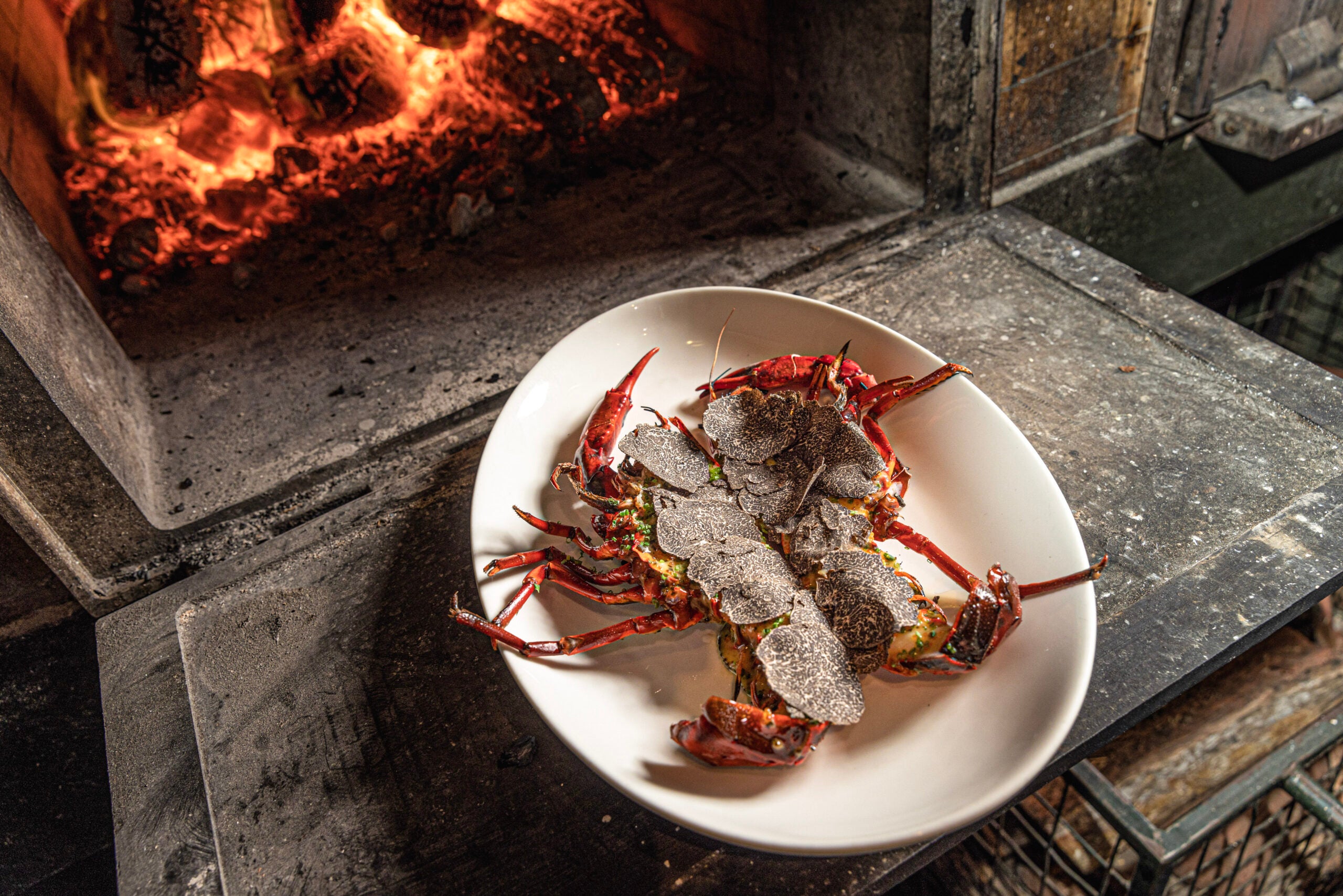
Seafood ascends to the top of many chefs’ lists as the ideal ingredient for open-fire cooking. “Whole fish and seafood are my go-to,” states Kostas Papathanasiou. “Fire exquisitely enhances the natural sweetness of seafood, embodying both simplicity and sophistication.”
For gatherings, serving a whole fish at the center of the table looks impressive and encourages camaraderie. Mavrommatis considers cooking a whole turbot on the bone his favorite, noting that it absorbs a subtle smokiness while remaining moist and tender.
When entertaining, Pynt opts for a three-to-four-kilo line-caught turbot grilled directly on the coals. “It’s a shared dish, prompting everyone to gather, enjoy a glass of wine, and engage in lively conversation,” he says.
The finishing touch for whole fish is simplicity. Mavrommatis complements turbot with just olive oil, lemon, and fresh herbs, while Pynt dresses his with a pil pil sauce made from the fish’s own juices, hot oil, and lemon, topped with za’atar and a salad of pickled carrots and celery.
For everyday grilling, Templeton suggests opting for aged sea bream or mackerel cooked right on the coals, while guajillo and morita chilies can be used for infused oils drizzled over the cooked fish.
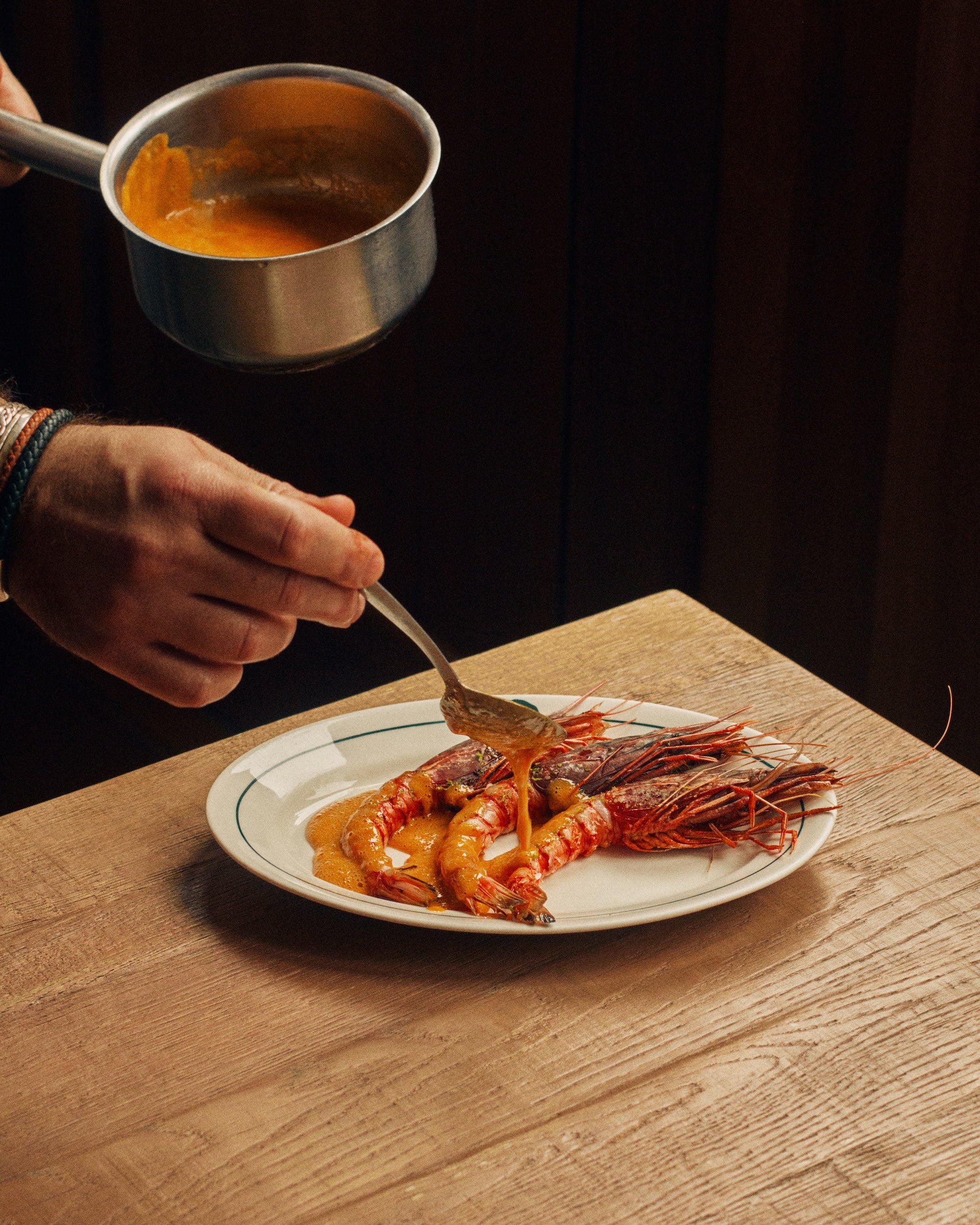
Martinez favors oily fish such as sardines and mackerel for grilling, often finishing them with a salsa verde made from parsley, garlic, and sherry vinegar.
When it comes to meat selections, top-tier quality reigns supreme. “Exceptional meat paired with simple seasoning is key,” notes Dimas. “When the quality is top-notch, minimal intervention is required.”
Dimas opts for premium cuts like picanha or those from the chuck and round, seasoning them lightly with olive oil, salt, and freshly cracked black pepper. “Flavor should stem from the meat’s inherent quality, the fire, and the cooking method rather than intricate marinades,” he explains.
For reliable options, Martinez recommends chicken thighs for their juiciness and resilience against overcooking. He also praises Iberico pork cuts, which possess a higher fat content, ensuring tenderness and robust flavor when cooked over coals.
Vegetables too merit a place on the grill. Henson begins with a vibrant platter of charred vegetables, a generous gesture before other dishes arrive. Templeton suggests grilling snap peas and courgettes, finishing them with lemon, olive oil, and a spicy tomato salsa for an invigorating touch. Henson prefers light seasoning of good olive oil, lemon, and fresh herbs for whole leeks, chicory, squash wedges, or young onions to bring out their natural sweetness.
For dessert, Henson recommends simplicity: “Halved peaches or late-season figs caramelized over the fire and served with rich crème fraîche.”