The rise of padel has captured attention globally. Initially a niche sport popular in Spain and Latin America, it has expanded rapidly, with luxury hotels adding courts and brands launching pop-up events. Today, private clubs are integrating matches into their offerings, and recreational play is surging.
Currently, over 30 million recreational players enjoy padel worldwide. In the UK, participation is estimated to grow from just 15,000 players in 2019 to more than 860,000 by 2025, marking it as one of the nation’s fastest-growing sports.
“Thirty-one million people in the UK recognize the sport of padel – that’s half the population,” Charlie Grave, co-founder of TBB-Sport and organizer of the Alfred Dunhill Padel Classic at the Hurlingham Club, explains, noting discussions about padel potentially becoming an Olympic sport by 2032.
Grave has observed this shift firsthand. At the inaugural padel classic, public awareness was limited. “I would approach people, and they would ask, ‘Is padel played on water?’ I was explaining it to almost everyone,” he recalls.
The first event featured only amateur teams, with 15 celebrities, mostly cricketers. “This year, we had 16 teams competing instead of 12, and the quality of play has significantly improved. It’s gone ballistic,” he reflects.
The involvement of celebrities has notably elevated the sport’s profile. “It’s become a favorite among former athletes, actors, and affluent individuals. Padel appeals to everyone—from grandparents to grandchildren,” mentions Peter Worton, founder of Padel Up, an independent club in LA. High-profile enthusiasts like Prince William, Catherine, and David Beckham, alongside grand-slam champion Andy Murray, who invested in Game4Padel, contribute to its popularity. “That’s why padel is the fastest-growing sport in the world,” Worton asserts.
As social padel gains traction, the upcoming Premier Padel P1 tournament in 2026 represents a significant milestone for professional play in the UK. “This event presents a major opportunity to showcase elite competition, engage new audiences, and allow fans to witness world-class padel in Britain,” remarks Tom Murray, LTA head of padel.
Interest in the sport is further evidenced by the rapid construction of courts globally. “A new padel court is built every 60 minutes,” Grave notes, adding, “People often try it once and feel compelled to return.”
For those eager to participate yet concerned about being late to the game, insights from leading padel entrepreneurs can provide valuable information about this rapidly growing sport.
How do you pronounce ‘padel’?
Different pronunciations of padel abound, leading to some debate. James Turner, CEO of 360 Private Travel, advocates for ‘pah-DEL,’ placing emphasis on the second syllable. Meanwhile, Chris Moore, president of Privé Padel, suggests emphasizing the first syllable. Pablo Carro of Playtomic also shares this perspective.
Worton offers a relaxed take, stating, “Tomato, tomato. Though it has Mexican roots, and thus could be pronounced ‘pah-del,’ most of us lack a Spanish accent.” Ultimately, self-preference appears to reign supreme.
What is padel?
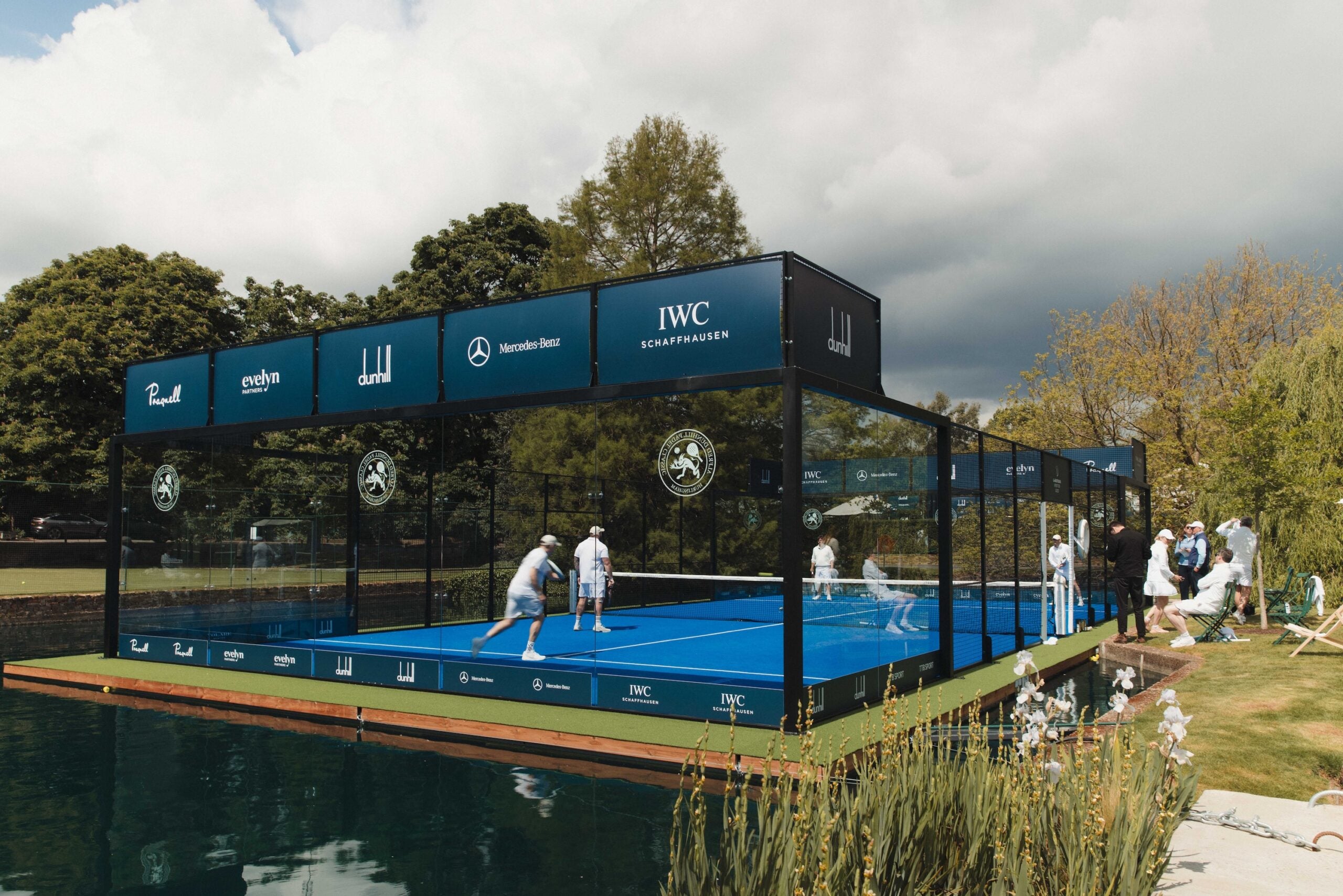
Described as a racket sport combining elements of tennis and squash, padel is played in pairs on an enclosed glass-and-mesh court, approximately one-third the size of a tennis court. The game utilizes solid, stringless rackets and low-compression balls.
“Padel is akin to mini doubles tennis—until the ball strikes the wall,” explains Worton. Players can allow the ball to bounce once before hitting it, using the walls to return it over the net.
The serve is underarm, and although scoring follows tennis rules, the gentle learning curve is a hallmark of the game. Most individuals find themselves enjoying a competitive game within their first session.
How is padel different from other racket sports?
The presence of walls significantly differentiates padel from traditional racket games. This aspect alters the dynamics of play, contributing to its increasing popularity.
The fast pace engages both players and spectators alike. “With continuous movement and thrilling exchanges, the experience is more vibrant compared to tennis or pickleball,” notes Moore. The enclosed court also reduces the need to chase after balls constantly.
Moreover, the play is more accessible as it provides a welcoming environment. “The smaller court size and emphasis on timing rather than physical strength enhance engagement,” observes Moore. This encourages players of various skill levels to find joy in the game.
“Tennis can be highly technical, while padel allows a novice to join a game, where they can rally within just half an hour of playing,” comments Grave.
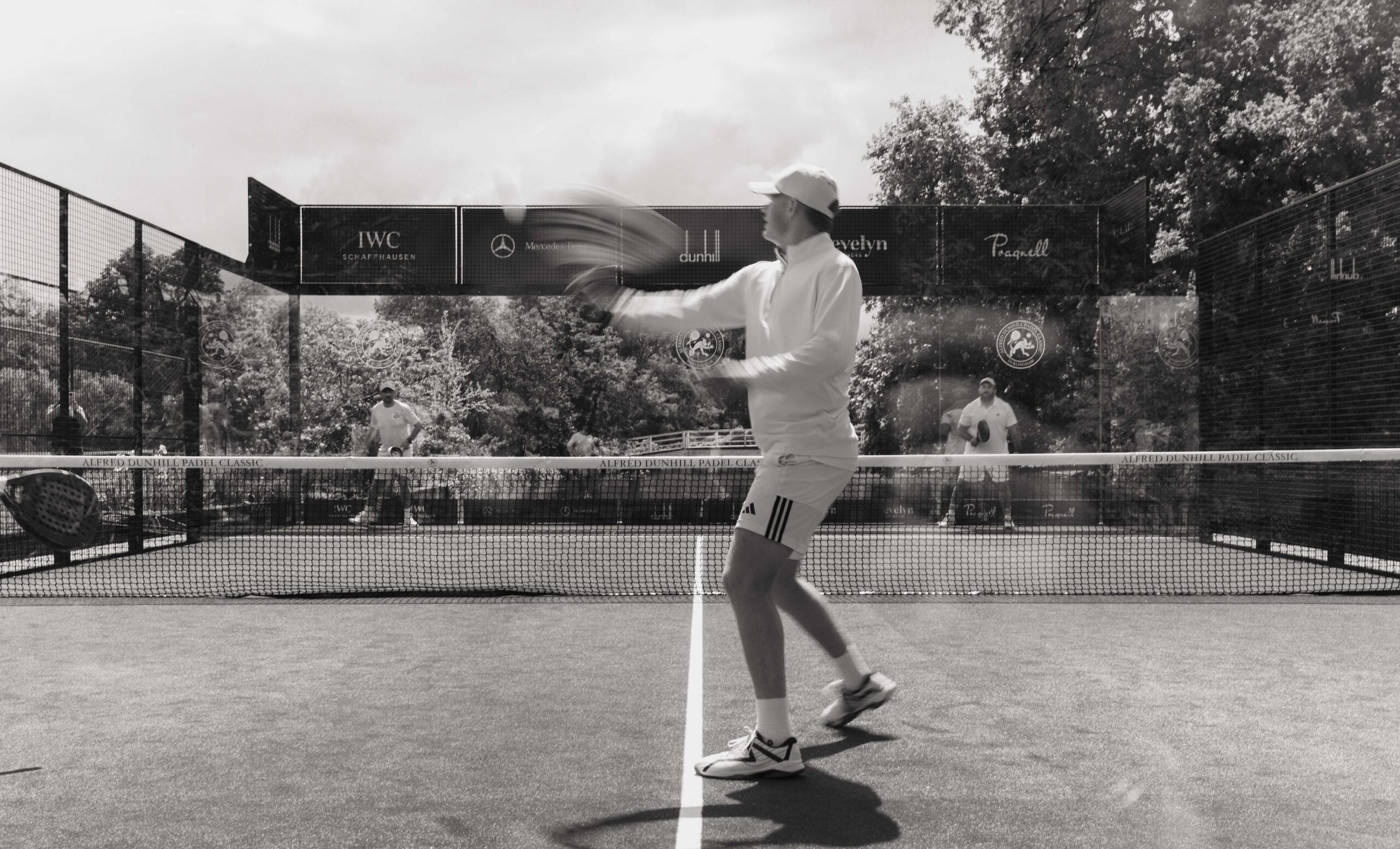
The underarm serve, a defining characteristic of the game, simplifies play. “Serving in tennis can take months to master, but many newcomers find enjoyment in just one session,” states Turner. This foundational accessibility contributes to padel’s emergence as a favored social pastime.
New players are encouraged to adopt a relaxed mindset, as the atmosphere surrounding padel tends to be supportive and community-focused. “Typically, there are four players in doubles, and the compact court fosters interaction between points,” Moore adds, promoting camaraderie during the match.
“This format accommodates mixed abilities, allowing family members and friends to engage in a fulfilling game together,” Turner explains.
Where did padel come from?
Padel’s origins trace back to the 1960s in Mexico, resulting from one man’s need for practicality. Enrique Corcuera reportedly constructed the first padel court at his home in Acapulco because he couldn’t fit a full-sized tennis court in his garden. By building walls around the smaller court, he created the sport, paving the way for its expansion.
Related Story

The game gradually gained popularity in Spain and Argentina over the last four decades and has recently “exploded globally,” according to Moore, particularly throughout Europe, the Middle East, and now even the United States. Grave identifies Italy, France, and Sweden as current hubs for the sport, while noting that the UK and Germany represent the final major markets yet to fully embrace it.
Considering the sport’s growth trajectory in the US, Carro anticipates its broader acceptance, particularly noting its emerging popularity in places like Miami. “The ingredients for success are present: a robust sports culture, millions of tennis and pickleball players, and a thirst for new social experiences,” he observes, though he admits the journey has just begun.