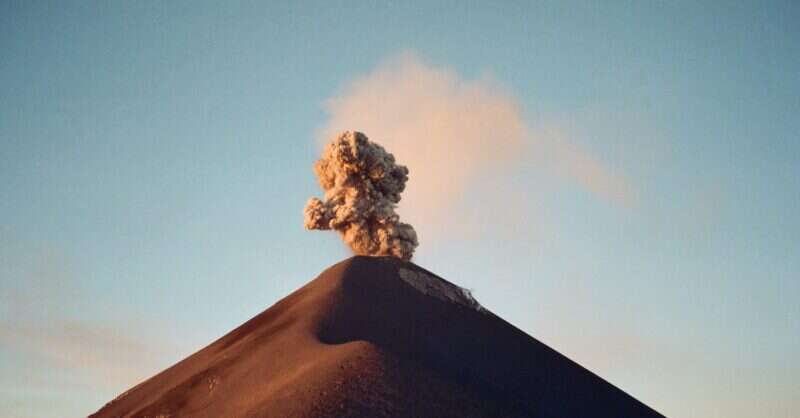
The allure of volcanoes captivates adventurers drawn to stunning vistas and the thrill of exploring raw geological forces. These natural wonders offer more than just a chance to witness eruptions; they hold stories that reshape environments and civilizations.
Dr. Tamie Jovanelly, a geologist and founder of Adventure Geology Tours, emphasizes that the fascination with volcanoes extends far deeper than the spectacle of an eruption. Visitors are often astonished to learn how deeply volcanoes have influenced human history. “Understanding their role in Earth’s renewal and their potential to alter landscapes fosters genuine interest,” she notes. When one indulges in fine wine from historic vineyards nestled near Mount Vesuvius, the connection to volcanic soil becomes clear—these soils nurture the very grapes that produce celebrated wines.
Even places where the volcanic foundation is subtle reveal their hidden stories. Take Santorini, for instance—many visitors admire its iconic white villages and sunsets without realizing they stand on the remnant of a colossal volcanic eruption. “If guests recognized they were on a volcanic island, their view of the surroundings would shift dramatically,” Dr. Jovanelly points out.
Adventurers can engage with these geological phenomena in various ways: trekking to the summit of Vesuvius, exploring the ancient magma chamber in Iceland, or walking through landscapes still marked by geothermal activity.
Essential Insights Before Visiting a Volcano
Many harbor the misconception that being near an active volcano guarantees an eruption. “Volcanoes operate within cycles, and their timelines vary,” Dr. Jovanelly explains. “As a geologist, there are signs that indicate potential activity, but it’s ultimately on its own schedule.”
It’s crucial for travelers to note that not all volcanoes exhibit the same behavior. While explosive types like Yellowstone or Mount Fuji are known for significant eruptions, others, such as Costa Rica’s, offer safer observation points for witnessing milder volcanic activity. Knowing these distinctions aids visitors in selecting destinations that enhance their interests—be it for photography, hiking, or geology.
Popular offerings in volcano tourism include Iceland, known for its often-viewable eruptions, and Costa Rica, boasting thermal features like hot springs and fumaroles. These locations present an entry into the dramatic world of volcanology without the potential dangers of major eruptions.
For those planning a visit, staying informed through volcano monitoring websites, like the Smithsonian Institution’s Global Volcanism Program, is advisable. They provide crucial insights into volcanic activity, alert levels, and access constraints.
Exploring Captivating Volcanoes Safely
-
Mount Vesuvius, Italy
Mount Vesuvius, with its dramatic history, offers a hiking experience like no other. The eruption in AD 79 famously buried Pompeii and Herculaneum, but the hike along the caldera rim remains a focal point for many. “It’s a unique experience, where you’re truly aware that you’re navigating a volcano,” Dr. Jovanelly states.
Situated near Naples, Vesuvius is remarkably accessible. Visitors can drive or take a shuttle to enhance their ascent, which culminates in a brief walk to the summit. As hikers traverse the path, volcanic remnants serve as potent reminders of its past, while scenic viewpoints provide glimpses into the heart of the volcano.
The summit rewards trekkers with expansive views across the Bay of Naples—on clear days, islands and cities including Pompeii, Naples, and Capri can be seen.
-
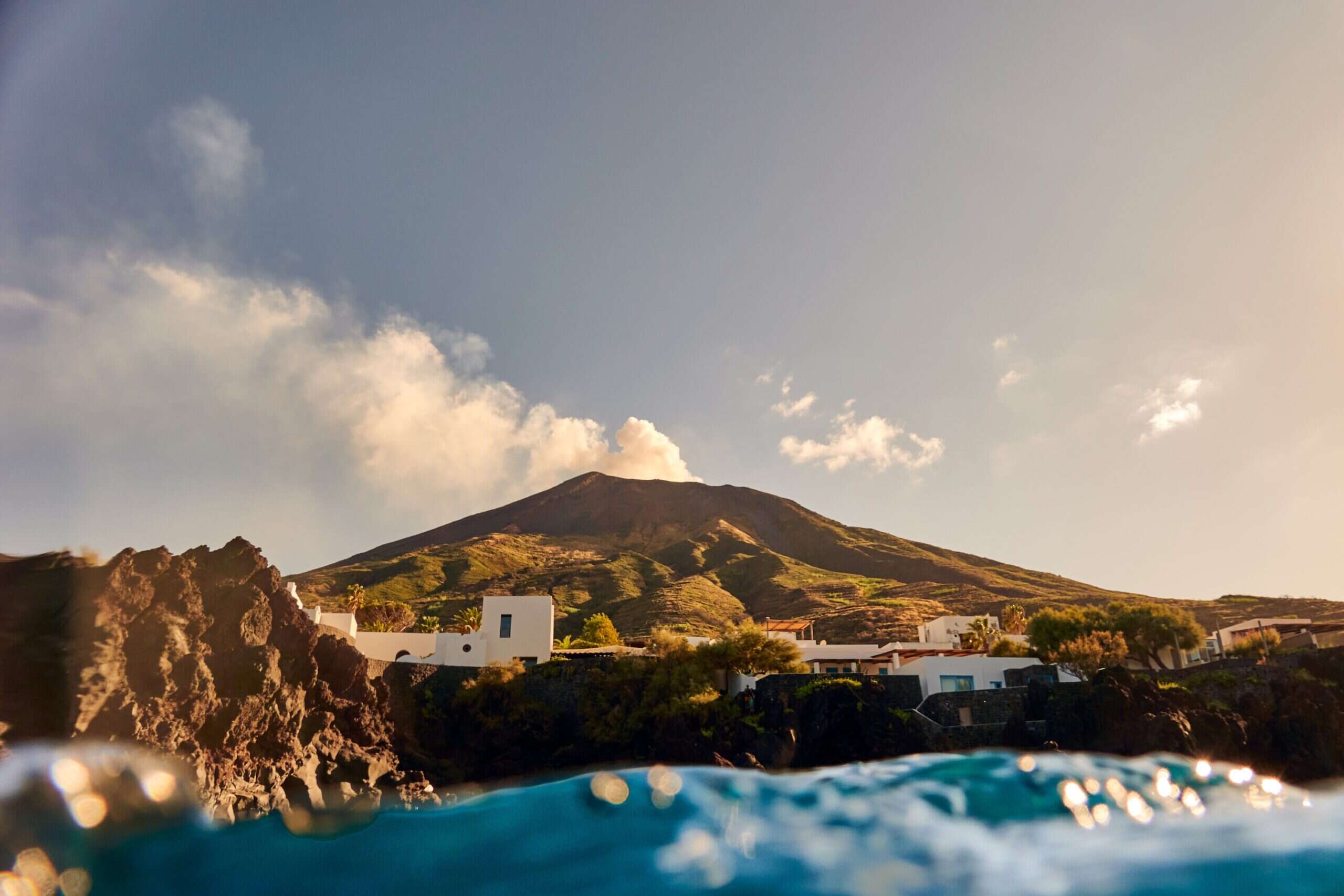
Mount Stromboli, Italy
To witness active volcanic activity, Mount Stromboli stands unrivaled. Nestled in the Tyrrhenian Sea, this volcano has been steadily erupting for nearly two millennia, earning it the nickname “The Lighthouse of the Mediterranean.” Stromboli’s regular bursts of activity send molten fragments and ash skyward throughout the day and night.
-
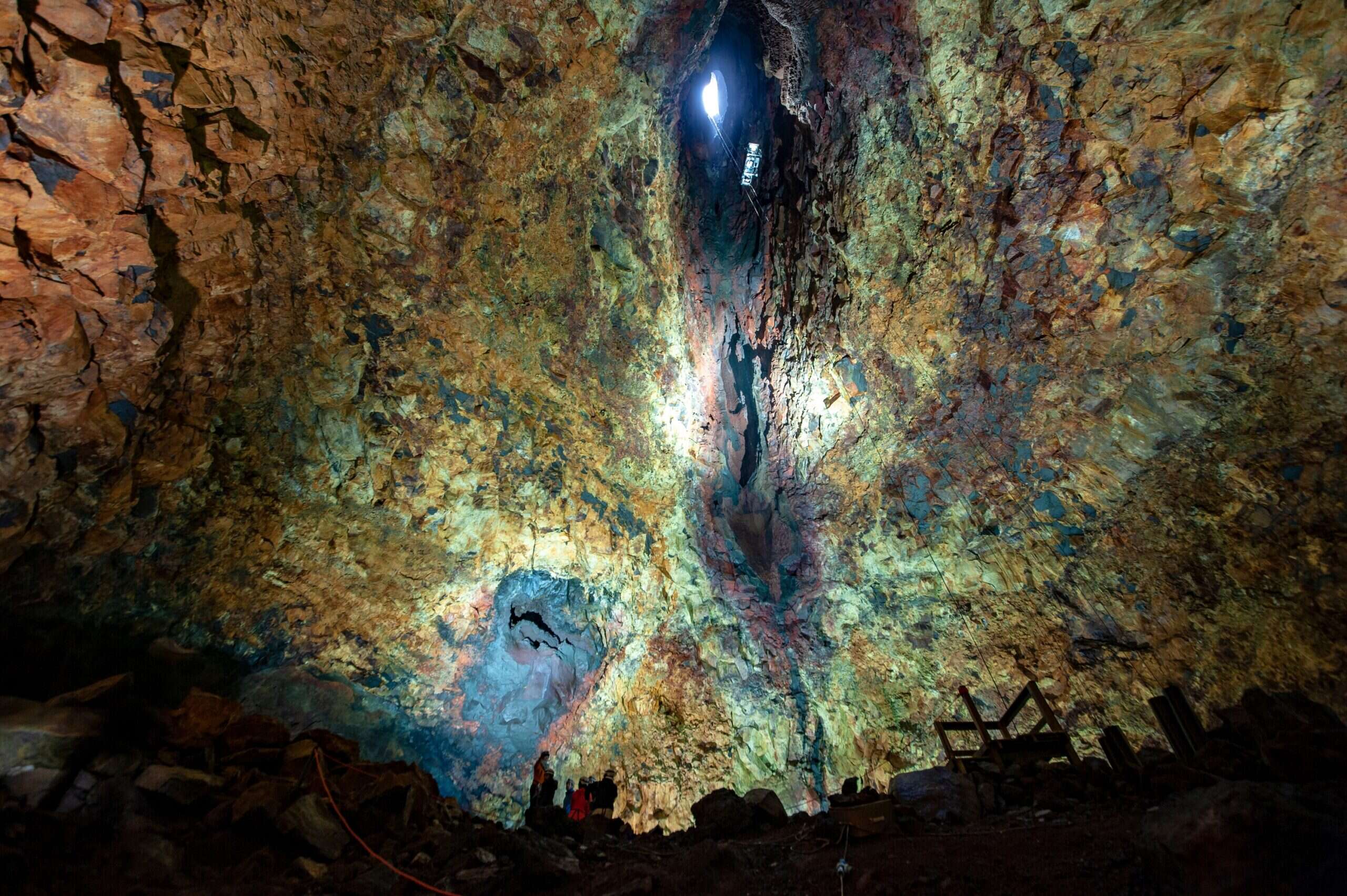
Þríhnúkagígur, Iceland
Iceland remains a top choice for keen photographers and aspiring volcanologists. With its abundant volcanic formations, the landscape itself is a visual feast. Dr. Jovanelly recommends the country, noting its unique feature: Þríhnúkagígur, the only place on Earth where one can safely enter a dormant magma chamber.
Visitors descend into this cavernous chamber via a cable lift, revealing walls adorned with vibrant mineral hues. The extended daylight hours during summer provide excellent photography conditions, allowing enthusiasts to capture the raw beauty of Iceland’s volcanic heritage.
-
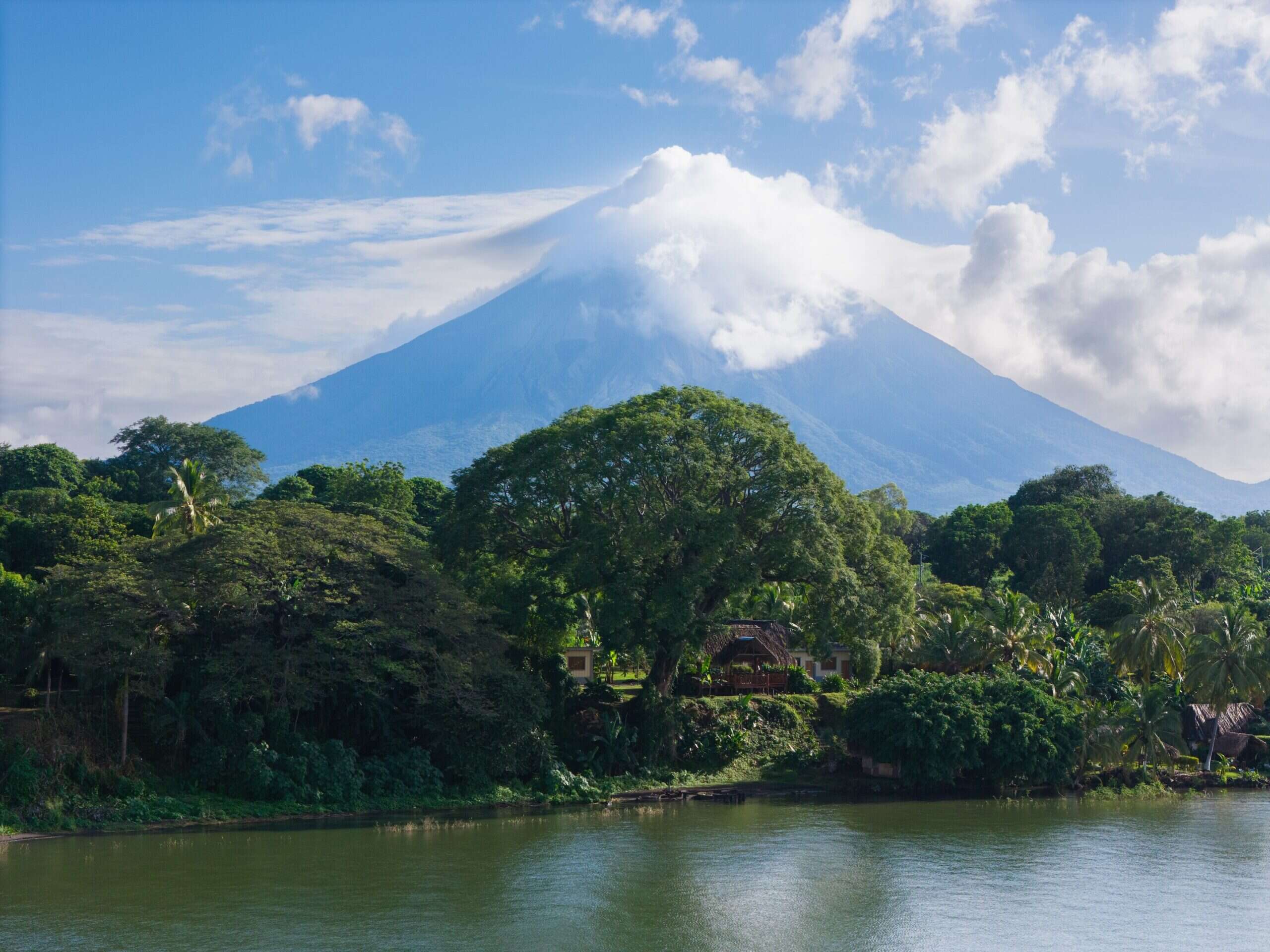
Ometepe, Nicaragua
For those seeking an alternative experience, Ometepe, an island formed by two volcanoes in Lake Nicaragua, stands out. With its lush tropical forests and volcanic terrains, the island offers varied hiking experiences. Concepción, an active volcano, stands at 5,280 feet and is known for its imposing shape. Though it emits vapor, it is generally safe to climb with a guide.
On the other hand, Maderas is dormant and blanketed with dense vegetation. At 4,573 feet, it boasts a crater lagoon hidden within cloud forests, creating a different kind of trek. Hikers on Ometepe encounter drastically different environments while enjoying the serenity of this unique archipelago.
-
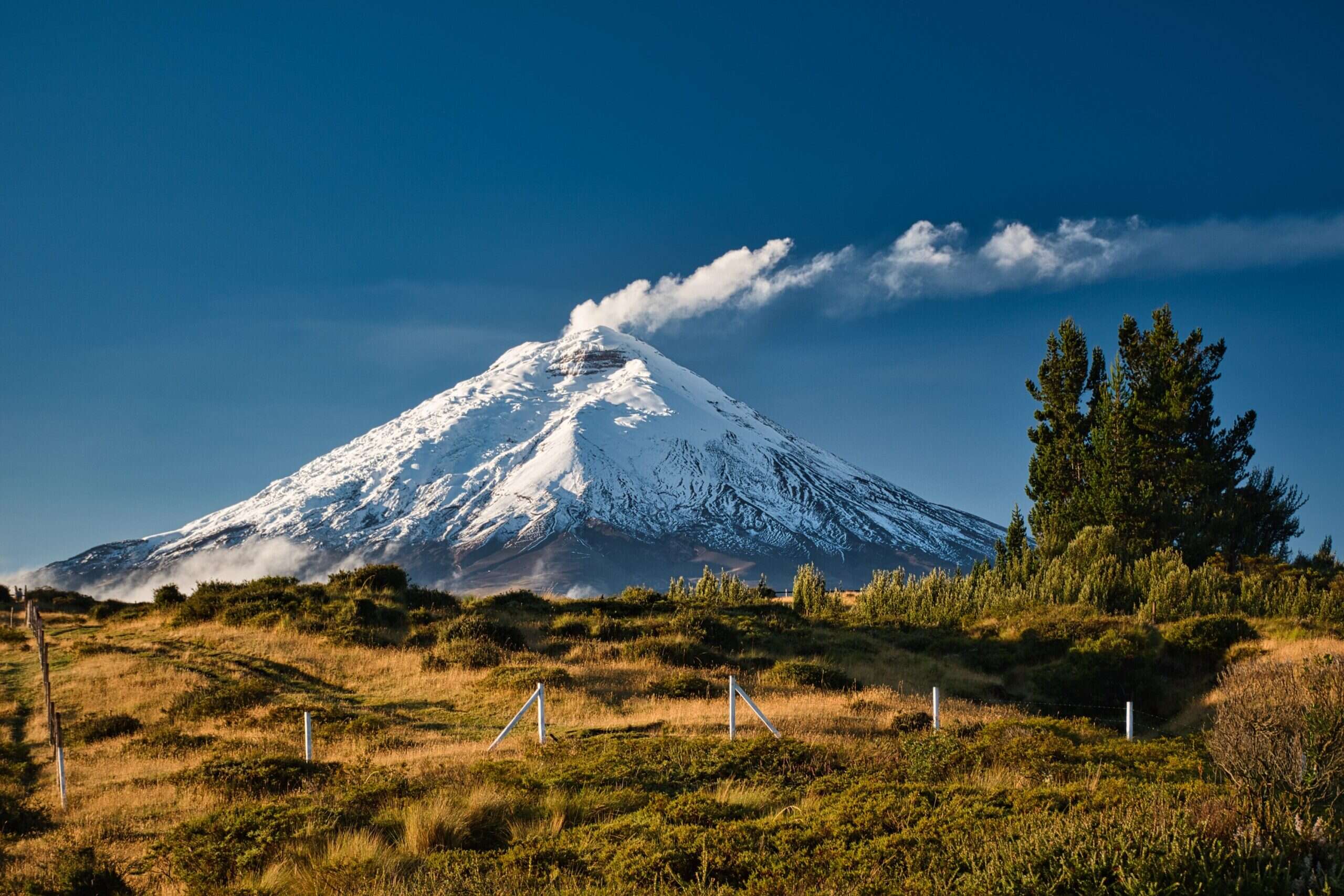
Cotopaxi, Ecuador
Cotopaxi, located just south of Quito, is among the easiest volcanoes to access while still offering breathtaking beauty. This active volcano, with its iconic snow-capped peak, stands at a lofty 19,347 feet. While skilled climbers may seek to reach its summit, the national park surrounding Cotopaxi invites visitors to hike, cycle, or ride horses amidst diverse wildlife.
The tranquil Laguna Limpiopungo offers a simple yet stunning place to appreciate the volcano. An easy walking trail encircles the lake, and on bright days, the mirror-like water reflects the impressive peak.
-
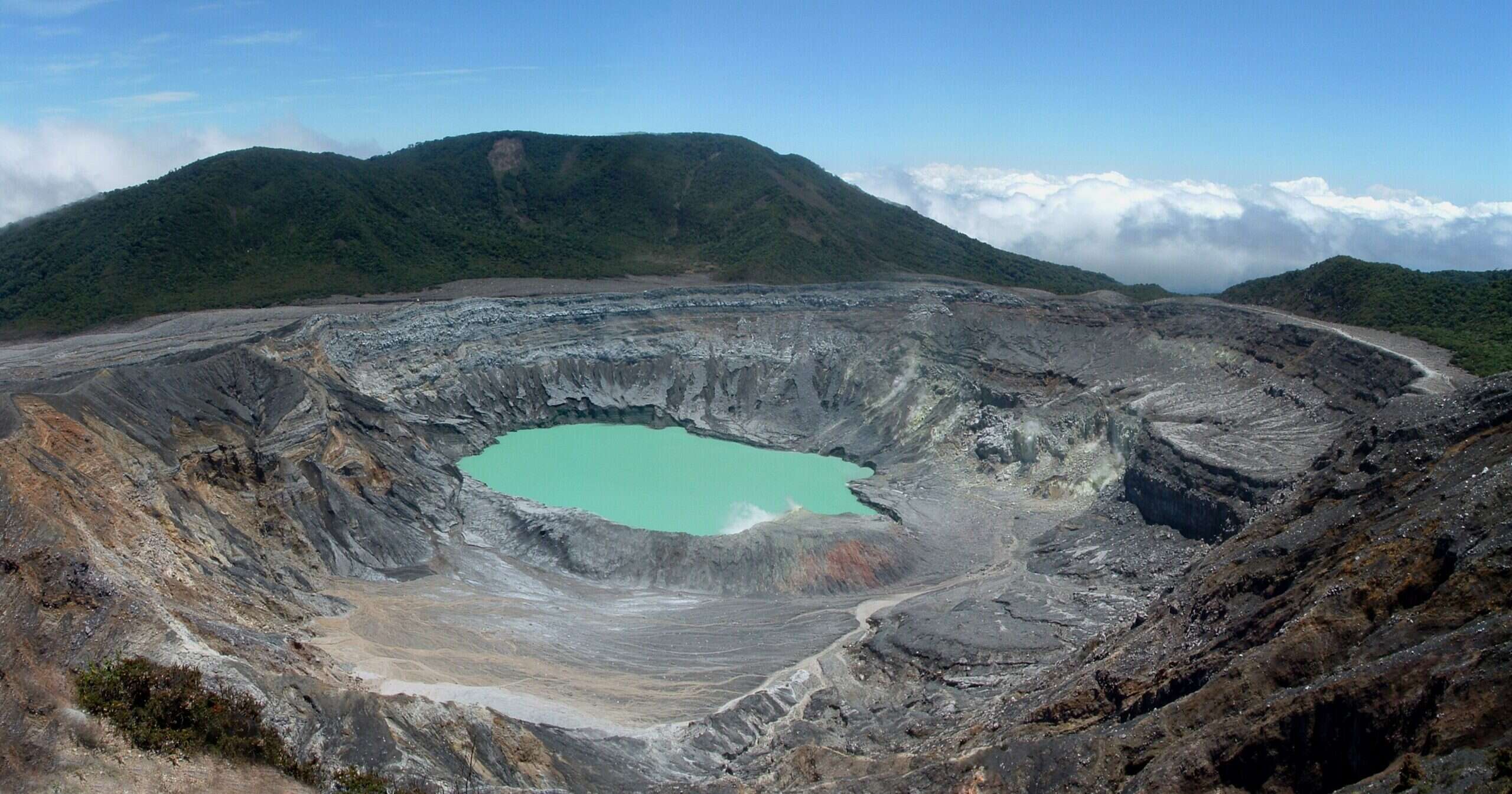
Poás Volcano, Costa Rica
Costa Rica provides a distinct volcanic encounter. As Dr. Jovanelly explains, while one might not see molten lava, the experience offers sulfur smells and geothermal features that articulate the volcanic character of the landscape. Poás, located in a national park within easy reach of San José, features a large active crater with an acidic lake and ample steam rising from fumaroles.
The primary crater spans 1.3 to 1.5 kilometers in width, plunging over 300 meters deep. On clear days, hikers can gaze into the steaming waters, while a short trek to Botos Lagoon reveals a serene cold crater surrounded by rainforest.
-
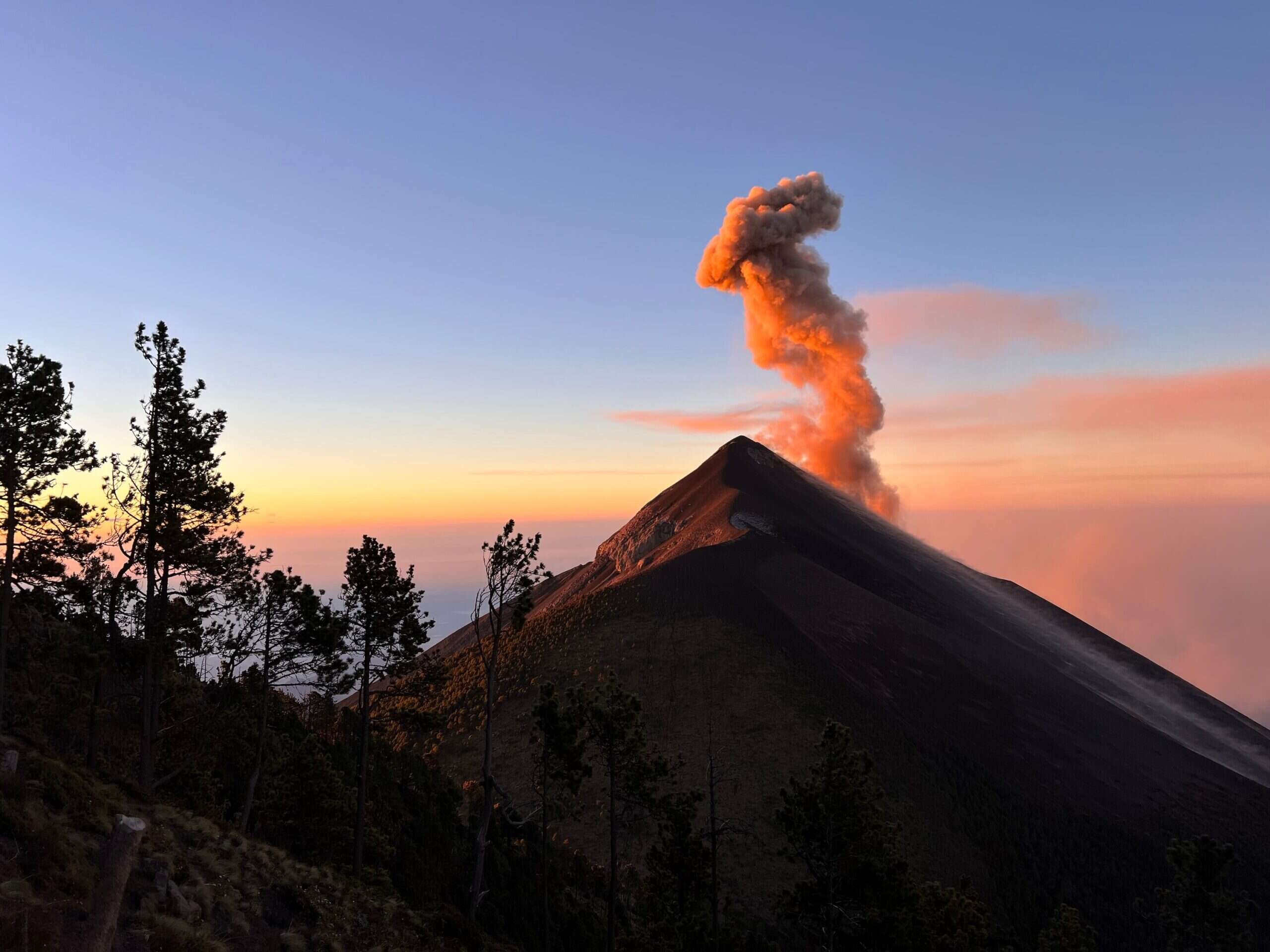
Acatenango Volcano, Guatemala
For avid hikers, Acatenango serves as a must-visit destination. Located near Antigua, this hike promises one of the most stunning volcanic experiences in Central America. Situated close to its active neighbor, Fuego, climbers often approach Acatenango for overnight excursions, culminating in impressive volcano views.
The trek progresses through diverse landscapes, ranging from farmland to pine forests, before reaching elevations that challenge adventurers. Most trips include a pause at camp along the upper slopes, leading to a sunrise summit climb.
A primary attraction is the opportunity to witness Fuego’s eruptions from a campsite, where local bursts of ash and glowing lava can illuminate the night sky, accompanied by deep rumblings that resonate across the ridge.