The Indian Ocean nation of Mauritius has recently announced a Golden Visa program aimed at attracting just 100 wealthy individuals each year. Prospective applicants must invest a minimum of $1 million within a year of arriving to gain long-term residency benefits.
This initiative positions Mauritius alongside a growing selection of countries vying for global wealth as investors and entrepreneurs increasingly seek opportunities beyond their borders. However, potential residents should carefully consider the realities of life, business, and investment in Mauritius before making such a significant decision. Experts emphasize a need for correct information.

Tax Advantages in Mauritius
A notable draw of Mauritius is its favorable tax framework. The country does not levy capital gains tax, inheritance tax, or wealth tax, making it an attractive location for expatriates. Virginie Faucon, an expert at AXA Global Healthcare, points out that both personal and corporate tax rates are generally uncomplicated, offering predictability for entrepreneurs and investors.
However, there is a widespread misconception that moving to Mauritius negates tax obligations in other jurisdictions. Tax residency rules can vary significantly by country, and many have intricate requirements concerning foreign income and residency status. Individuals and families contemplating a move to Mauritius are advised to obtain prudent legal and financial guidance.

Lifestyle Considerations
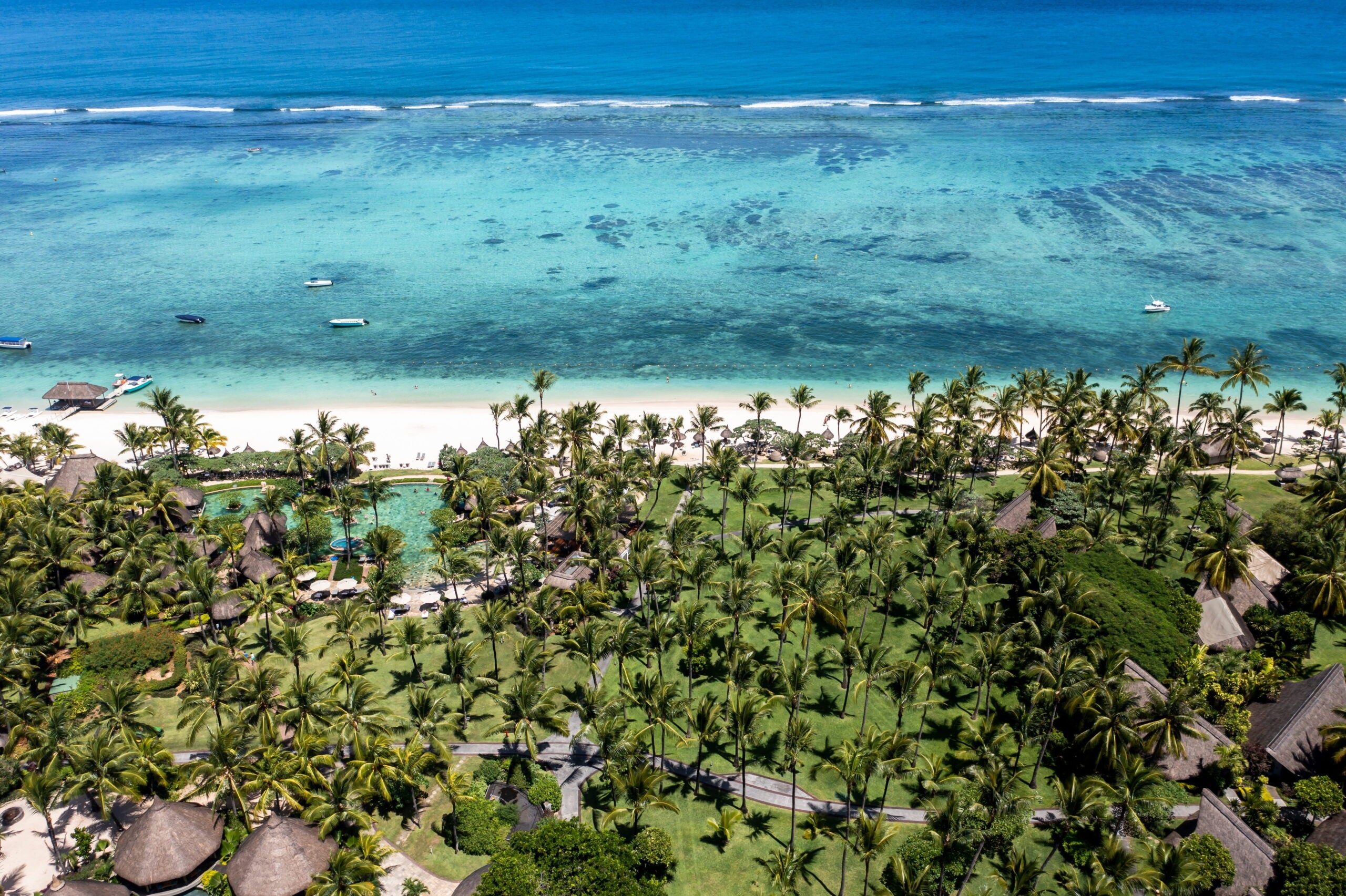
While tax matters often dominate discussions, many expatriates cite lifestyle as their foremost reason for relocation. Mauritius boasts warm weather year-round, stunning beaches, and a low crime rate. English and French are commonly spoken, easing integration for international residents. The island’s diverse society integrates influences from Africa, India, Europe, and China, making it a culturally rich environment.
Although property prices in desirable coastal regions are on the rise due to increased foreign interest, daily expenses—particularly for imported goods and luxury items—tend to be lower than those in many Western cities. Faucon notes that recent research indicates access to high-quality private healthcare and robust medical infrastructure is increasingly significant for high-net-worth individuals, and investments in these areas have been substantial.
Nevertheless, Mauritius’ compact size may feel restrictive for some. Individuals accustomed to the vibrancy and variety found in major metropolises might find the pace of life on the island slower than anticipated.
Economic Landscape of Mauritius
Strategically located between Africa and Asia, Mauritius is poised to benefit from the economic growth of these two regions in the coming years. The country is recognized as one of Africa’s most business-friendly environments, consistently ranking well for ease of doing business, governance, and economic freedom compared to regional counterparts. Faucon remarks that Mauritius excels as a financial center, supported by a reputable legal framework and a stable democratic system.
The legal structure incorporates elements from both French civil law and English common law, creating familiarity for international investors. While Mauritius maintains a robust regional economy, career prospects outside certain industries may be limited. Its economic base relies heavily on tourism, financial services, manufacturing, and real estate.