Michelin’s influence on dining preferences for travelers extends back over a century. Recently, it has broadened its scope, reaching into the realm of hospitality with its introduction of Keys for hotels and special recognitions for exemplary cocktails and service. Embracing this expansion, the Guide now also provides guidance on wine selections.
At an event held last night in Dijon, the inaugural Michelin Grapes were launched, celebrating Burgundy’s top wine estates. In this initial publication, nine domaines achieved the prestigious Three Grapes distinction, among them Domaine de la Romanée-Conti, Domaine Leroy, Coche-Dury, and Roumier. Additionally, 20 estates garnered Two Grapes, 33 earned One Grape, while 32 were designated as Selected estates. According to Michelin, this new classification honors producers whose quality remains consistent year after year, taking into account factors such as viticulture, winemaking, terroir expression, and aging potential.
The relationship between fine dining and fine wine has always been evident. Recognizing the individuals behind acclaimed vineyards is a logical progression for a guide that already evaluates restaurants and hotels.
However, as Michelin ventures into this territory, it faces the challenge of entering a space already rich with established wine critics, publications, and longstanding classifications. In contrast to food, wine enjoys no shortage of prominent evaluators.
See also: How the Prestigious Michelin Star System Really Works
Jason Haynes, founding director of London-based wine importer Flint Wines, notes the importance of Michelin’s credibility. He remarks that the revered third star remains an aspiration for chefs and food enthusiasts alike. With the right reviewers on board, there is no reason Michelin can’t replicate this influence in the wine sector.
Yet, credibility alone does not guarantee success. Haynes emphasizes the need for Michelin to stay relevant, suggesting that wine trends evolve much faster than traditional classifications often accommodate. He insists that the Guide should be prepared to adapt its ratings to reflect improvements or declines among domaines.
The Michelin Star gained prominence not merely because of its designation but through collective acceptance from generations of chefs and diners as the benchmark of culinary excellence. Creating a similar level of recognition in the wine industry presents a more complex challenge.
Michelin has attempted to innovate before, such as with the Green Star introduced in 2020. This initiative recognized sustainability efforts rather than culinary prowess and received positive industry feedback before being quietly retired earlier this year. Similarly, the hotel Keys have seen a more stable reception, yet neither has achieved the cultural impact of the Michelin Stars.
This prompts a critical question: how many distinctions can Michelin realistically maintain before they risk competing against one another?
See also: What Wine To Order At Dinner, According To Sommeliers
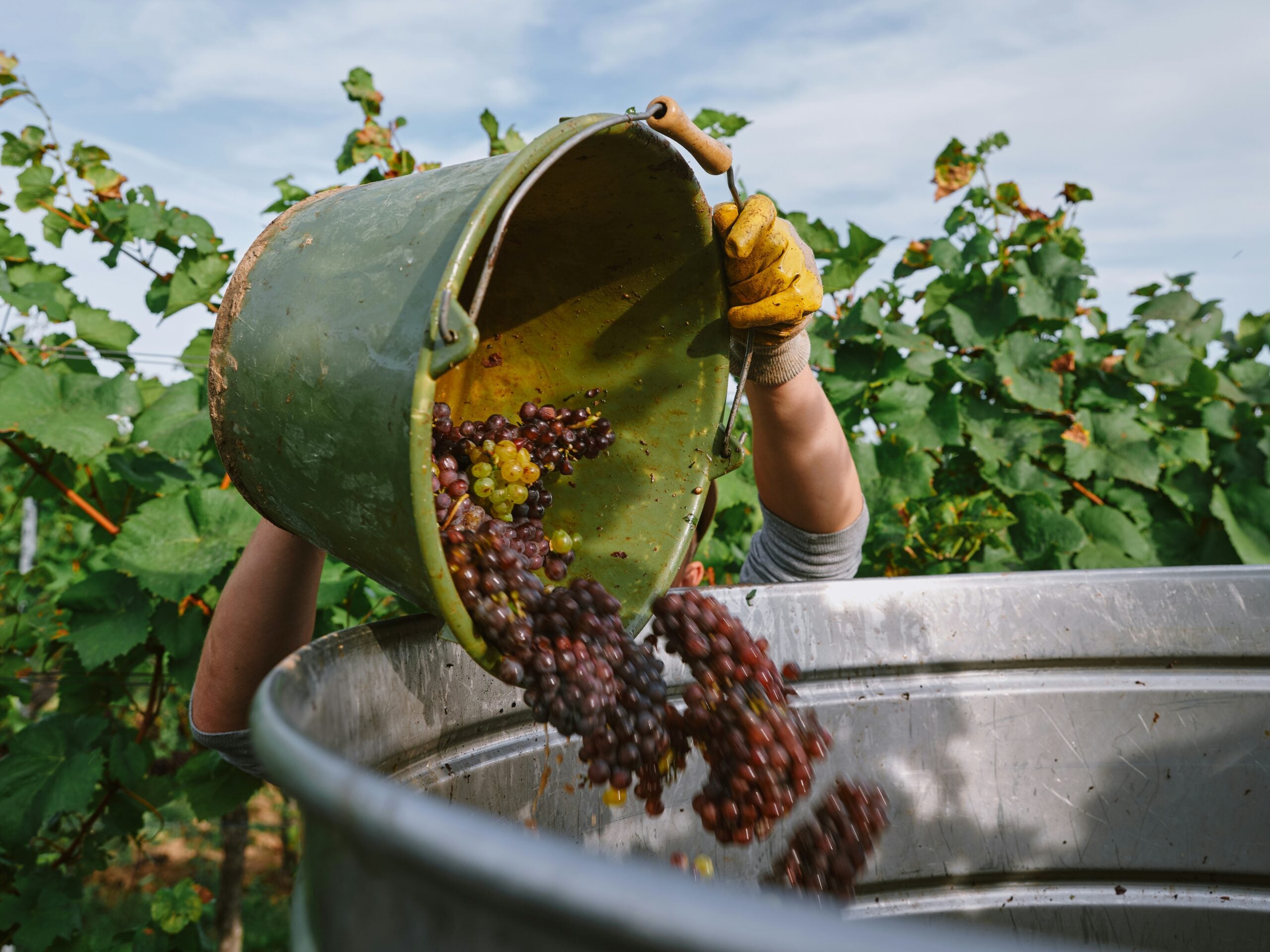
Clément Cousin, a sommelier at Bavette, raises a pertinent point regarding the types of vineyards that Michelin will choose to highlight. He questions whether the Guide will favor large, established wine companies or smaller, lesser-known producers in need of recognition.
José Marta, head sommelier at W Algarve, believes that the nature of these selections will be crucial for the awards’ ongoing significance. He argues that if Michelin explores the depths of the wine world to uncover outstanding yet underappreciated producers, it will quickly gain relevance. However, if it merely recognizes already celebrated vineyards, the awards may struggle to find traction.
Richard, founder of Wanderlust Wine, reinforces the idea that Michelin’s reputation alone is not enough for success. He comments that credibility is not a given; it must be earned over time. Michelin’s authority was established through its culinary assessments, not from wine evaluations.
At present, Michelin’s selections have not stirred much controversy. The recognition of revered estates like Domaine de la Romanée-Conti and Domaine Leroy for Three Grapes is widely accepted. The real challenge lies ahead: encouraging exploration into lesser-known vineyards could solidify the Grapes’ status or otherwise risk becoming just another insignia for wineries to flaunt.