Marilyn Monroe endures as an iconic figure, her likeness continuously replicated across media, often overshadowing the woman behind it. A significant exhibition at London’s National Portrait Gallery aims to reclaim her narrative and delve into her personal identity.
Marilyn Monroe: A Portrait, organized in collaboration with the Marilyn Monroe Estate, commemorates what would have been her centennial by exploring her life, career, and lasting cultural influence through portraits from notable photographers and artists, including Andy Warhol, Pauline Boty, and Marlene Dumas.
This exhibition transcends mere displays of iconic images. It aims to present Monroe as an active participant in shaping a powerful celebrity identity. Curator Rosie Broadley states that the exhibition intends to move beyond the ubiquity of her image in commercial merchandise to reveal the craftsmanship behind these key photographs.
Broadley emphasizes that the exhibition engages with Monroe through the lens of portraiture, highlighting her role not merely as a subject but as an influencer in creating her own image. As visitors encounter her likeness in various contexts, they are invited to reconnect with the foundational moments of her representation.
Monroe’s deep understanding of photography, from posing to lighting techniques, contrasts with the superficial perceptions often held about her image. Broadley notes that many photographers have shared intriguing insights about their collaborations with Monroe, revealing her acumen in engaging with the camera.
The exhibition also explores Monroe’s impact on the artistic community, illustrating her evolution from film star to cultural icon. The early artistic depictions of Monroe underscore her relevance even during her lifetime, coinciding with Pop Art and a rapidly changing media environment.
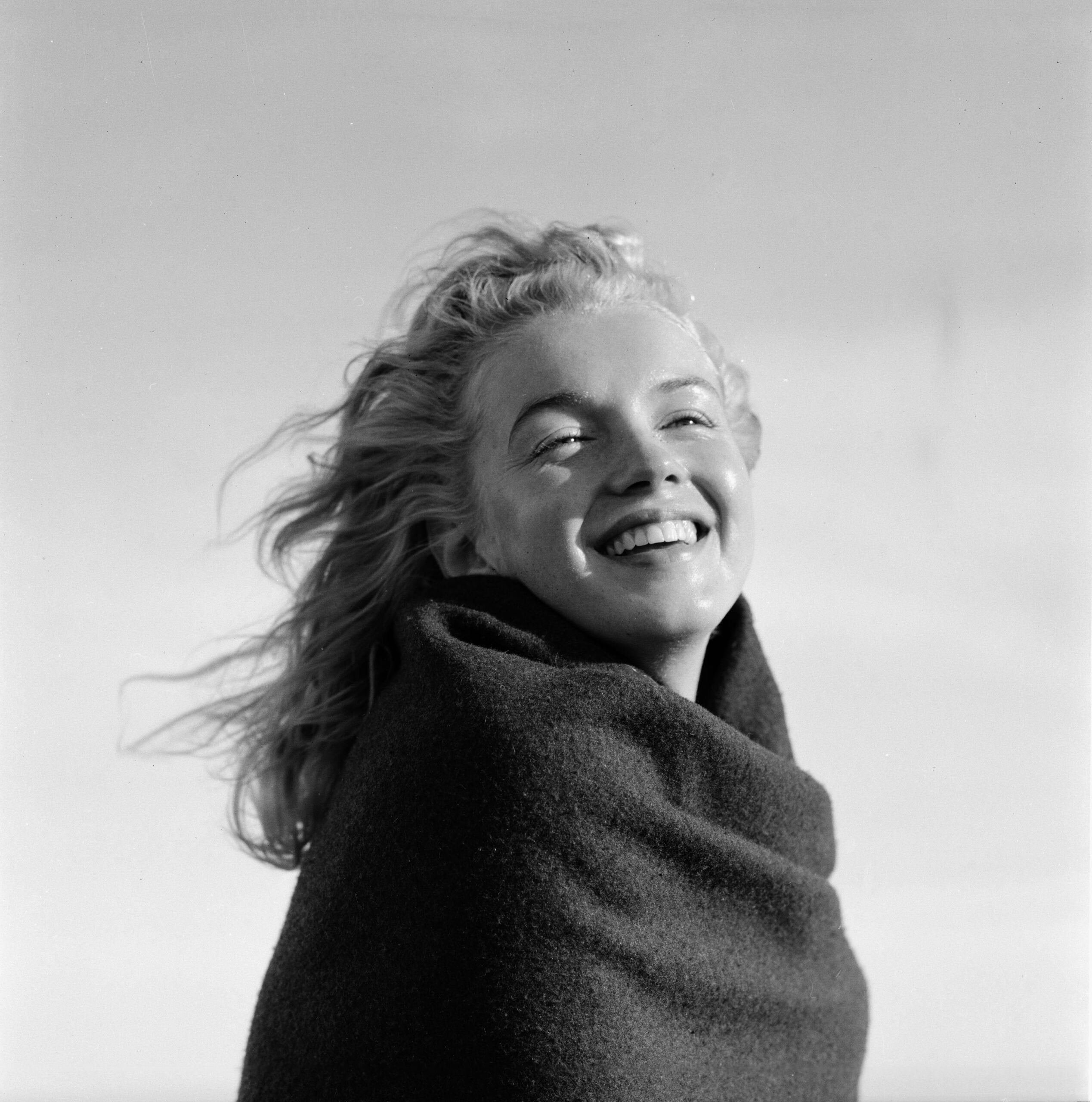
The exhibition begins with an intimate artifact: a self-portrait taken in a photo booth when Monroe was 15 and still called Norma Jeane Mortenson. Without the intervention of a photographer, this candid image allows a glimpse into her early exploration of glamour as she later transformed into an enduring global icon.
A contrasting late-period portrait by Warhol highlights the stark difference between her youthful self and the persona she would come to embody. Broadley describes it as a commentary on the “mask of celebrity” that Monroe represented.
The narrative of the exhibition unfolds to illustrate Norma Jeane’s metamorphosis into Marilyn Monroe, the complex dynamics of fame surrounding her, and ultimately, the circumstances of her passing.
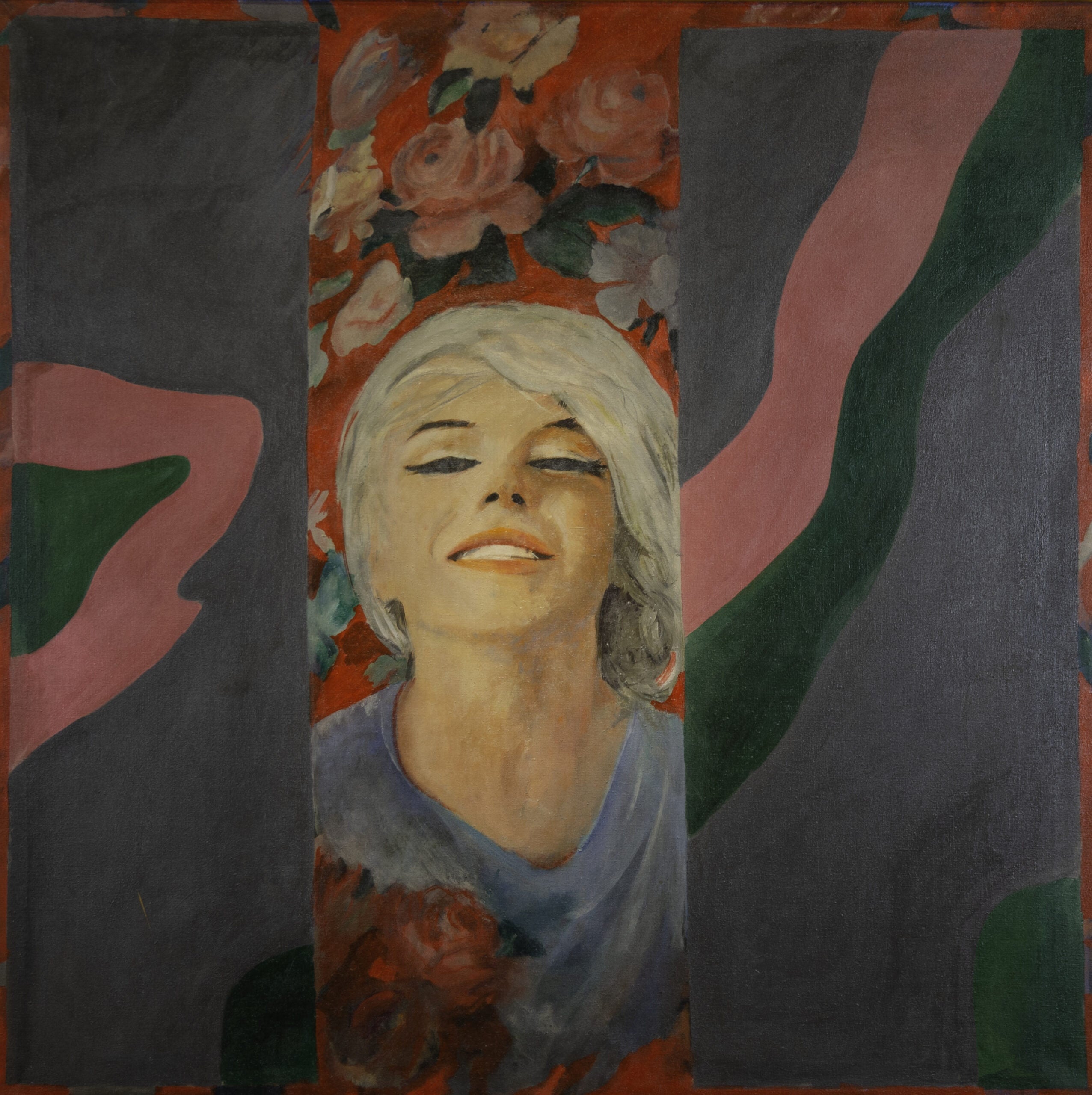
Despite the focus on celebrity culture and the mythologizing of Monroe, the exhibition emphasizes her humanity. Broadley hopes visitors will find joy in Monroe’s story, highlighting her remarkable talent for conveying happiness despite her life’s challenges.
To bring forth Monroe’s personal side, the exhibit showcases various belongings, including scripts, footwear, and costumes—a notable gown from The Prince and the Showgirl among them, along with a glamorous dress she favored in public appearances.
As visitors contemplate the intricacies of her life, the irony remains apparent. Following an exhibition aimed at uncovering the real Marilyn, guests are ushered into a shop filled with Monroe-themed merchandise, from tote bags to collectible books, underscoring her status as one of history’s most marketable figures. The line between the woman and the icon feels permanently blurred.