The realm of space travel is transforming, transitioning from an elite pursuit into a more accessible experience for the public. This shift is embodied in Ras Al Khaimah’s upcoming astronaut training program, a collaboration between Blinc Space and Action Flight Aviation. Designed to simulate astronaut experiences, it offers participants the chance to engage in activities that replicate the intense conditions of space.
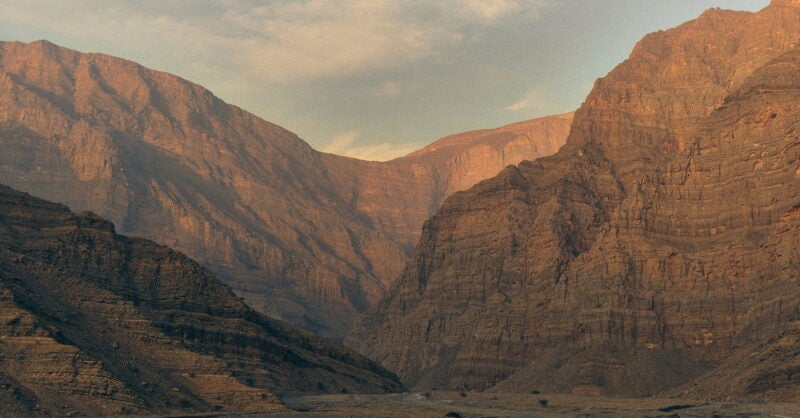
This educational endeavor will immerse attendees in encounters such as high G-force flights and aerobic exercises that evoke the challenge of external Earth’s atmosphere. Additional components include freefall and parachute jumps, as well as mental agility tests set against the backdrop of Ras Al Khaimah’s distinct desert and mountainous terrain. However, it is critical for those interested to understand that this program does not reflect the rigorous training that professional astronauts undergo.
The experience is purely simulatory and serves to recreate the sensations associated with astronaut training rather than equipping participants for actual space missions. Those engaged will not gain any qualifications recognized by space organizations. Instead, this initiative aligns more closely with adventure tourism, leveraging the framework of astronaut training to deliver a captivating, aspirational venture.
As stated on Blinc Space’s platform, these activities are gateways into the realm of private space exploration, aiming to spark educational and innovative pursuits. Interest in commercial astro training is likely to escalate as civilian space travel approaches viability. In the UK, for instance, Blue Abyss is constructing a 164-foot pool for extreme condition testing, while Orbite has secured funding to develop its own astronaut experiences with plans for a campus by 2027. Neither of these ventures intends to transport individuals into space; rather, they focus solely on preparation.
Notably, while NASA’s Artemis II mission showcases the unifying potential of space exploration, private initiatives seeking to transport everyday people into orbit have encountered challenges. Virgin Galactic has suspended its flights to concentrate on testing following a high-cost price structure for its sub-orbital experiences. Meanwhile, Blue Origin has halted operations after a rocket explosion, which the company deemed an “anomaly.” For the moment, parachuting in a remote desert location may provide the most tangible taste of what it means to live like an astronaut.