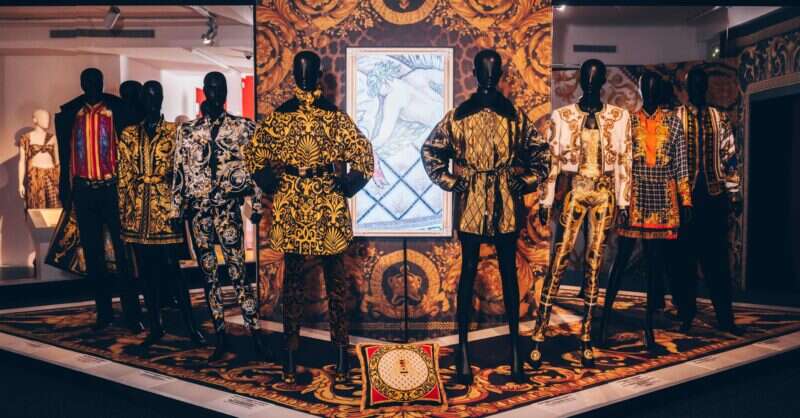
At the newly opened Gianni Versace retrospective in Paris’s Musée Maillol, a quote greets visitors: “You will find me in my work.” This phrase serves as both a preface and an invitation, prompting attendees to delve into the life of the iconic designer through his remarkable creations.
Curator Karl von der Ahé describes the exhibitions as emotional experiences, emphasizing the focus on Gianni Versace as a person rather than merely the brand. “This is about a man, his products, and his personality,” he explains, underscoring the importance of authenticity and individual connection. The retrospective officially opened on June 5, heralding a journey that moves beyond brand recognition to the essence of Versace himself.
To encapsulate this narrative, von der Ahé and fellow curator Saskia Lubnow have curated a collection of 450 original works, including garments, accessories, sketches, and photographs, forming one of the most thorough exhibitions dedicated to the late designer.
The retrospective has traversed Europe, having previously been showcased in countries like the Netherlands, Poland, Germany, Sweden, and Spain. However, the Paris presentation is not a simple repetition of past displays. “That would be very boring for us,” von der Ahé remarks. The Paris iteration features additional items and a revamped setup, highlighting Versace’s ties to the French capital.
Among the notable additions to this collection is a dress worn by Grace Jones, which has not been publicly displayed since the late 1980s, alongside the iconic Marilyn Monroe motif dress famously captured by Madonna in a photograph by Mario Testino. “It’s a significant piece for understanding how Gianni Versace engaged with art history,” von der Ahé asserts, considering it one of the exhibition’s highlights.
This expanded focus is particularly appropriate given Paris’s central role in Versace’s story. “Paris is the city of fashion, and we delve into Versace’s connections with this city and France,” von der Ahé states. The exhibition layout reflects this importance, incorporating runways that guide visitors through various thematic sections, tracing the designer’s inspirations from the bold modernism of the 1980s to the lavish black and gold Baroque designs synonymous with Versace, culminating in references to his final Paris show.
Realizing this vision involved more than just clever design. Many key pieces reside in private collections, making it essential to persuade owners to lend their garments for display. “It was challenging to convince the seller that we absolutely needed this Grace Jones dress,” von der Ahé admits. He elaborates that many collectors share a deep emotional bond with these pieces, connected to memories rather than mere fashion or financial value. Exhibiting them brings these items back into the public eye, away from the confines of closets.
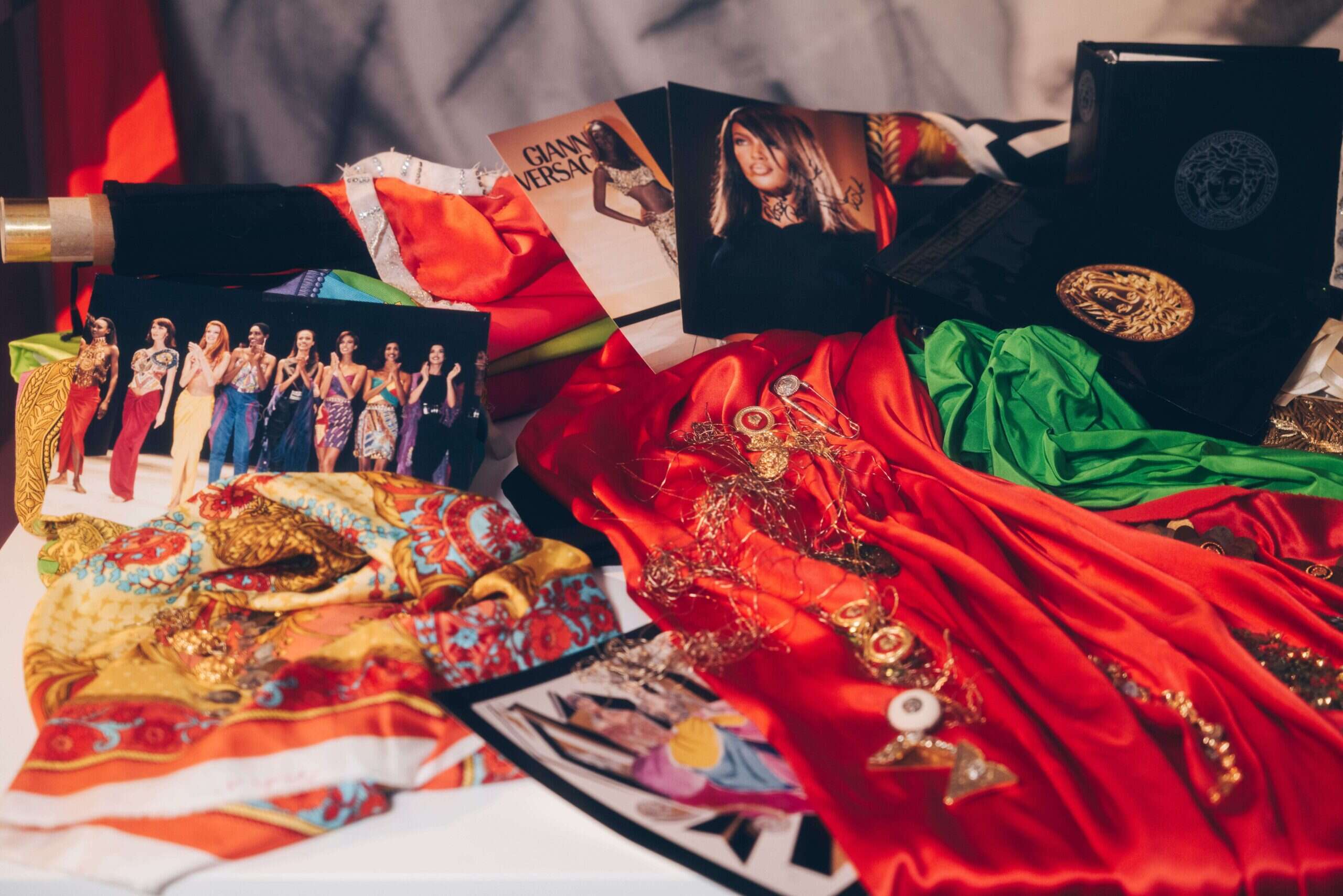
This collaborative aspect shapes the essence of the retrospective, with collectors invited to openings to view their pieces reinterpreted in the context of Versace’s legacy. “It’s a kind of very Italian la famiglia,” von der Ahé suggests, emphasizing the connections established through Gianni Versace.
Focusing solely on Gianni Versace’s oeuvre, the exhibition draws a clear line around the period it examines. Despite Donatella Versace’s leadership of the brand following her brother’s tragic death in 1997, the retrospective centers exclusively on his contributions up until that point. “We are discussing the work created until July 15, 1997,” von der Ahé clarifies. “The 1997-98 collections are as far as we go.”
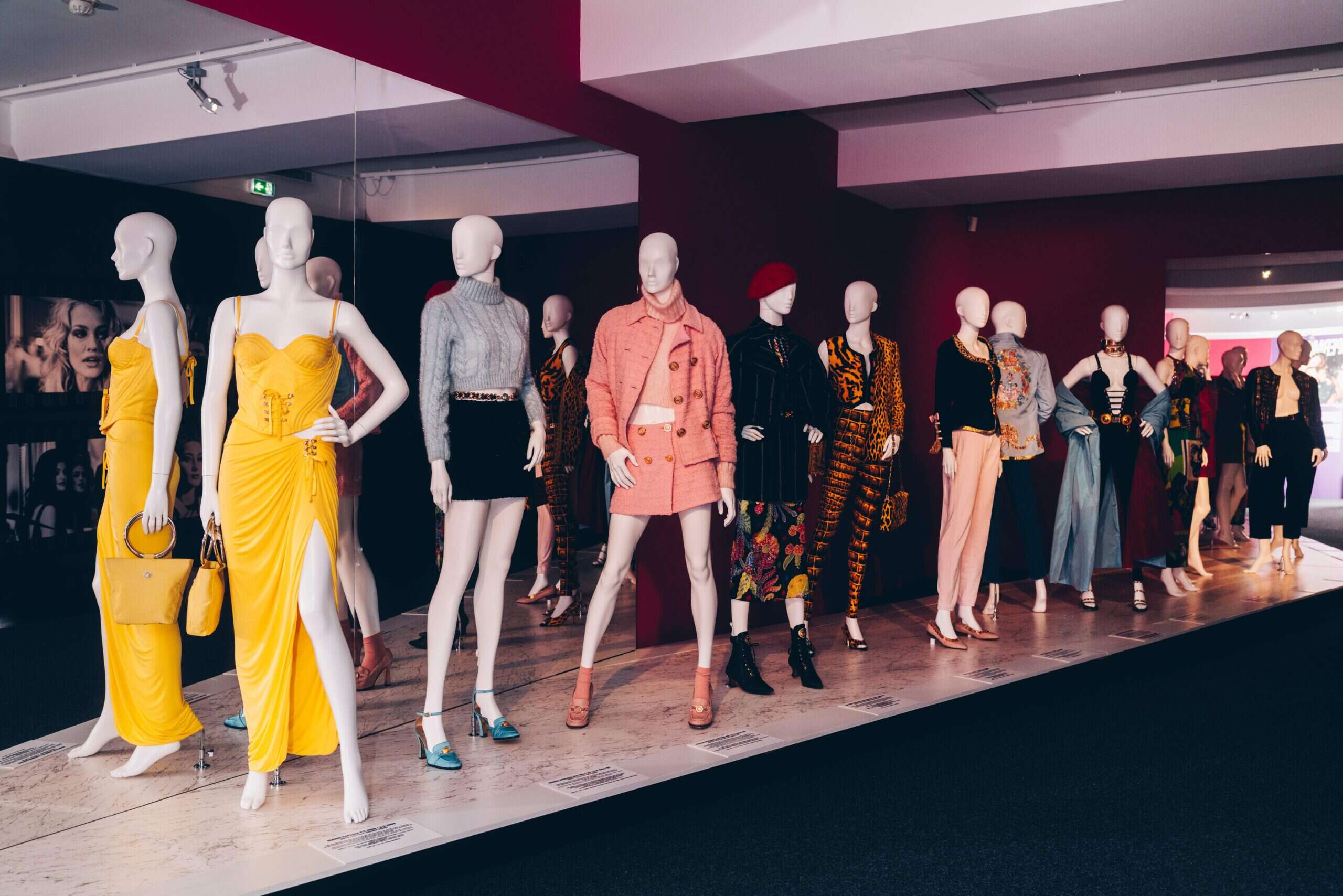
Due to this narrow focus, the Gianni Versace Retrospective operates independently of official affiliations with the Versace brand or family. Although both parties are aware of the exhibition and endorse its purpose, this autonomy allows for a concentrated exploration of Versace the individual, rather than the myths that have developed posthumously around his brand. Von der Ahé articulates this sentiment, remarking that the exhibition revisits a time when the emphasis lay on quality, personality, and familial connections, not merely the brand itself.
The emphasis on individual artistry provides a poignant context for contemporary discussions within the fashion industry, which faces significant changes in leadership and a reevaluation of luxury in an age dominated by algorithms and influencers. While von der Ahé hesitates to characterize the exhibition as a critique, the suggestion is clear. “The fashion industry is searching for a new point of reference,” he observes, expressing hopes that the exhibition instills a sense of substance necessary for relevance in today’s evolving landscape.