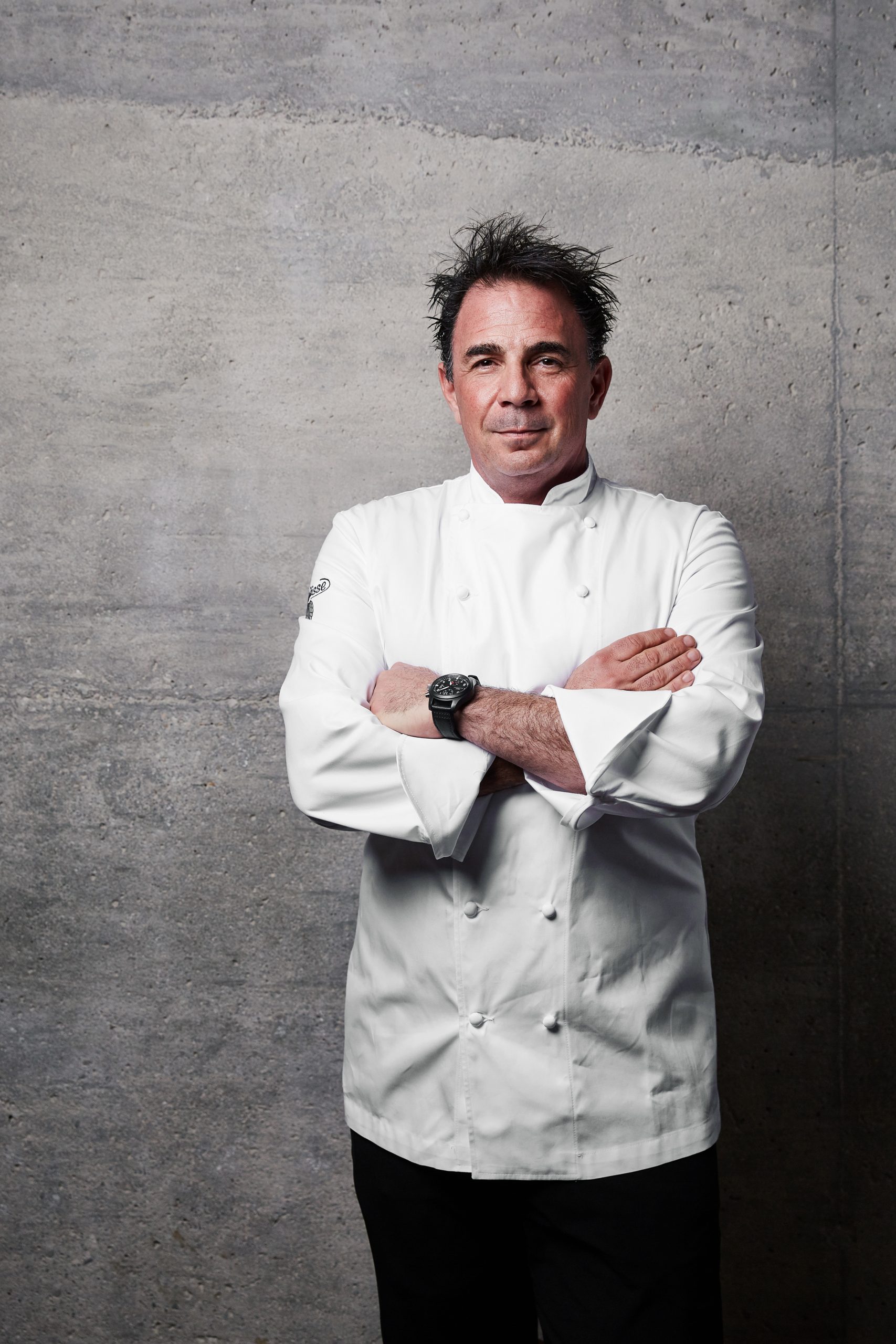
Photo Credit: John Troxell
Josiah Citrin has established himself as a pivotal figure in Los Angeles’ culinary landscape. With a career spanning over 25 years, he holds two Michelin stars and operates various restaurants. His mantra, “In pursuit of excellence,” informs his work, ranging from the refined atmosphere of Mélisse and Citrin in Santa Monica to the more casual settings of Charcoal Venice and Augie’s on Main. The latter concept has flourished, reaching beyond the Staples Center to venues nationwide. Citrin is also a co-owner of the iconic Dear John’s and its waterfront counterpart, Dear Jane’s, alongside longtime collaborator Hans Röckenwagner.
Citrin’s culinary philosophy embraces both high-end and approachable dining. He has a knack for transforming traditional tasting menus and grilling over open flames, focusing on precision and a deep reverence for Californian ingredients. A familiar presence at the Santa Monica Farmers Market, he possesses an encyclopedic knowledge of produce, able to discern the origins of a tomato simply by taste.
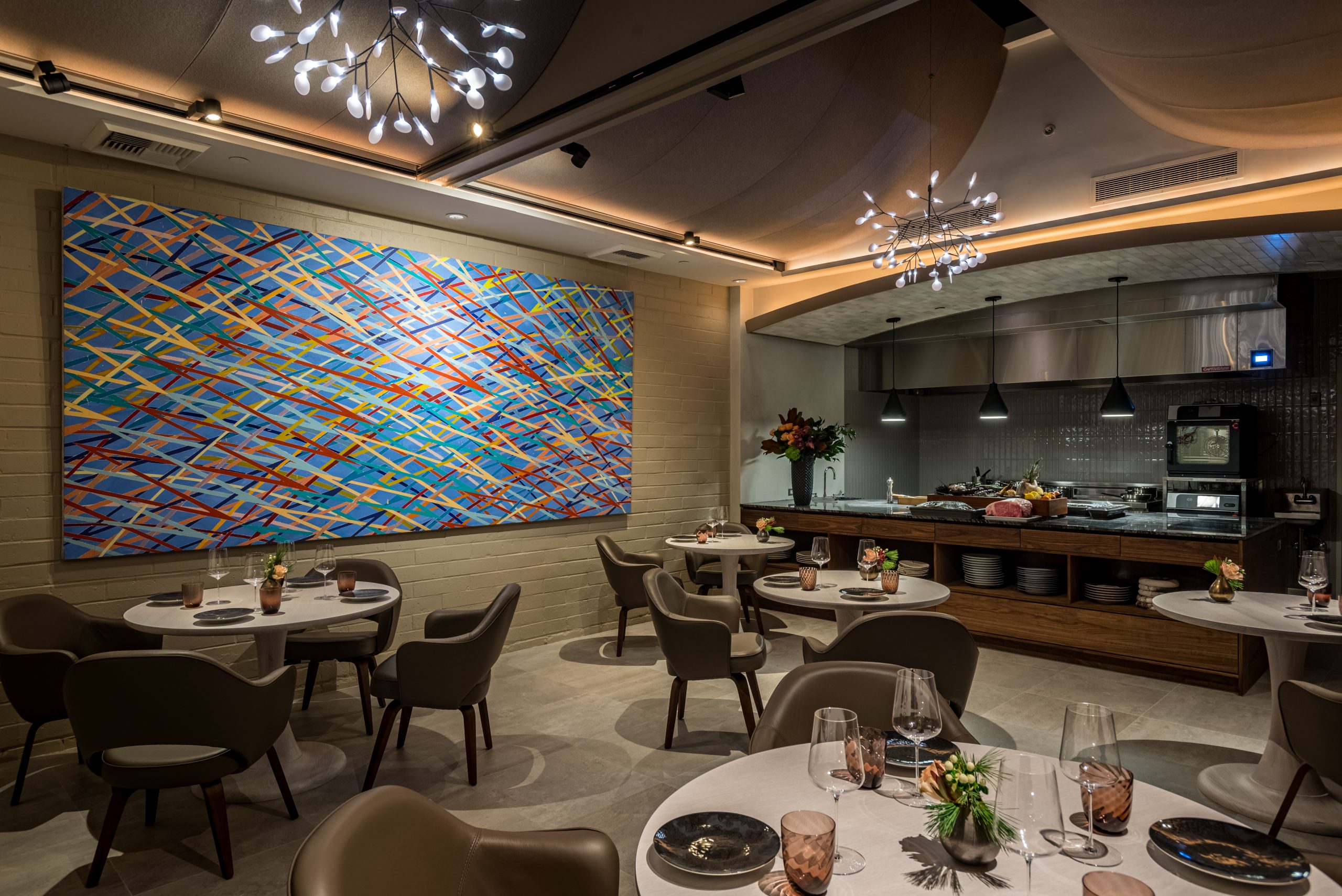 Photo Credit: Wonho Frank Lee
Mélisse recently celebrated a significant milestone. What does its 25th anniversary represent for you?
Reflecting on Mélisse’s 25 years evokes emotion for Citrin. The anniversary prompts nostalgia regarding the sacrifices made, long hours logged, and the important connections formed throughout the journey. For him, it transcends numbers; it signifies the enduring impact that the restaurant has had on many lives, highlighting the essence of creating lasting connections rather than merely serving food.
In a city of ever-changing dining landscapes, what keeps Mélisse both fresh and timeless?
Citrin attributes the restaurant’s longevity to an unwavering commitment to authenticity and adaptability. Rather than chasing fleeting trends, they refine and adjust their approach thoughtfully.
Have you ever contemplated stepping away from Mélisse?
While there were moments of doubt throughout the years, the notion of leaving never truly resonated with Citrin. The deep connection he has with Mélisse feels integral to his identity, making departure akin to parting with a part of himself.
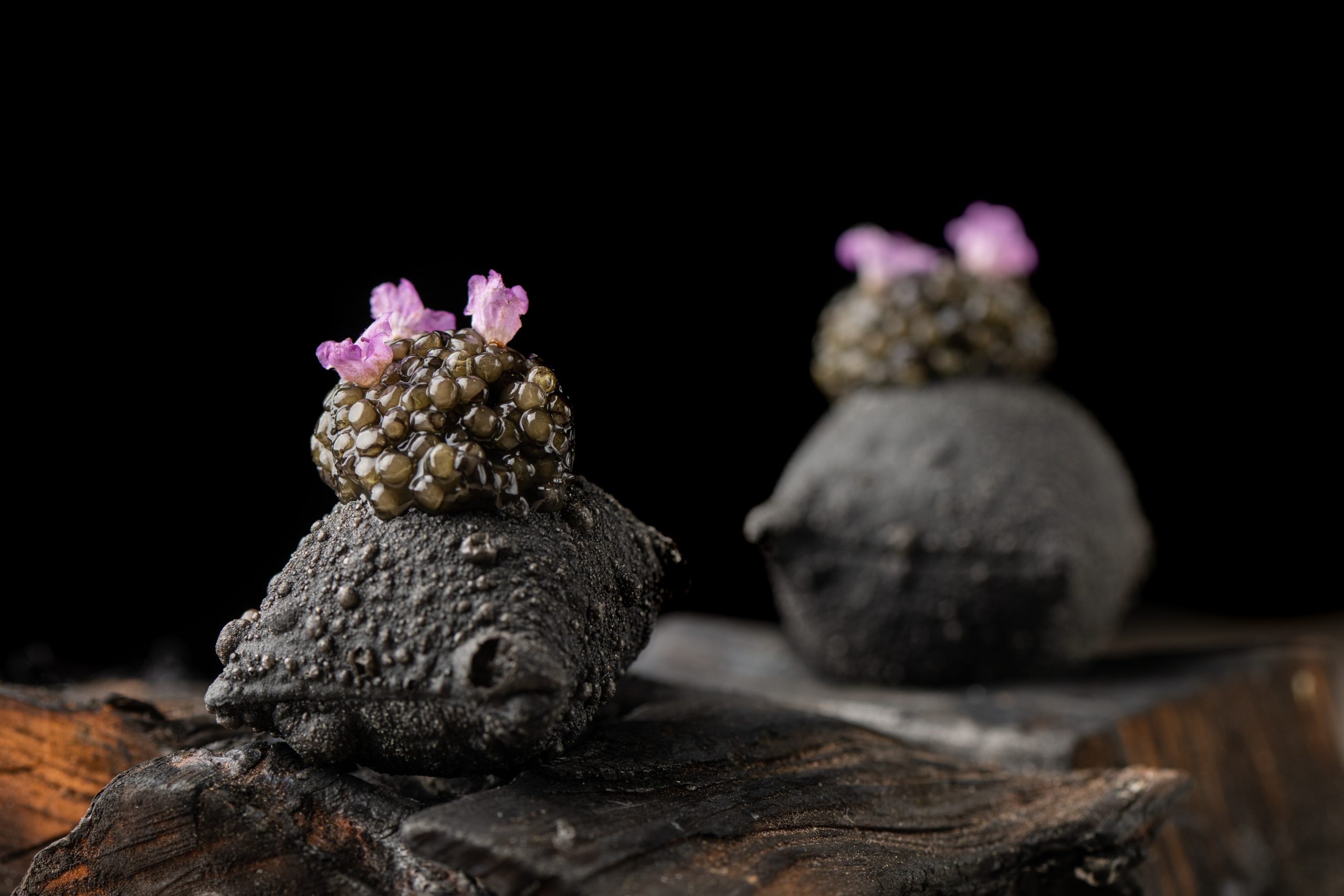 Photo Credit: Stan Lee
Does the pursuit of Michelin stars still inspire you, or has that vision changed?
Initially, earning Michelin stars represented a quest for precision and validation. Over time, Citrin’s understanding of excellence has evolved into a deeper focus on authenticity and emotional resonance in his dishes. While the stars encourage him to maintain high standards, they no longer represent the primary motivation behind his craft. Creating honest, impactful culinary experiences takes precedence.
Your training in Paris was rigorous. What rule did you break, and which one do you hold sacred?
Citrin learned the importance of structure, yet he has embraced a more vibrant atmosphere in his kitchens, where communication thrives. However, his commitment to respecting ingredients remains unyielding; this principle is foundational to his cooking philosophy.
Have there been sacrifices in your pursuit of excellence? What insights did you gain about your limits?
Citrin acknowledges that his journey has come at a personal cost. Moments of sacrificing family time or neglecting balance have taught him about endurance. He understands that pushing limits can lead to repercussions, highlighting the importance of pausing, delegating, and prioritizing self-care in the long run.
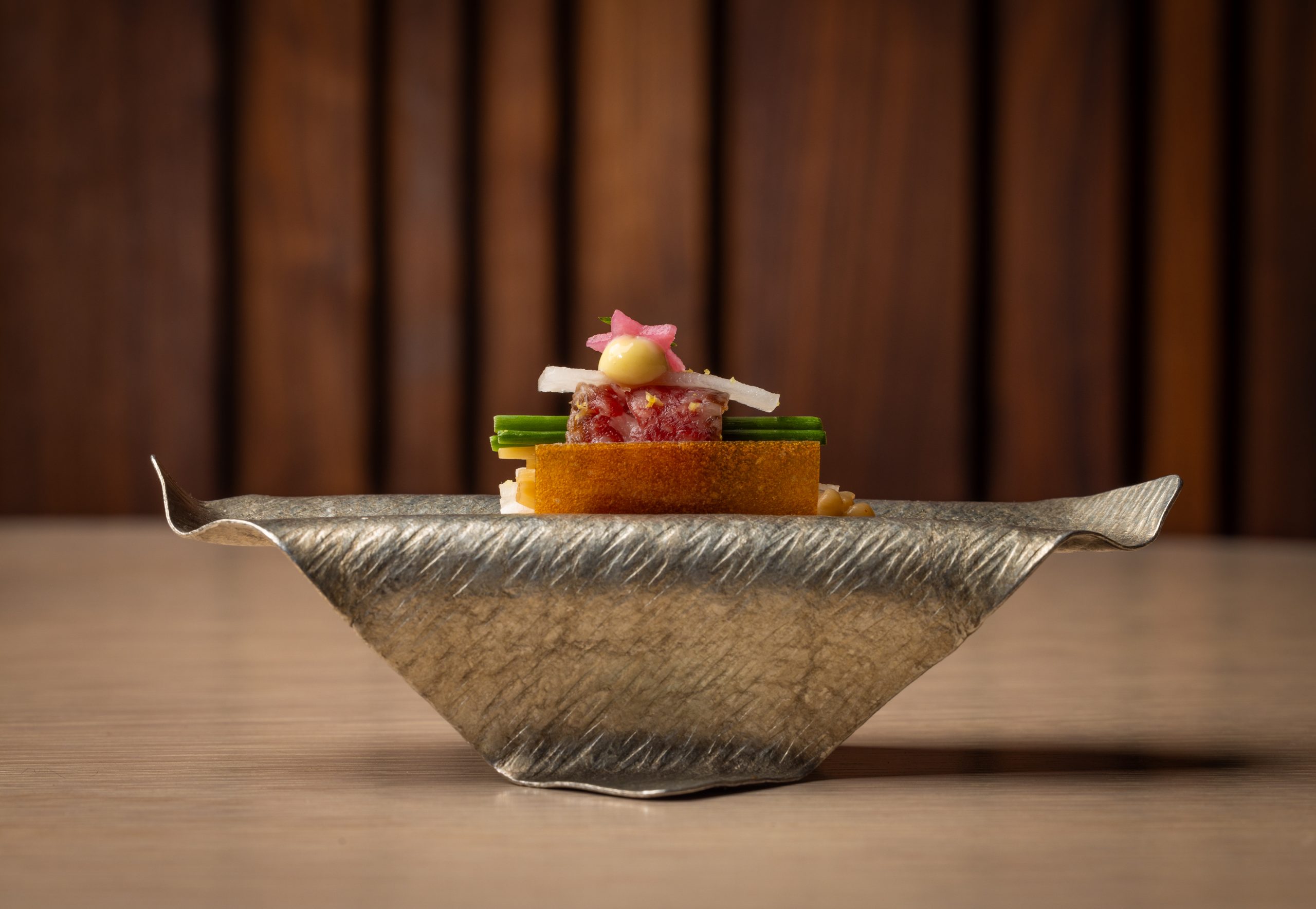 Photo Credit: Stan Lee
Your passion for fire is evident, with multiple grills at home and three ovens at Charcoal. Where did this obsession originate?
Citrin believes his fascination with fire began at a young age, captivated by its primal energy. This cooking method embraces instinct and presence, contrasting with the controlled environment of haute cuisine.
Is there a shift toward more casual luxury dining?
Citrin observes a growing consciousness in luxury dining, where intentions matter more than formalities. At Mélisse, the focus has shifted from traditional table settings to creating intimate and immersive experiences, enhancing the overall meal.
As automation and AI gain traction in kitchens, how do you see the balance between precision and soul in cooking?
The distinction lies in intent and emotional connection. While AI can assist and inspire, it lacks the capacity to feel. The essence of cooking—intuition and creativity—remains a human endeavor.
What non-food interests shape your kitchen approach or menu design? Surfing, jazz, or architecture?
Citrin connects surfing with kitchen management, valuing patience and environmental awareness. Art influences his understanding of composition and storytelling, wherein each plate becomes a canvas. The improvisational nature of jazz inspires spontaneity and creativity in his culinary practice.
 Photo Credit: Stan Lee
What are your future aspirations?
Citrin envisions his legacy as a priority, aiming to pass his culinary knowledge to the next generation. He dreams of eventually slowing down, enjoying life in the South of France, and cooking purely for the joy it brings.
With your experience at the pinnacle of haute cuisine, how do you define luxury today?
Citrin feels true luxury encompasses enduring experiences rather than material extravagance. He aims to make each guest feel valued and cherished, believing that the subtleties and intentions behind a meal create lasting impressions.
What do you consider to be the greatest luxury in life and why?
Citrin notes that time is the ultimate luxury—the moments shared with loved ones in meaningful places. Following the loss of his son Augustin at 23, he has gained a profound perspective on what truly matters. It’s not the accolades; it’s the cherished moments spent with those who matter most.