Golf has long been the backdrop for business negotiations, where executives forge connections over rounds of play. However, a new sport is emerging as a contemporary venue for networking: padel. This fast-paced racket sport that incorporates elements of tennis and squash is rapidly gaining traction, appearing in luxury residences, exclusive clubs, and high-end resorts.
According to the International Padel Federation (FIP), the number of padel players has exceeded 30 million across more than 140 countries, with over 70,000 courts now available globally. In particular, the United States, still at the initial stages of its padel journey compared to Spain and Latin America, is positioned as the next hotbed for industry growth. Deloitte projects that the global padel economy may surpass €6 billion (approximately $6.85 billion) annually in the coming years as demand for courts grows and hospitality brands invest heavily in the sport.
Diego Ramos offers unique insights into the rapid evolution of padel. At Albany, a high-end Bahamian community co-founded by Joe Lewis and backed by prominent figures such as Tiger Woods and Justin Timberlake, he instructs players in the sport. He also serves as the general manager and equity partner of the reigning champions in the Professional Padel League, the New York Atlantics.
A decade ago, the sport was relatively obscure; today, it attracts a prominent clientele including global leaders and celebrities. Luxury resorts across the Caribbean and exclusive clubs in Europe are racing to incorporate courts into their offerings. “Tennis can be challenging for beginners, whereas padel allows anyone to enjoy themselves from their first game,” Ramos explains.
The sport’s accessibility positions it as an appealing option for hospitality. “People seek belonging and visibility at clubs. That is why there is a growing involvement of hospitality and luxury brands in padel,” he asserts.
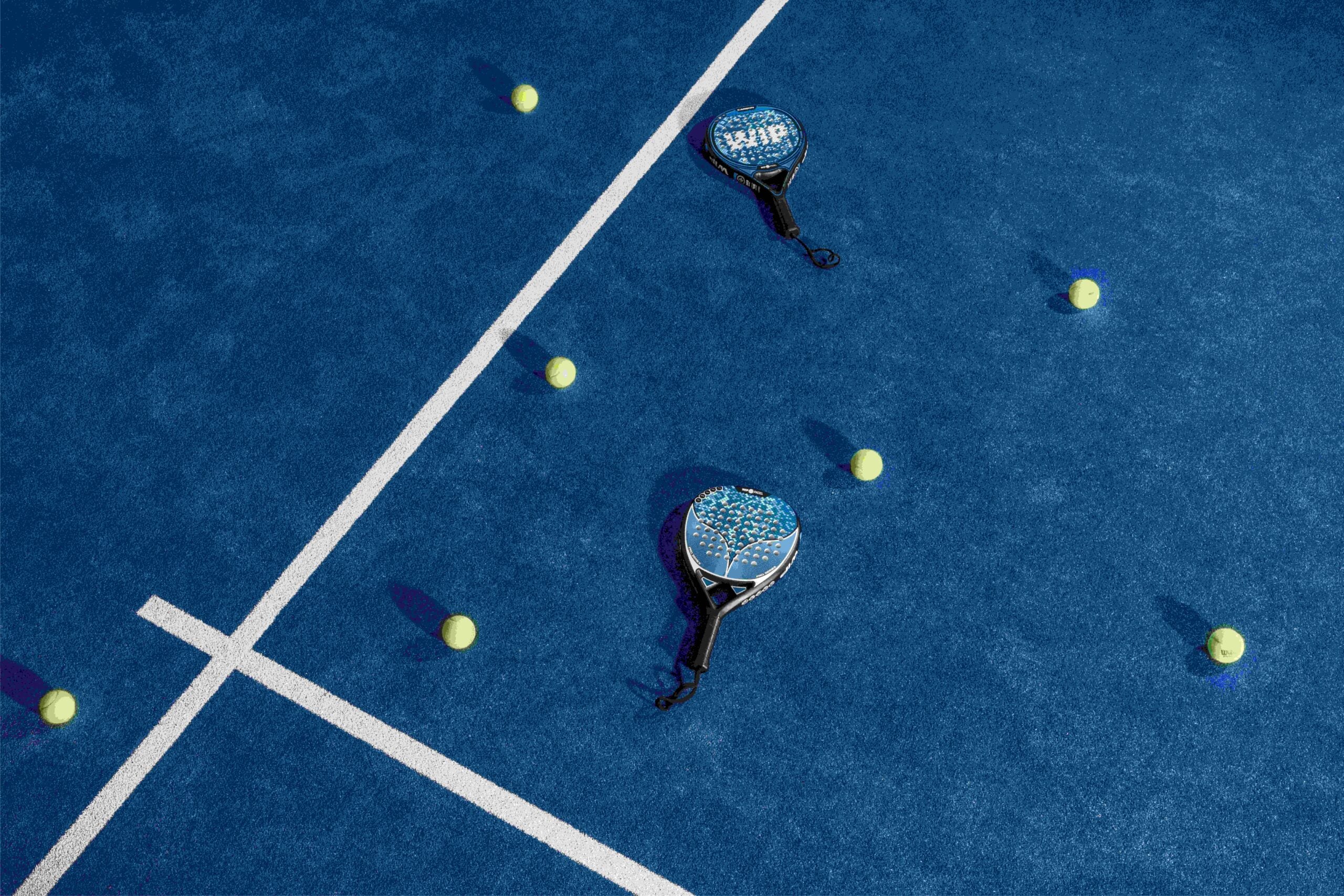
The financial advantages are significant, as one tennis court can be transformed into three padel courts, enhancing capacity and revenue potential. Unlike many tennis courts that often remain unused, Ramos notes that padel courts are now frequently occupied. Increasingly, travelers select destinations based on the availability of padel facilities, similar to how golfers choose resorts based on course quality. “Travel agencies now even offer padel training holidays,” he adds.
More importantly, padel is beginning to symbolize a cultural shift in corporate networking. As golf historically represented networking opportunities, padel is taking on a similar role for today’s business leaders and entrepreneurs. “I often connect individuals who meet for the first time on the court. It happens frequently,” he reveals.
For affluent individuals, the game’s practicality is undeniable. “We can play a match in 90 minutes. Time is incredibly valuable to these individuals. Within that span, they can network, conduct business, enjoy themselves, and stay active,” Ramos explains.
Looking ahead, Ramos believes padel’s next significant chapter will unfold in the United States, which he sees as capable of elevating the sport. “The US understands how to provide an enjoyable experience. Great facilities, excellent meals, and additional amenities like spas and shops all contribute to raising the standard.”