The second-hand luxury market is rapidly evolving from a niche segment of fashion into a mainstream phenomenon. A report by the Boston Consulting Group and Vestiaire Collective anticipates that this global market will grow three times faster than the traditional fashion sector, potentially reaching up to $360 billion by 2030. Resale currently makes up 28 percent of consumer wardrobes, escalating to 40 percent for handbags.
As the landscape shifts, so too does the creative usage of vintage pieces. Today, vintage luxury items are being repurposed beyond their intended functions. A striking example includes Victoria Beckham’s innovative use of an antique cigarette case as a card holder, demonstrating a growing trend among consumers.
@voguefrance « In The Bag » avec #VictoriaBeckham: cet objet offert il a 27 ans par son mari David Beckham ne quitte jamais la créatrice. Pronostique sur le message gravé ? #voguefrance #davidbeckham ♬ son original – Vogue France
Kylie James, CEO of luxury auction platform LAX.BID, notes a definitive shift towards reimagining vintage luxury accessories for contemporary needs. For instance, she highlights the practicality of using cigarette cases as card holders, along with a rising trend of Art Deco vanity cases transformed into elegant clutch bags. Vintage cigar cases are being creatively adapted as cosmetic holders, lipstick cases, and even AirPods holders.
The trend extends beyond accessories. James Constantinou, founder of Prestige Pawnbrokers, observes that repurposing has been a longstanding practice. For example, Louis Vuitton trunks are now frequently converted into coffee tables, while older trunks from the 1920s and 1930s are being utilized as distinctive furniture pieces.
The rising bout of sustainability is a significant motive behind this shift. Consumers increasingly prefer buying vintage goods to prolong the life of existing luxury items rather than acquiring new ones. This mindset has gained traction as the issue of fashion waste has become more prominent. Experts also emphasize that this movement embodies not just moral responsibility but an aesthetic appeal as well.
Individuality drives consumer choices. Katrina Aleksa, an expert in luxury gifting and collectibles, observes that shoppers are drawn to unique pieces over mass-produced items. They seek objects with narratives, craftsmanship, and character, steering away from mere status symbols.
Nostalgia influences these trends, yet not in a purely sentimental manner. Buyers are increasingly attracted to objects that convey authenticity and tell rich stories. This desire fosters a connection to quality, often absent in current consumer practices.
This metamorphosis allows vintage items to occupy dual roles as accessories and collectibles. Bleu Bosworth of Optima Contemporary notes that younger consumers view vintage luxury as akin to art collecting, where items such as vintage Cartier cigarette cases are prized not just for their original purpose, but also for their craftsmanship, rarity, and cultural relevance.
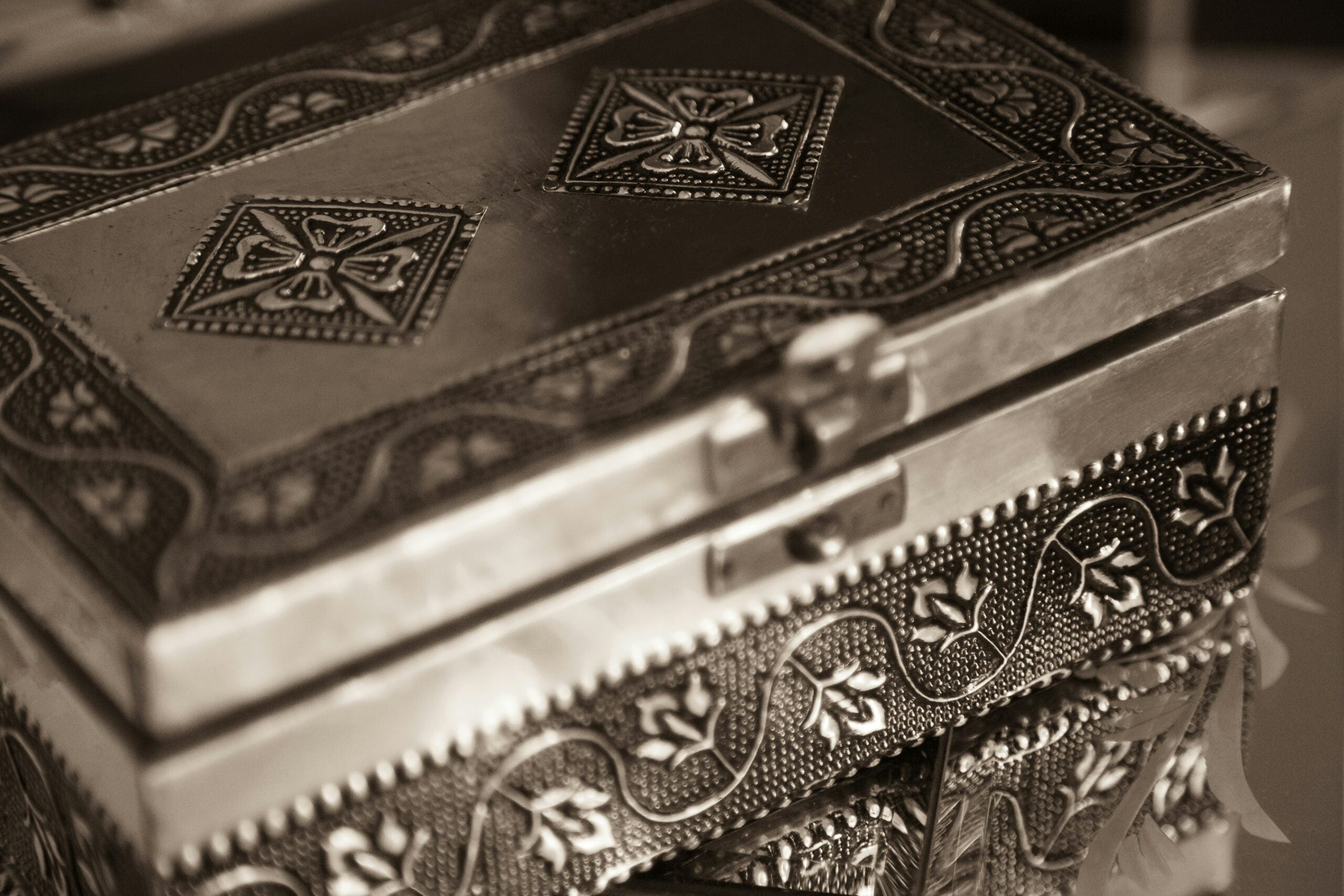
Today, a vintage accessory can serve as a statement of fashion, a design artifact, and an object of collection. This multifaceted appeal resonates especially with younger buyers who increasingly view luxury brands through the lens of sustainability and creativity. Companies like Miu Miu and Coach are embracing this movement. Miu Miu’s Upcycled project revives garments sourced from vintage markets, while Coach’s Coachtopia focuses on creating accessories from recycled materials.
As luxury brands continue to reimagine what once was, they validate a growing recognition that existing objects, with thought and creativity, can take on new life.