Johnstons of Elgin, located in the Scottish Highlands, is renowned for weaving high-quality cashmere and crafting luxuriously soft throws. While photography is prohibited inside the factory, it is known that many fashion houses source cashmere blankets from here, including Hermès. Johnstons stands out not just for its luxury associations but also for its stylish blue and grey ombré throws, which resonate beautifully with mid-century modern furnishings. Similarly, Begg x Co has made its mark with contemporary cashmere accessories guided by creative director Vanessa Seward. Their collaboration with artist Bruce McLean resulted in eye-catching designs inspired by the interplay of light in his garden.
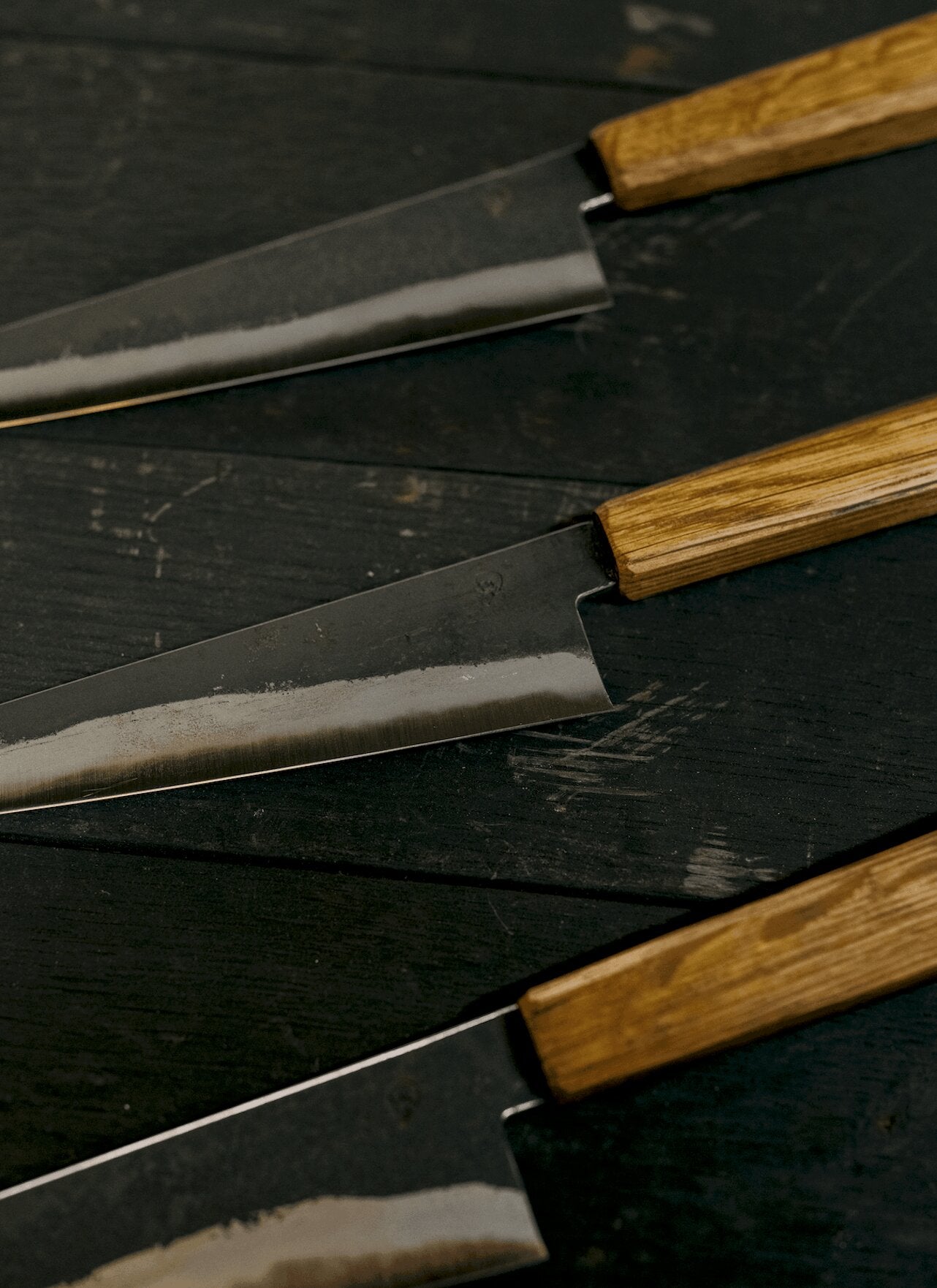
Bard has quickly gained popularity among visitors in Edinburgh. Co-founder James Stevens recalls initial skepticism about promoting Scottish designs that aren’t overtly traditional, but the response has been overwhelmingly positive, with customers appreciating the craftsmanship. This speaks volumes about Scotland’s evolving design narrative, which transcends cliché symbols like the Princess Diana Memorial Tartan. One notable artisan featured at Bard is Eve Eunson, whose Ghost Rope Baskets exemplify a modern interpretation of traditional crafts. Made from synthetic sea rope collected from the shores of the Shetland Islands, Eunson’s work highlights the innovative spirit of local artisans, akin to bladesmith Tim Westley, who creates Clement Knives utilizing recycled materials.
Bard offers a diverse range of handmade goods, from Ocean Plastic Pots, crafted from recycled material in Glasgow, to Eunson’s striking Cubi Chair, a modern take on the Fair Isle Strawback design. Each chair features a hand-worked ash frame intricately adorned with coiled straw, merging modern aesthetics with ancient craftsmanship. This technique is delegated to the endangered crafts list in the UK Heritage Craft Association.
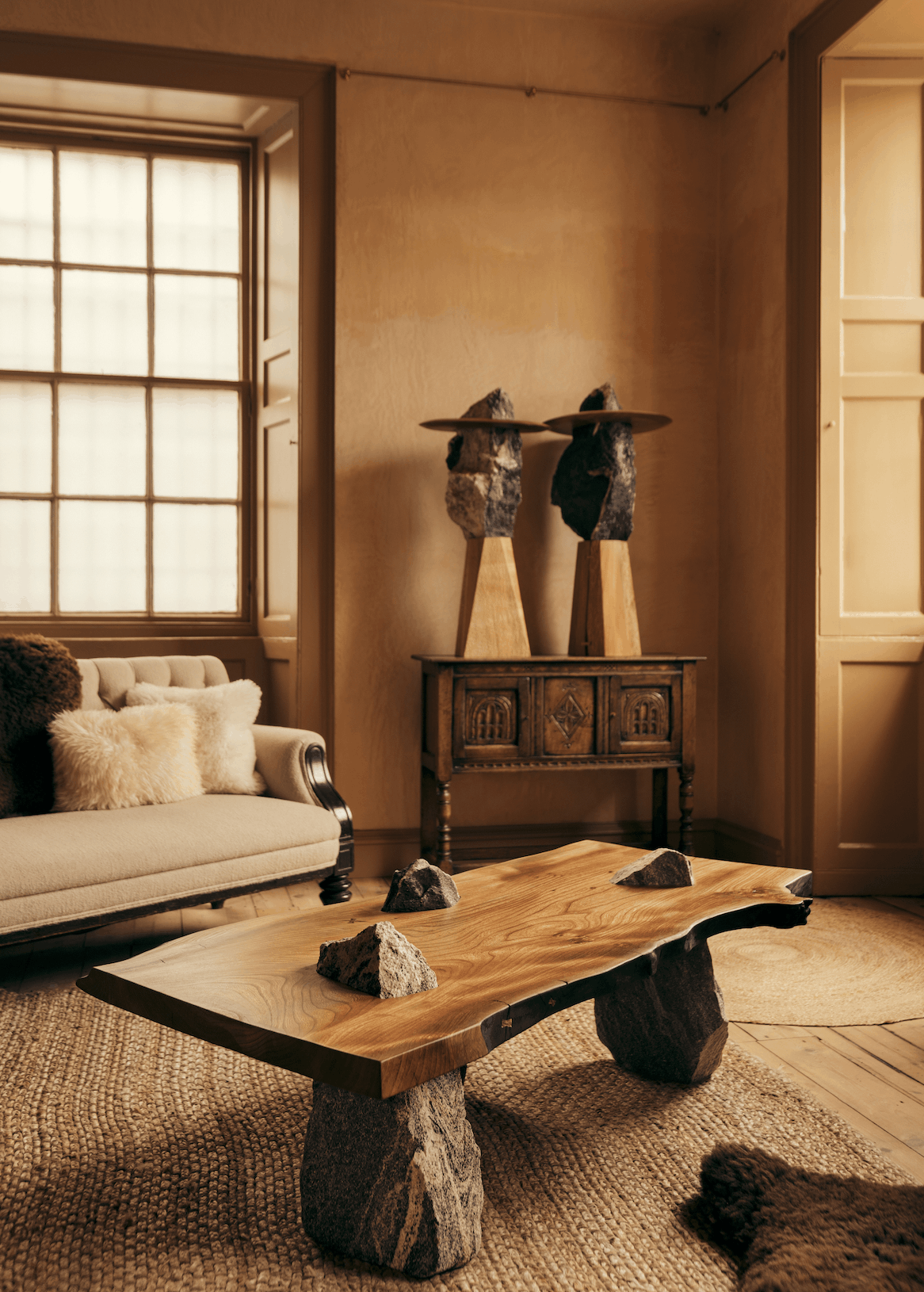
Oliver Spendley, another featured artisan, blends sculpture with furniture design. Stevens noted Spendley’s nautical influence, as he crafts unique tables from local wood and ancient geological materials. His connection to the landscape is immediate and resonant. Similarly, textile and wallpaper designer Mairi Helena draws inspiration from the Scottish landscape, transforming photographs into wallpapers that emulate vibrant hand-painted murals. Her journey began with a simple gift and evolved into a thriving business.
Helena’s artistic exploration has led her to develop a collection of paints derived from landscape hues, celebrating the changing seasons. Her plans for collaboration with ceramicist Ella Fletcher reflect a shared appreciation for nature’s textures, evident in Fletcher’s pottery, which often draws from the subtleties found during road trips.
Mairi Helena embodies a contemporary Scottish design ethos that was sparked by the pioneering work of Timorous Beasties, founded by Glasgow School of Art graduates. This duo reshaped traditional Scottish motifs, making them youthful and fresh. Their items, prevalent in hotels like the revamped JA Mar Hall Golf & Spa Resort, demonstrate a radical shift in cultural aesthetics.
Modern Scottish design often takes cues from both nature and contemporary culture. The Isle of Raasay gin bottle, with its geological shape, reflects the unique environment of its distillation. Similarly, Isle of Harris gin bottles, featuring swirling design elements, have garnered a dedicated following, further transcended by limited-edition releases that celebrate local flora.
The current wave of Scottish design showcases a blend of sharp branding and thoughtful materials. Cold Town ales embodies a sophisticated design aesthetic, while the artistic wrappers of Coco chocolate bars invite admiration. Brands like Bare Bones Chocolate have captured the attention of visitors to the scenic WildLand properties, demonstrating the quality of local chocolate—crafted with care and wrapped in recycled materials.
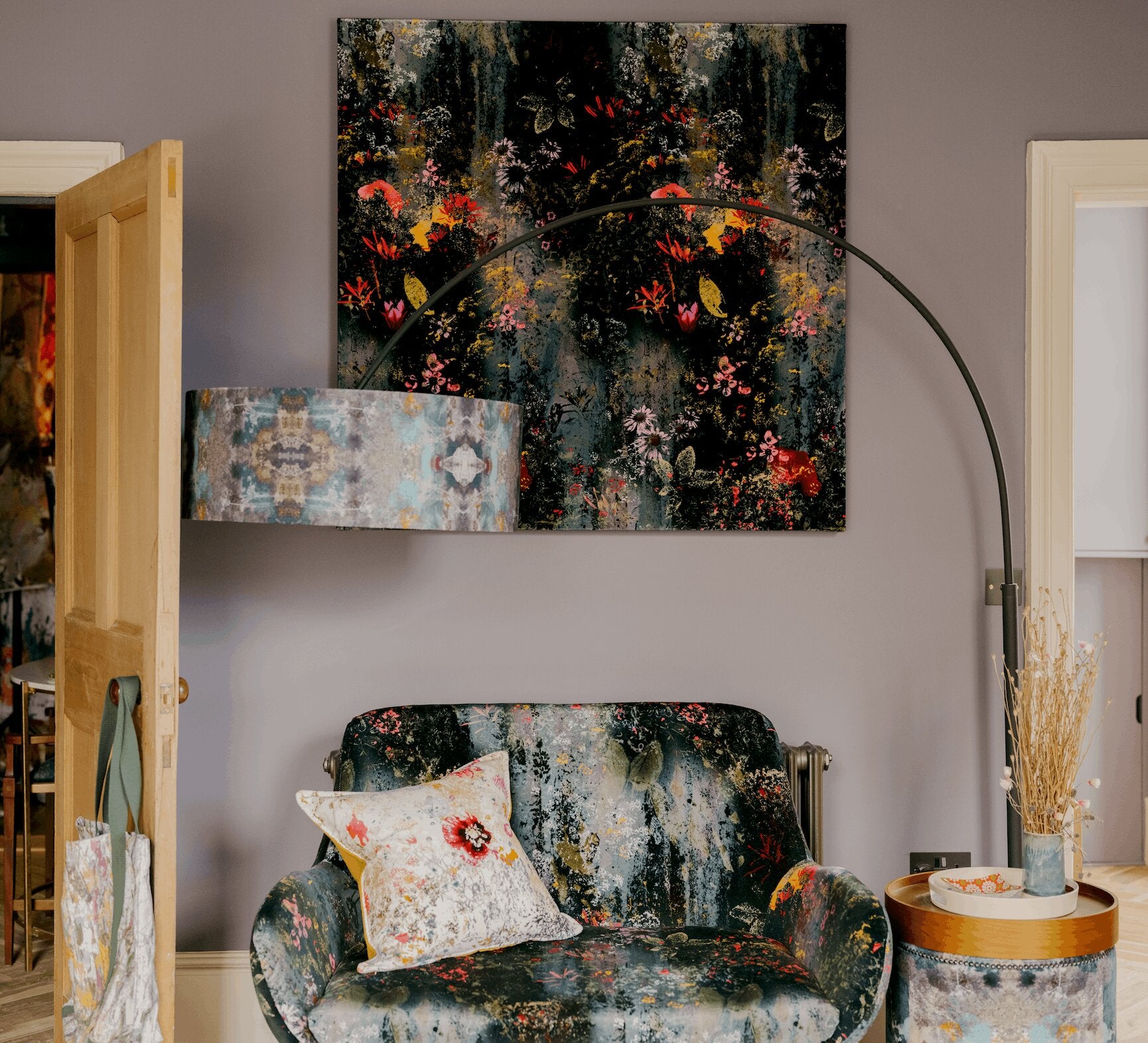
Mairi Helena uses her own photographs to create an array of products inspired by the Scottish landscape. ©Antony Sojka
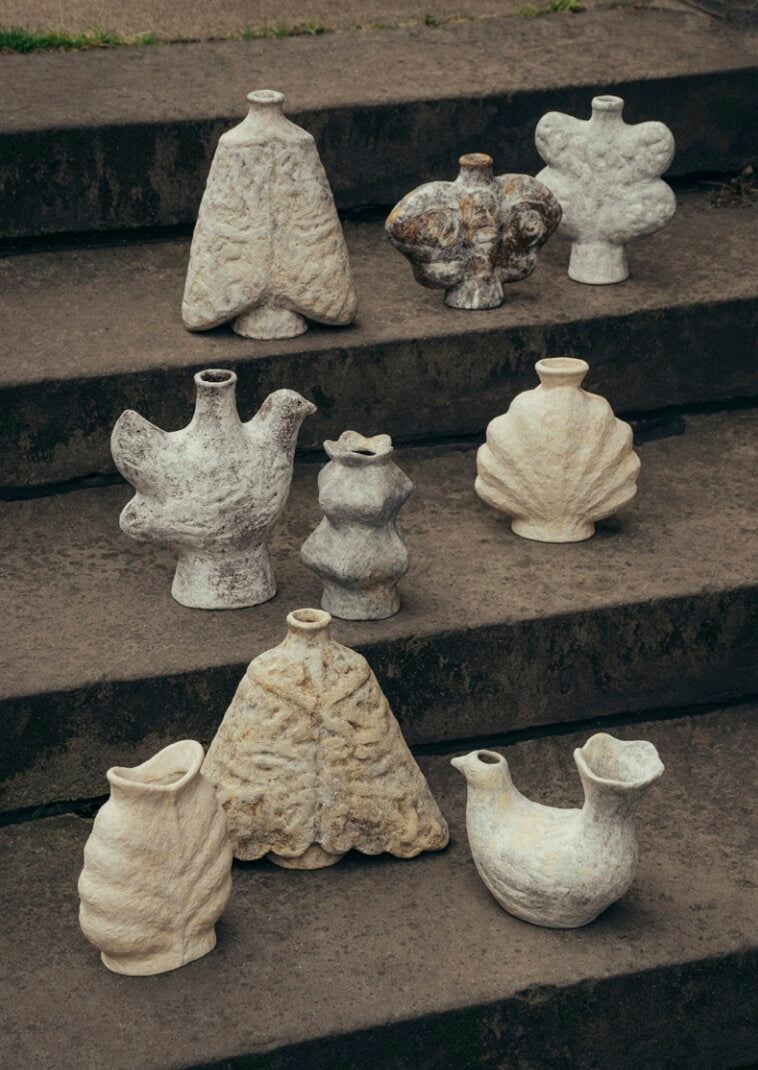
The Garden of Gentle Revolutions by Studio Viv Lee. ©Murray Orr
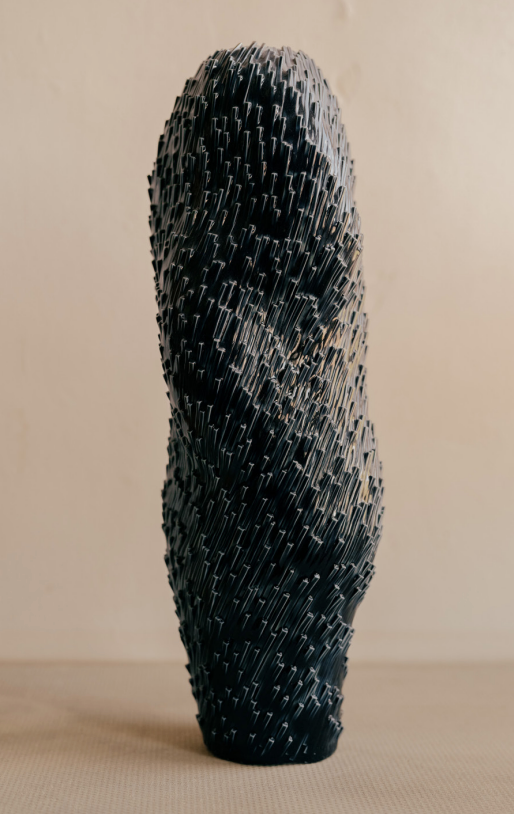
One of Glasgow-based ceramicist Jonathan Wade’s sculptures. ©Antony Sojka
Fraser Taylor, with his Haxton brand, introduces minimalistic graphics that epitomize modern Scottish design. Conversely, Irregular Sleep Pattern infuses playful elements into textiles, effectively subverting traditional sleepwear designs. Their pajama sets have found an audience among New York creatives, who often adapt these garments as daytime attire. The designs reflect a desire to inject vibrancy into the most personal spaces.
Ceramicists Viv Lee and Jonathan Wade, both operating from Glasgow, showcase distinct perspectives. Wade’s Ingot Objects resonate with Japanese craftsmanship, while Lee leans toward the raw, elemental qualities of her locally sourced materials. This essence of locality pervades the work of many artisans today as they resist mass-produced alternatives.
As cashmere continues to be produced at an industrial scale, smaller designers emerge, focusing on intimate and sensory experiences. Reid Aiton’s Laird scented candles illustrate this movement, crafted by hand from his mother’s home in Edinburgh. With a contemporary design aesthetic that avoids traditional Scottish clichés, Aiton’s candles invite warmth into spaces during long, cold winters.
Aiton’s best-seller, Advent, is reminiscent of a bakery and evokes festive comfort throughout the year. It reflects a broader trend in Scottish design, prioritizing everyday experiences over seasonal trends. This new wave of craftsmanship speaks to the essence of contemporary living, grounded in the beauty and challenges of Scottish life.