This year, Cape Verde has emerged as a destination of notable interest. After its historic participation in the World Cup, the small archipelago captivated audiences worldwide. With a FIFA ranking of 67, the team garnered attention by holding its ground against major soccer nations such as Spain and Uruguay, seemingly poised to deliver an unprecedented upset.
The team’s remarkable journey reached a critical juncture when they pushed Argentina into extra time during the knockout stage. Though their quest for victory ultimately fell short just before a penalty shootout, Cape Verde left an indelible mark on the global sports stage.
Many viewers, intrigued by the team’s unexpected success, found themselves wondering: where is Cape Verde? A quick online search reveals pristine turquoise waters, expansive white sandy beaches, and striking volcanic landscapes. Yet, despite its allure, Cape Verde remains less discussed in luxury travel circles compared to renowned destinations like Mauritius, the Seychelles, or parts of Morocco.
This article delves into Cape Verde’s geography, unique landscapes, and the islands that are best suited for upscale travelers, exploring why it deserves a place on the travel radar.
Where is Cape Verde?
Cape Verde, or Cabo Verde as referred to in Portuguese, is an archipelago situated approximately 350 miles off the West African coast. This collection of ten volcanic islands is not on the African mainland, which leads to its occasional exclusion from maps. Discovered in the mid-15th century, Cape Verde was colonized by Portugal from 1462 until gaining independence in 1975. Although Portuguese is the official language, Kabuverdianu, a Creole dialect derived from Portuguese, is predominantly spoken by the locals.
Despite nine of the ten islands being inhabited, the number of Cape Verdeans living abroad—estimated between 1.5 and 2 million—outnumbers those residing on the islands, where the population is around 500,000. Communities can be found primarily in the Netherlands, Portugal, Senegal, and the United States.
Should you visit Cape Verde?
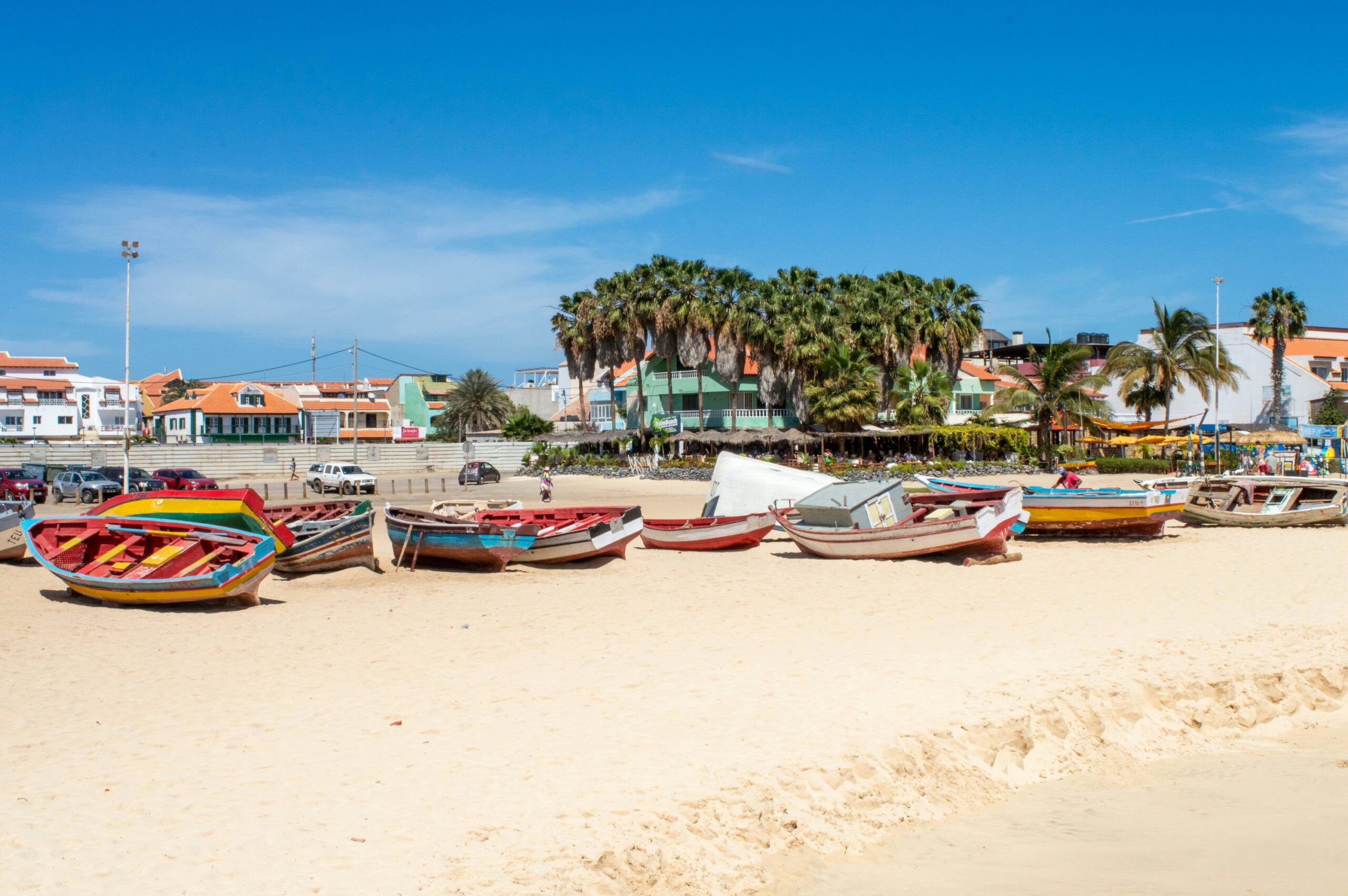
Cape Verde presents a desirable option for winter sun seekers. With its long beaches, warm waters, and consistently breezy weather, the islands attract numerous European travelers, particularly those interested in windsurfing, kitesurfing, and diving. Sal and Boa Vista, in particular, are popular among beach enthusiasts.
Wildlife enthusiasts, too, find much to appreciate, as Boa Vista’s Ervatão Beach stands as an important nesting site for loggerhead turtles. Additionally, the surrounding waters serve as a habitat for humpback whales, particularly during their migration in late winter and spring.
The best season to visit varies with individual interests. The turtle nesting season occurs from July to September, while whale sightings peak in March and April. For sun-seeking travelers from Europe, Cape Verde serves as a relatively straightforward destination, with direct flights from London and Manchester taking about six hours. U.S. travelers have a more convoluted route, typically requiring a connection through Lisbon. A brief stay in Portugal could enhance their trip.
Where to Stay in Cape Verde
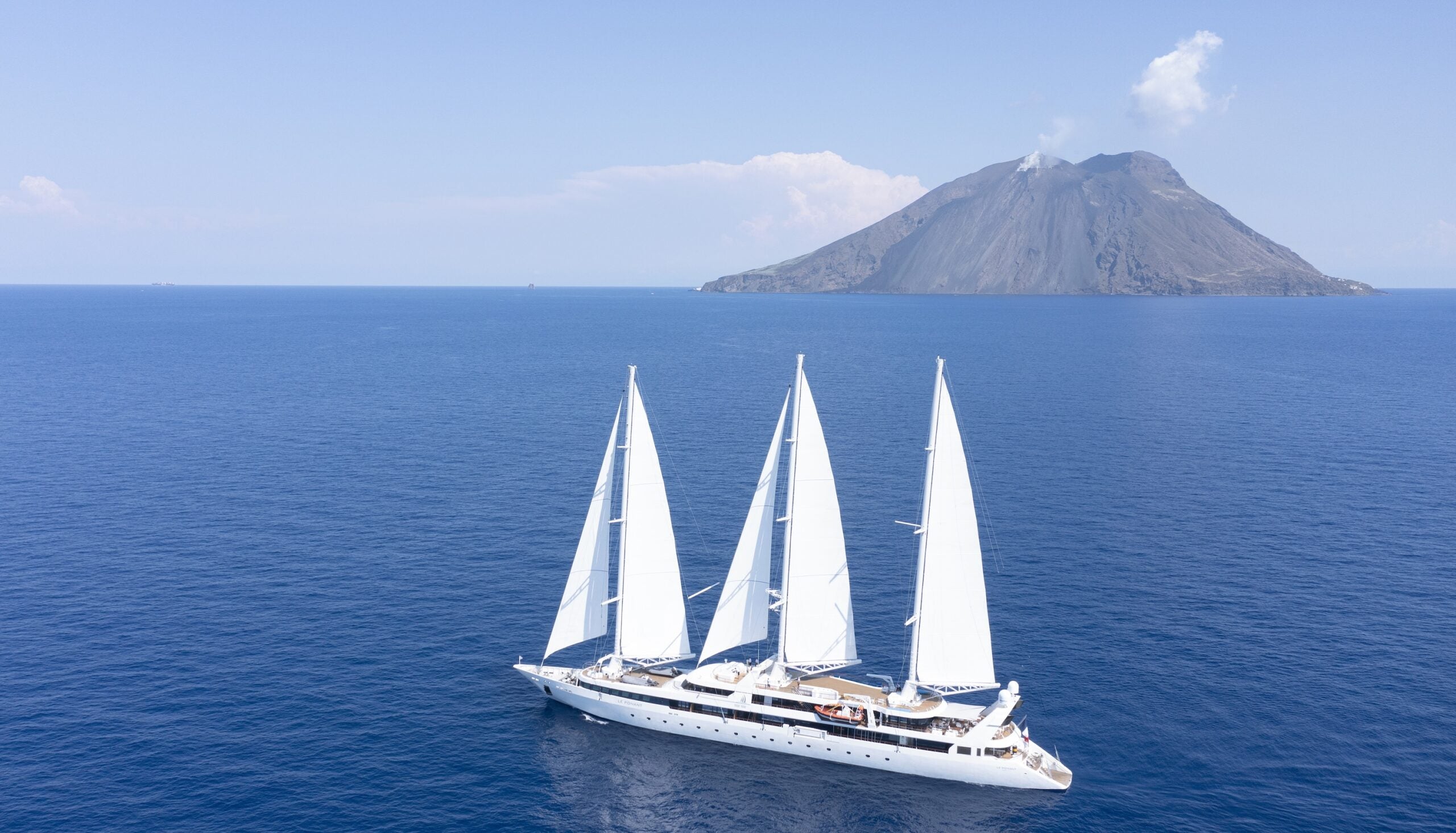
While resort hotels are scattered across Sal and Boa Vista, authentic high-end options are still somewhat limited. For those wishing to explore multiple islands without sacrificing comfort, traveling by boat is an appealing choice.
Le Ponant, the inaugural sailing yacht in the Relais & Châteaux collection, offers a refined experience with an eight-day itinerary through the islands. Rather than confining oneself to a single resort, this journey showcases Cape Verde in its entirety.
The itinerary begins in Mindelo, regarded as the cultural hub of the archipelago, then continues to the islands of São Nicolau, Boa Vista, Praia on Santiago, Maio, and Fogo.
This curated route provides an expansive view of Cape Verde that a traditional resort stay cannot offer. Travelers can enjoy vibrant bars in Mindelo, which feature local music and Cape Verdean spirits; São Nicolau’s stunning mountain trails and lush landscapes; Boa Vista with its renowned beaches and natural beauty; and Fogo, where the volcanic terrain includes the impressive Pico do Fogo and its surrounding lava fields.
With a capacity for just 32 guests, Le Ponant offers an intimate experience reminiscent of a private yacht rather than a typical cruise. Guests can explore three decks of cabins, relax in a spa, enjoy a saltwater pool, and take advantage of various water sports equipment, including glass-bottom kayaks and snorkel gear, for swimming excursions. This method of travel prioritizes immersive exploration over a static resort experience, making it a compelling choice for those wishing to truly experience Cape Verde.