Ralph Lauren has not only reshaped the landscape of fashion but has also profoundly influenced the way people dress today. The true impact of his work often remains unnoticed, yet it pervades the very fabric of contemporary style.
Since launching Polo in 1967 and women’s wear in 1972, Lauren has masterfully crafted a wardrobe language that is both daring and aspirational. Within his universe, it is now commonplace to pair items like a tuxedo jacket with jeans, an idea that reflects the hybridization of two distinct interpretations of the American dream—where Jay Gatsby meets John Wayne. This provocative combination was virtually non-existent before Lauren’s arrival on the scene.
He was the first to draw on multiple narratives of the American dream, weaving them into a cohesive vision that also included inspirations from figures like Sitting Bull, Amelia Earhart, Katharine Hepburn, and Joe DiMaggio.
See also: The Designer Behind Dior’s Wildest Shoes Is Breaking All the Rules
Code switching lies at the core of modern fashion expression, and Lauren, through his extensive work showcased in the new volume Ralph Lauren: Catwalk Collection, encapsulated this trend over the years. With over 100 women’s runway shows and 1,000 images, the book illustrates a shift towards identities that resist categorization. Today’s individuals embrace diverse styles, wishing to be polished yet relaxed, preppy yet edgy, part of a collective while asserting their individuality.
From the outset, Lauren, who at 86 still actively contributes to the fashion world, has not merely designed clothing; he has orchestrated an entire aesthetic universe. His unique storytelling bears resemblance to that of a film director, reflecting the cinematic narratives he cherished growing up in the Bronx as Ralph Lifshitz, the son of Jewish immigrants. His vision has inspired global audiences.
The early collections, such as the fall/winter 72/3 range, introduced timeless pieces, including a groundbreaking backless tuxedo dress and tailored tweed that evoked British aristocracy, incorporating diverse cultural narratives into the American dream.
See also: Why Has Chanel Bought Historic Shirtmaker Charvet?
The 1970s saw the definitive feminization of traditional masculine attire, leaving spectators both captivated and perplexed. The New Yorker described this moment as “a phenomenon to bewilder anthropologists… not only astonishing but handsome.” Lauren embodies the role of an anthropologist himself, keenly observing societal identities and how individuals dress to express who they are or who they aspire to be.
Lauren has a complex relationship with fashion; he has stated, “I don’t like fashion.” He prefers timeless style over transient trends, believing that clothing should reflect one’s true self. He began as a tie salesman, showcasing innovative combinations of jeans with leather jackets and cowboy boots. This perspective has allowed him to craft designs that resonate through generations.
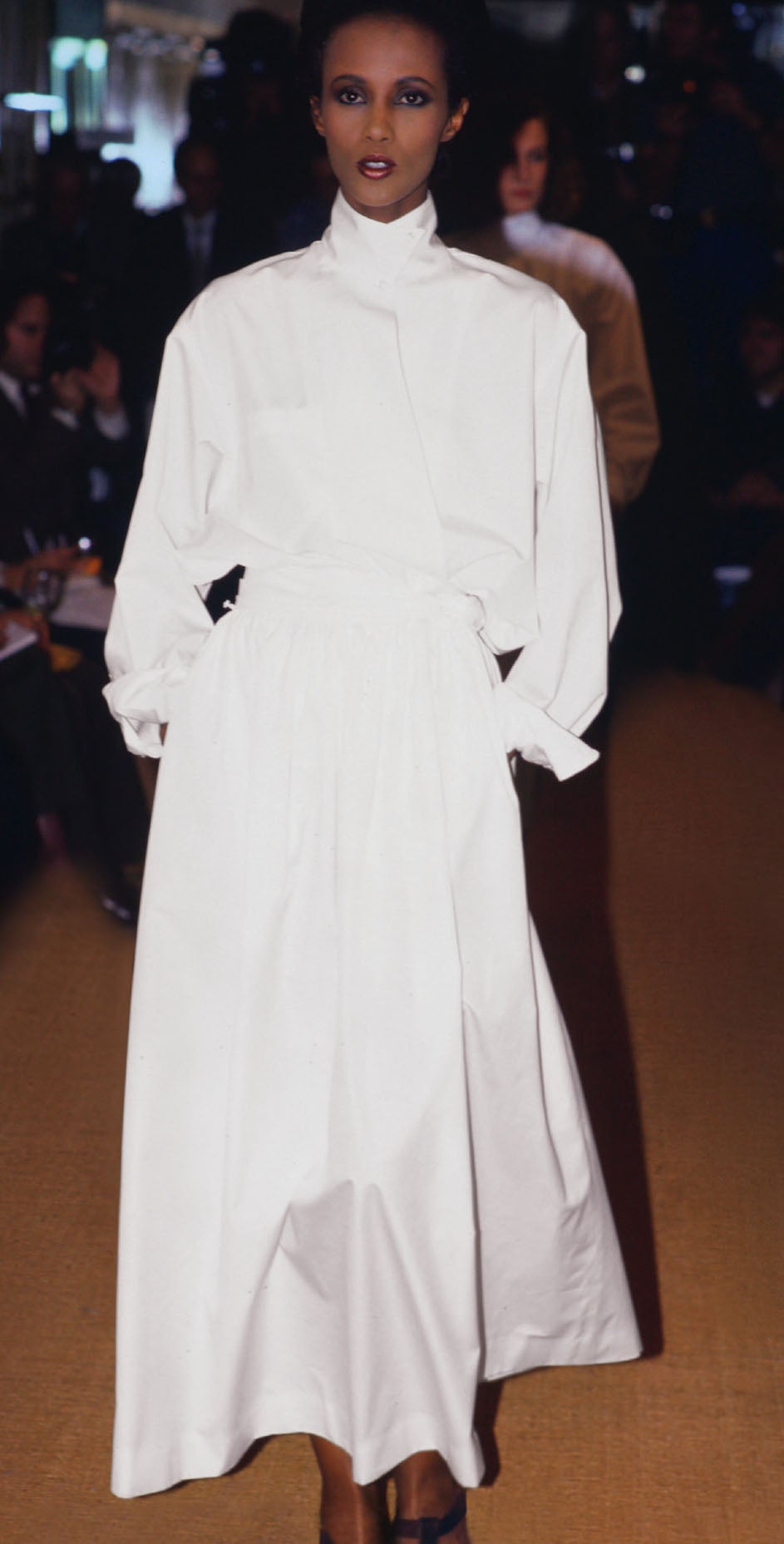
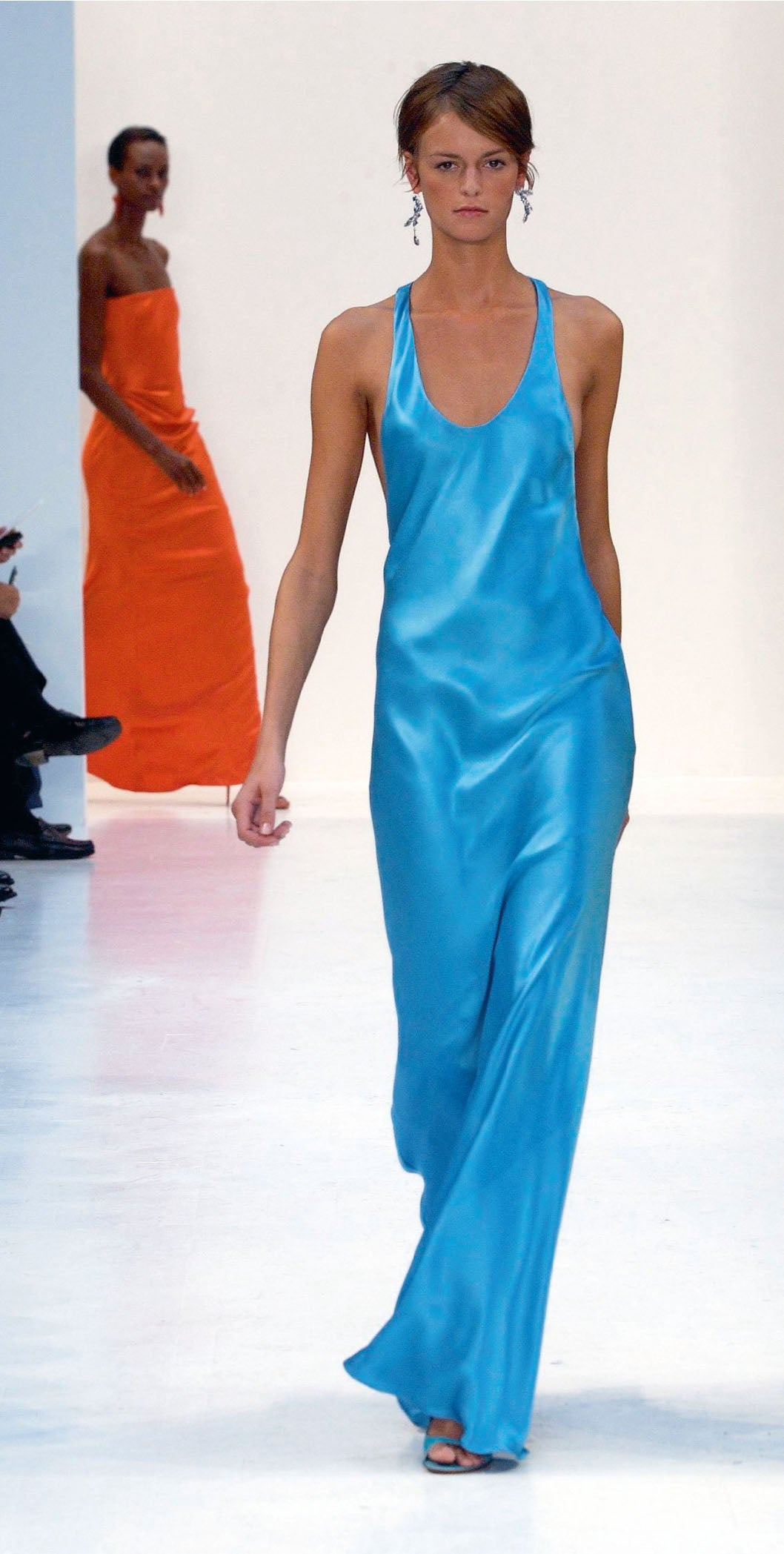
Flipping through the pages of his extensive book—a collection of enduring creations—reveals a montage of styles that remain relevant today, such as the classic white shirt dress from spring/summer 85, monochromatic tailoring with a Hollywood flair from fall/winter 95-96, or the sweeping, vibrant dresses from spring/summer 2004.
See also: The Royal Family’s Secret Weapon? Fashion
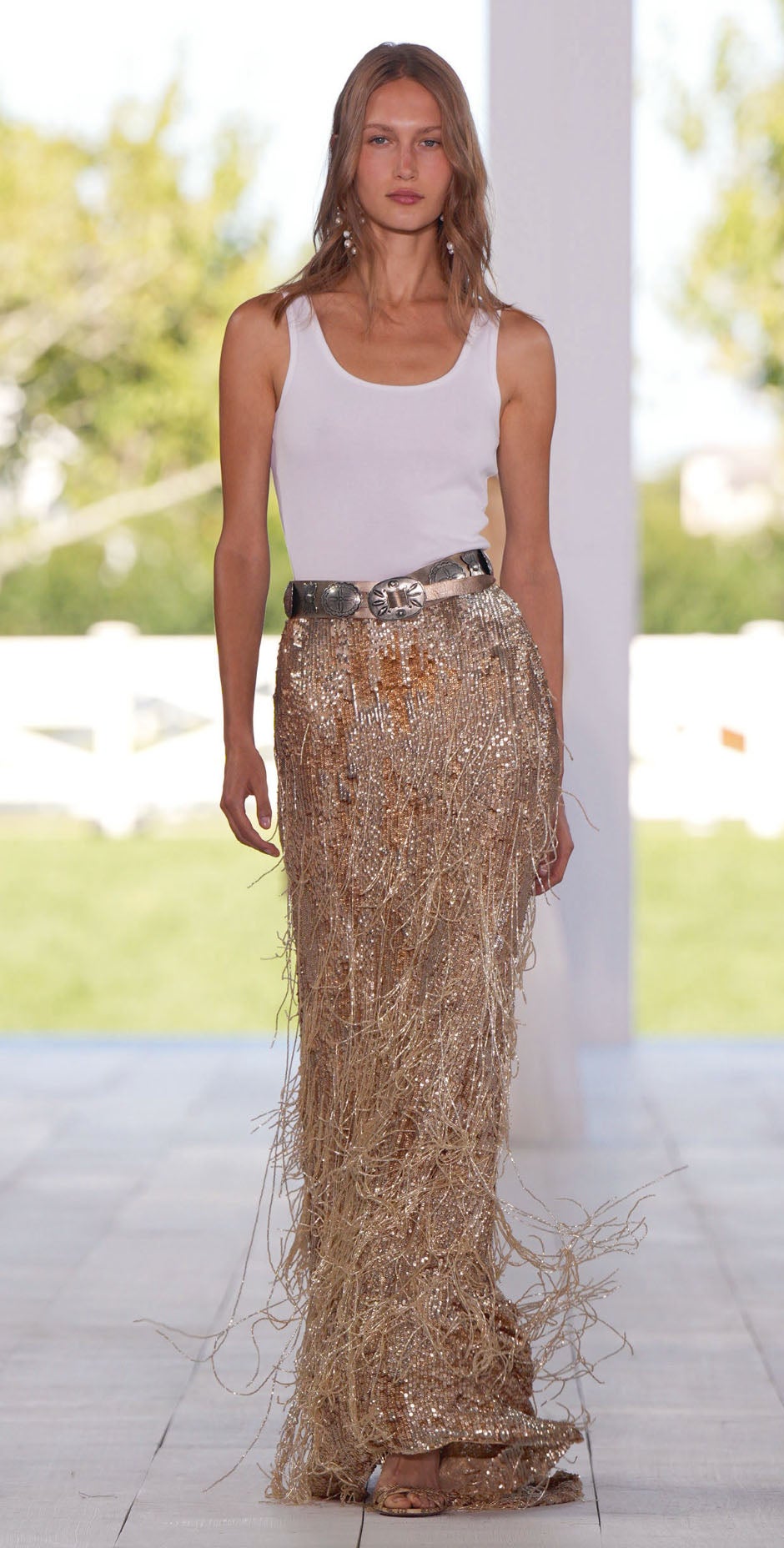
Even in current collections, he continues to impress. This season showcases striking combinations, like a simple white vest contrasted with a lavishly beaded skirt, or a strikingly colorful take on preppy attire. Upcoming collections feature audacious pairings, such as a ruffled white jabot collar countered by a black bomber jacket, or a cream satin gown juxtaposed with a rugged belt, each element a nod to his lasting genius.
As Lauren himself expressed, “I had the vision. I had the girl. I had the guy. I knew what they looked like.” Today, those ideals have materialized, reflecting a collective identity that resonates across the globe.