Traditionally, cocktail attire has adhered to a set of expectations. Men typically don tailored suits and polished shoes, while women have gravitated toward dresses that bridge daytime sophistication and black-tie elegance. However, these rules appear to be evolving, especially for women.
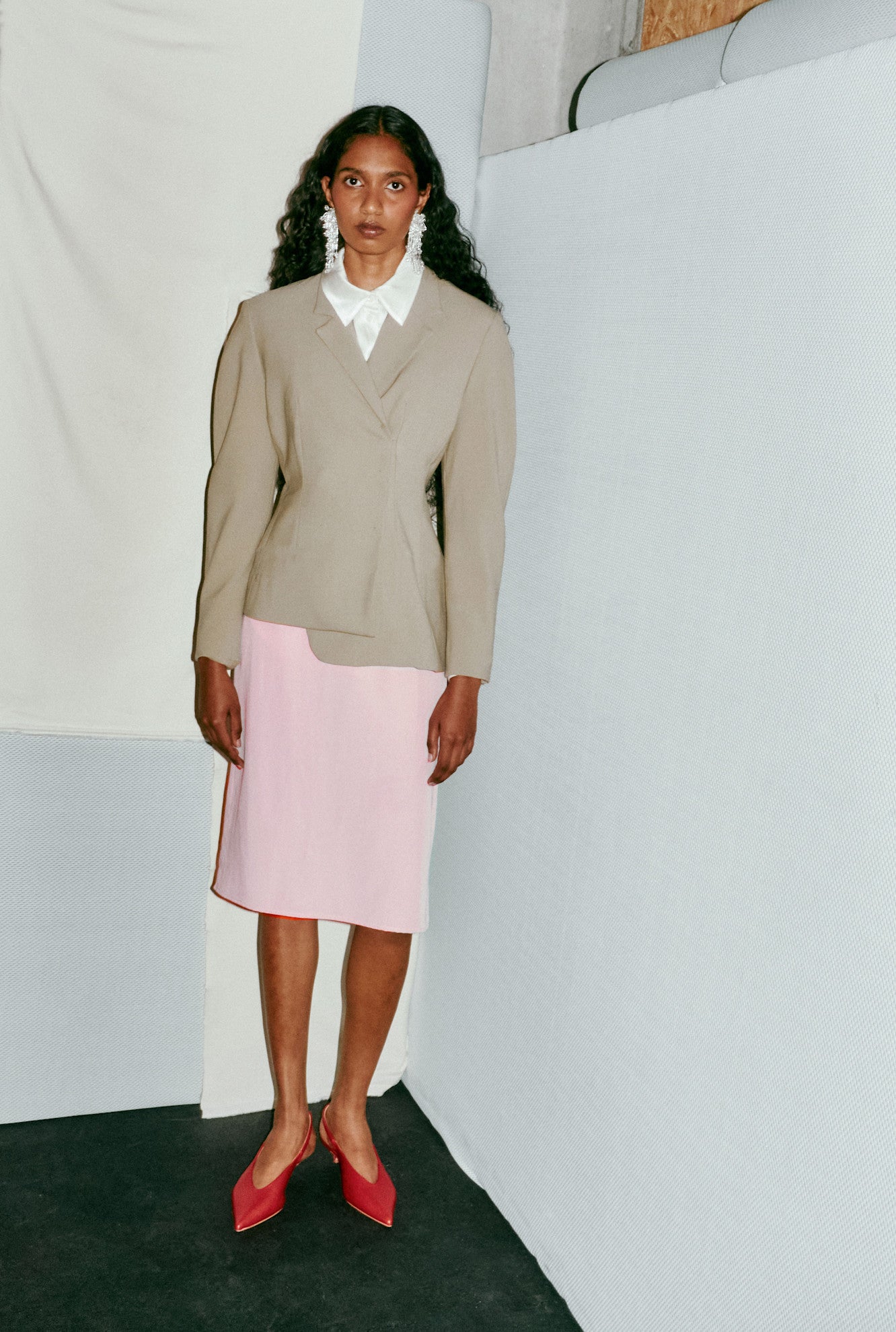
Where once midi dresses and high heels dominated, modern cocktail events frequently showcase well-tailored tuxedos, oversized blazers, and sharply cut trousers. This shift draws from the menswear domain, reflecting a broader trend toward androgynous fashion.
As women’s clothing increasingly embraces this blend of styles, the question arises: does a finely tailored suit hold the same weight as an elegant evening dress? Or are there certain dress codes that should remain unchanged? To explore this, two fashion figures with differing views were consulted.
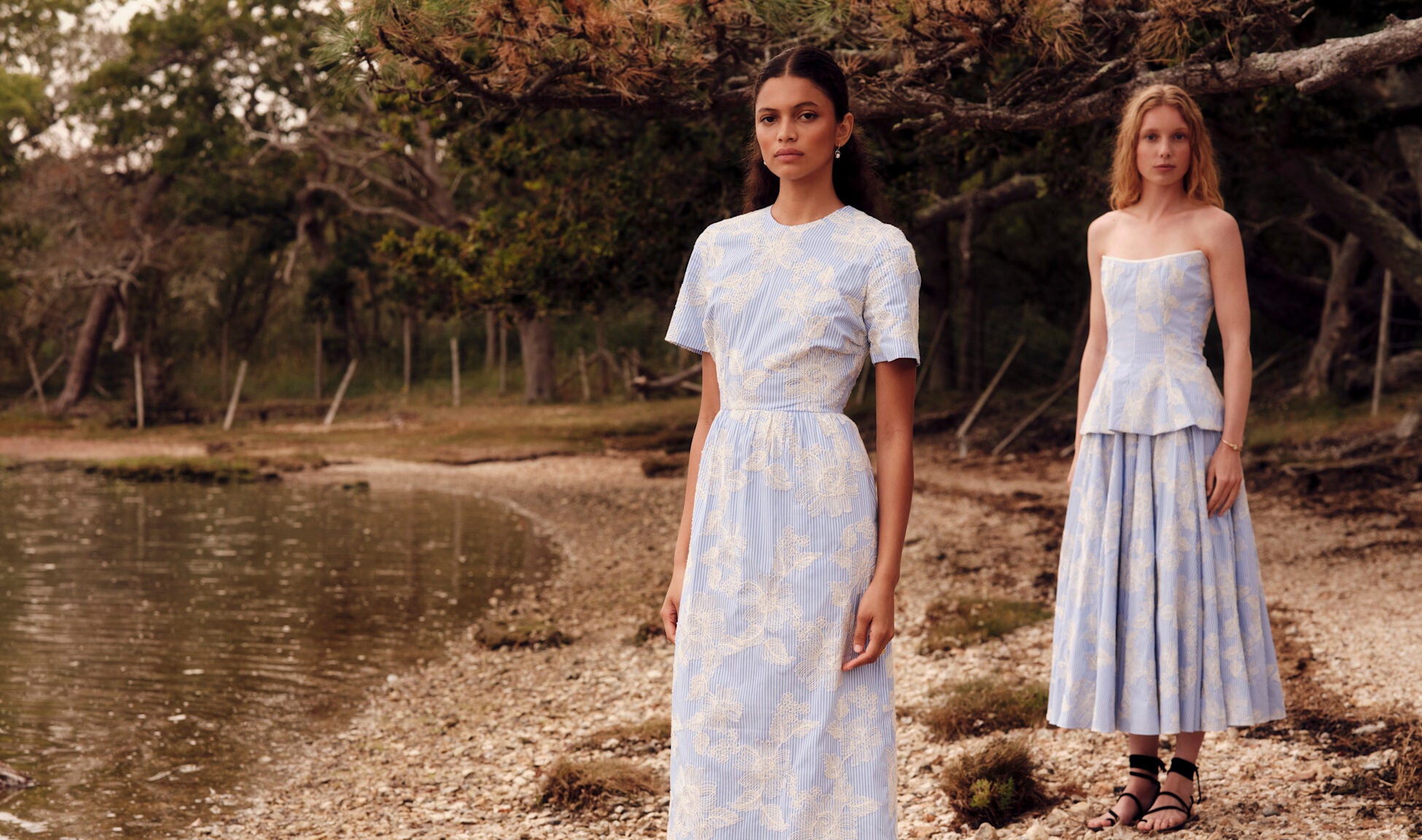
©Spotlight
For Androgynous Dressing
Alice Temperley, fashion designer
Temperley advocates for androgynous styles in cocktail environments, emphasizing that it leans on refined tailoring instead of explicit gender signals. A suit with precise tailoring, whether featuring sharp shoulders or tapered legs, can easily transition to evening wear through the use of elevated materials like velvet, silk blends, or satin lapels.
Her passion for suits began during her studies, leading her to curate a collection. The velvet three-piece clove suit remains a favorite, illustrating a versatility that allows individuals to build wardrobes largely composed of such styles over traditional dresses.
The concept of androgyny is fluid. Accessories like ties serve as styling tools that can enhance a refined look, while open collars and understated jewelry can lend a softer touch. This dressing style signals individuality and confidence, often appearing more modern than conventional cocktail attire.
Against Androgynous Dressing
Serena Crawley, fashion stylist
Crawley contends that while androgynous looks can transition easily from work to social settings, cocktail dresses communicate an entirely different festive quality. The dress code is intended to allow personal expression through party attire, differentiating it from more formal evening wear.
Options range from extravagant to minimalist. Bold, colorful materials can enhance a festive atmosphere, providing opportunities to explore textures and designs from brands like Staud, Cecilie Bahnsen, or Dries Van Noten.
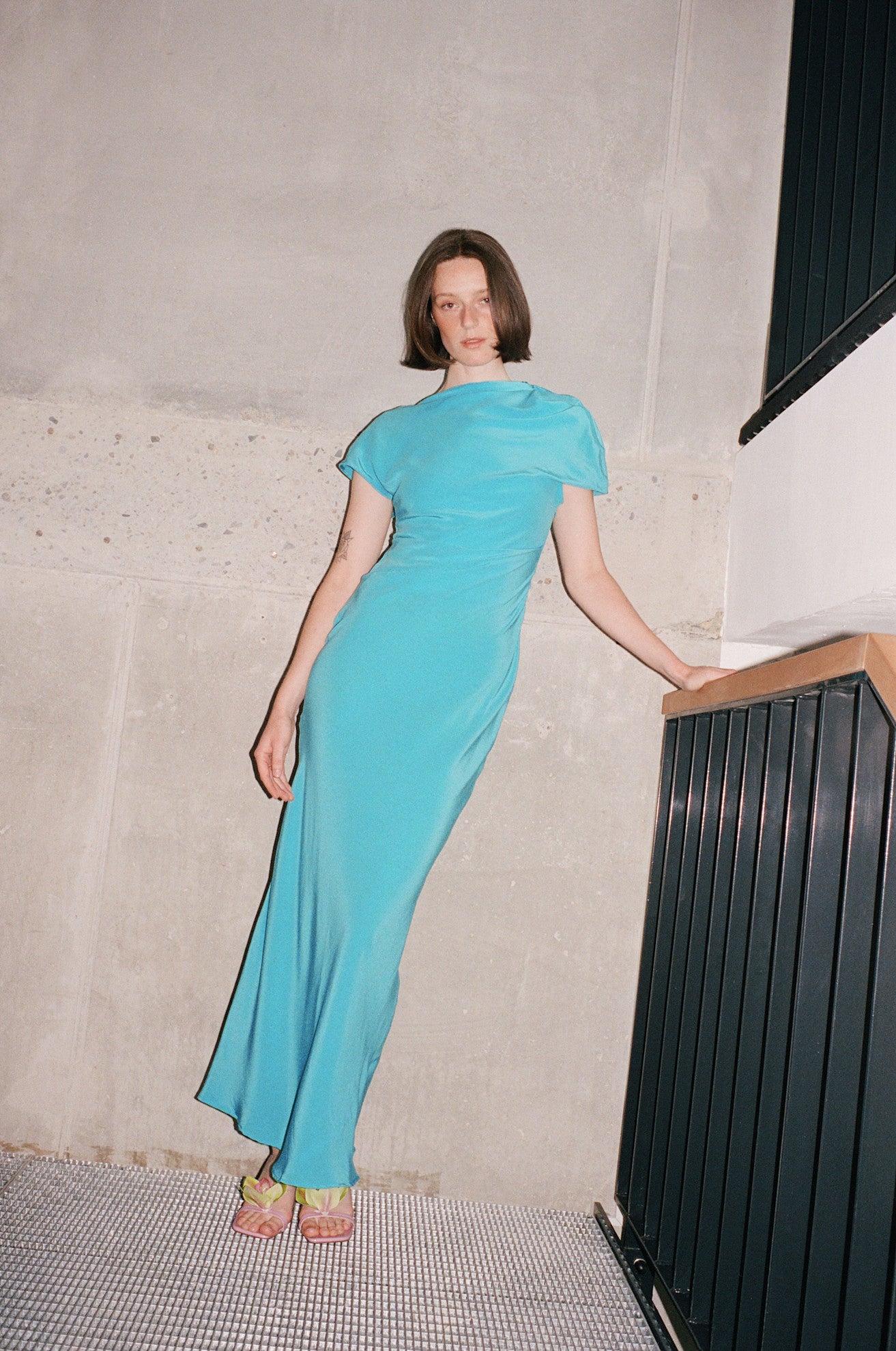
Alternatively, a sleek ’90s satin slip dress exemplifies the current trend for minimalist designs, blending elegance with simplicity and maintaining an upbeat party vibe.